Very Short Question Answers: Air Around us

Q1: We can see air around us. True/False.
Ans: False
Q2: We cannot see air but can ___________________ it.
Ans: Feel
Q3: Why pages of an open book begin fluttering when the fan is switched on?
Ans: Because of air
Q4: Moving air helps in flying kite. True/ False
Ans: True
Q5: When does winnowing is more effective?
Ans: In presence of air
Q6: Which of the two can uproot trees and blow off the roof tops, air or storm?
Ans: Storm
Q7: State two properties of air.
Ans: Air has weight and it occupies space.
Q8: What is air made up of?
Ans: Gases
Q9: The presence of water vapour in air is important for:
a. Combustion
b. Water cycle
c. Air pollution
d. All of these
Ans: Water cycle
Q10: Air has
a. Oxygen
b. Carbon dioxide
c. Nitrogen
d. All of these
Ans: All of these
Q11: Air is the ____________________ of gases.
Ans: Mixture
Q12: Define atmosphere.
Ans: Atmosphere is a thick layer of air surrounding the earth.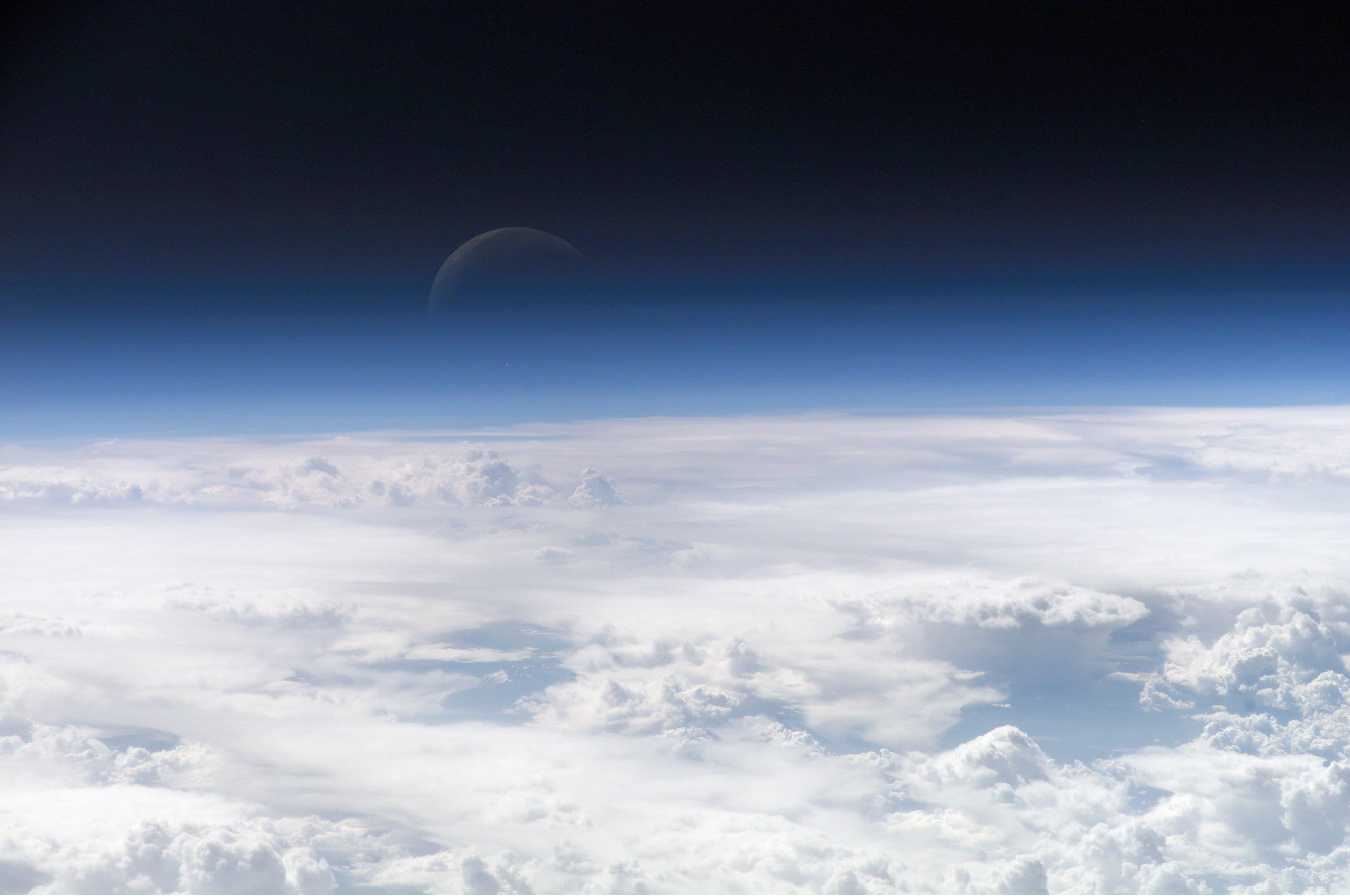
Q13: Air occupies______________ and has________________.
Ans: Space and has weight
Q14: Name the gas which forms the major part of air.
Ans: Nitrogen
Q15: Nitrogen supports burning of a candle. True/ False.
Ans: False
Q16: Animals consume oxygen for ___________________ and produce carbon dioxide.
Ans: Breathing
Q17: Dust particles are always present in air. True/ False.
Ans: True
Q18: Ram is breathing with his mouth, is it right? If no why?
Ans : No, because dust particles may enter into his body.
Q19: Have you ever seen tiny shining particles in the beam of sunlight, what are these particles?
Ans: Dust particles
Q20: Fine hair and ______________ present inside our nose prevents the entry of dust particles into our respiratory system.
Ans : Mucus
Q21: Name the gases present in atmosphere.
Ans: Nitrogen, oxygen, carbon dioxide, water vapour, dust particles and other gases.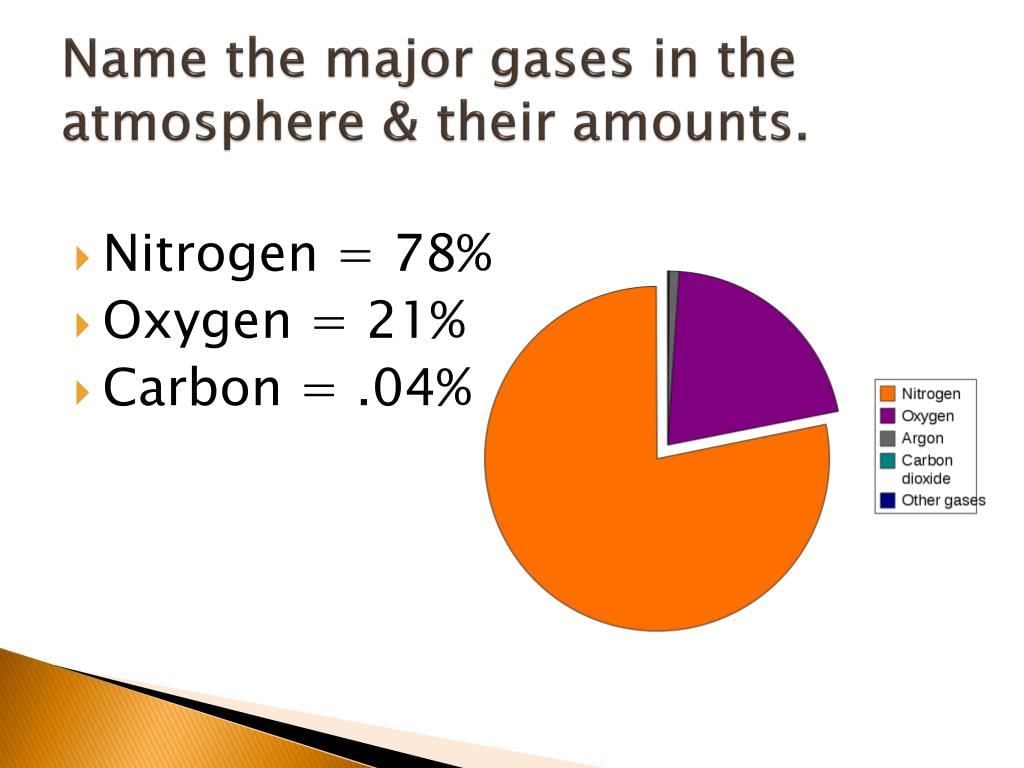
Q22: What is the percentage of oxygen in the air?
Ans: 21%
Q23: What is the percentage of nitrogen in the air?
Ans: 78%
Q24: Which of the two gases are present in higher amount in the atmosphere oxygen or carbon dioxide gas?
Ans: Oxygen
Q25: A person is facing breathing difficulty, he will use
a. Oxygen mask
b. Water mask
c. Pollution mask
d. None of these
Ans: Oxygen mask
Q26: Name the component of air used by plants to make their food.
Ans: Carbon dioxide gas
Q27: The layer of air around the earth is known as______________________.
Ans: Atmosphere
Q28: How does an earthworm breathe?
Ans: Through air present in soil.
Q29: Name the food manufacturing process of plants.
Ans: Photosynthesis
Q30: The ____________________is used to draw water from tubewells and to run flourmills.
Ans: Air
FAQs on Very Short Question Answers: Air Around us
| 1. What is the composition of the air around us? |  |
| 2. How does air help in the breathing process? | |
| 3. What is the importance of air in the environment? | |
| 4. How does air pollution affect our health? | |
| 5. How can we contribute to reducing air pollution? | |





