Worksheet Solutions: A Beautiful Cloth - 1 | EVS for Class 3 PDF Download

Q1: Multiple Choice Questions (MCQs).
(i) ____ is a synthetic cloth.
(a) Cotton
(b) Nylon
(c) Wool
(d) Silk
Ans: (b)
(ii) A way in which dupatta cannot be worn is
(a) T-shirt
(b) Dhoti
(c) Turban
(d) Saree
Ans: (a)
A duptatta cannot be worn as a T-shirt.
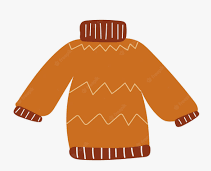
(iii) Grandmother’s make pullovers (sweaters) at home by_______wool.
(a) Stitching
(b) Punting
(c) Cutting
(d) Knitting
Ans: (d)
Pullovers (sweaters) are made by knitting wool.
(iv) To weave papers we cut along horizontal lines on one paper and along _______lines on the second paper.
(a) Slant
(b) Straight
(c) Vertical
(d) Triangular
Ans: (c)
(v) Which of the following clothes is suitable for summers?
(a) Blazer
(b) Shorts
(c) Jacket
(d) Woolen cap
Ans: (b)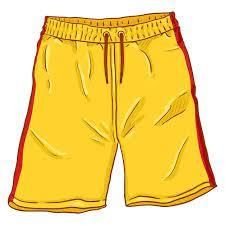
Q2: True or False.
(i) We wear cotton clothes in winters.Ans: It is false because cotton clothes are worn in summers.
(ii) We get silk from spiders.
Ans: The given statement is false as we get silk from silkworms.
(iii) A dupatta can be worn as a dhoti.
Ans: The given statement is true.
(iv) We wear woolen clothes in winter.
Ans: The given statement is true.
(v) We get cotton from animals.
Ans: The given statement is false as we get cotton from plants.
Q3: Answer the following Questions.
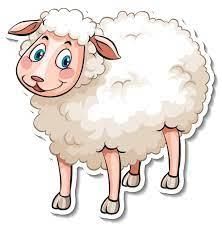
(i) Which animal gives wool?Ans: Sheep
(ii) Make prints of different vegetables on a cloth.
Ans:
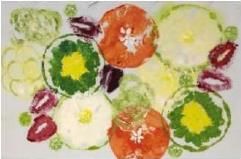
(iii) What did Sajida’s sister give her?
Ans: Sajida's sister gave her a dupatta.
(iv) Which vegetable was used in the picture to print on the cloth?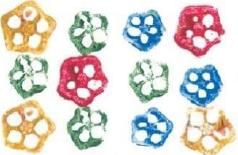 Ans: A ladyfinger
(v) What was special about the dupatta that Sijda got?
Ans: It had beautiful embroidery and small minors stuck on it.
(vi) Name two winter clothes?
Ans: Pullover and muffler are two winter clothes.
(vii) When did Sijda try to wear dupatta in different ways?
Ans: She tried to wear dupatta in different style after dinner.
(viii) From where do we get silk?
Ans: We get silk from silkworms.
(ix) How can we make a dupatta?
Ans: We can make a dupatta by weaving or with machines.
(x) What kind of clothes do we wear in winters?
Ans: We wear woolen clothes in winters.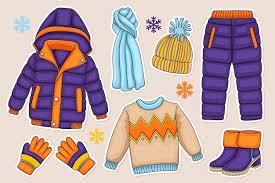
|
45 videos|182 docs|48 tests
|
FAQs on Worksheet Solutions: A Beautiful Cloth - 1 - EVS for Class 3
| 1. What is the meaning of the term "A Beautiful Cloth"? |  |
| 2. Where can I find a beautiful cloth for purchase? | |
| 3. How can I take care of a beautiful cloth to maintain its beauty? | |
| 4. Can a beautiful cloth be used for upholstery purposes? | |
| 5. How can I incorporate a beautiful cloth into my home decor? | |




mock tests for examination
,Extra Questions
,Worksheet Solutions: A Beautiful Cloth - 1 | EVS for Class 3
,Exam
,Free
,Worksheet Solutions: A Beautiful Cloth - 1 | EVS for Class 3
,shortcuts and tricks
,ppt
,MCQs
,practice quizzes
,Worksheet Solutions: A Beautiful Cloth - 1 | EVS for Class 3
,Summary
,Semester Notes
,Previous Year Questions with Solutions
,video lectures
,Sample Paper
,Objective type Questions
,Important questions
,Viva Questions
,past year papers
,study material
;



Worksheet Solutions: A Beautiful Cloth - 1 Free PDF Download
Importance of Worksheet Solutions: A Beautiful Cloth - 1
Worksheet Solutions: A Beautiful Cloth - 1 Notes
Worksheet Solutions: A Beautiful Cloth - 1 Class 3 Questions
Study Worksheet Solutions: A Beautiful Cloth - 1 on the App
|
© EduRev
|
Education Revolution
|


|




within 7 days!