Environment, Ecology and Climate Change – Current Affairs (January 2026)


GS3/Environment
Environmental Protection Fund Rules
 Why in News?
The Union government has recently established comprehensive rules for the utilization of the Environmental (Protection) Fund, which is sourced from penalties levied under significant environmental legislation.
Key Takeaways
- The fund aims to reinvest penalties from environmental law violations into restorative initiatives.
- It is established under the Jan Vishwas Act, 2023, which decriminalizes minor environmental offenses while maintaining financial penalties.
- Clear guidelines have been provided for the fund's management and usage.
- 75% of collected penalties will be allocated to state governments, while 25% will support national environmental projects.
- The fund emphasizes accountability through audits by the Comptroller and Auditor General of India (CAG).
Additional Details
- Background of the Environmental (Protection) Fund: This fund was established to ensure that penalties imposed for environmental violations are redirected towards activities focused on environmental restoration, pollution control, and sustainability efforts.
- Objectives: The fund seeks to strengthen pollution control, support the remediation of contaminated sites, promote clean technologies, and enhance the capacity of regulatory bodies.
- Permitted Areas of Fund Utilisation: The rules identify 11 categories for fund use, including pollution prevention, environmental site restoration, and research in clean technologies.
- Administrative Structure: The Union Ministry of Environment, Forest and Climate Change will oversee the fund's administration, with Project Management Units (PMUs) established at both central and state levels for coordinated implementation.
- Accountability Mechanisms: The CAG is tasked with auditing the fund regularly, ensuring transparency and preventing misuse of funds.
The introduction of these rules represents a significant transformation in India's environmental regulatory framework, reinforcing the idea that penalties will lead to corrective actions rather than merely serving as punitive measures. This initiative is crucial for addressing ongoing environmental challenges in India and promoting sustainable development.
GS3/Environment and Ecology
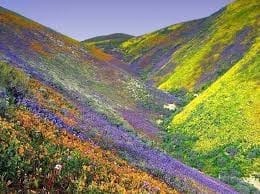
Valley of Flowers National Park
Why in News?
Uttarakhand has sought the Indian Air Force's (IAF) help to douse a forest fire raging in the Valley of Flowers National Park.
- Location and Status: Valley of Flowers National Park is located in the Western Himalayas, in the Chamoli district of Uttarakhand, India. It was declared a National Park in 1982 and recognized as a UNESCO World Heritage Site in 2005. The park is part of the Nanda Devi Biosphere Reserve, one of the two core zones of this reserve. The Pushpawati River flows through the park, adding to its scenic beauty and ecological significance.
- Discovery and Global Recognition: The park was introduced to the world after its discovery in 1931 by British mountaineer Frank S. Smythe. He brought further attention to the area through his book "Valley of Flowers," published in 1938, which detailed the park's stunning natural beauty and diverse flora.
- Ecological Significance: Valley of Flowers is known for its pristine alpine ecosystem, situated at an altitude between 3,000 and 5,000 meters in the western Himalayas. This ecosystem is preserved by natural glacial barriers. The park lies in a transition zone between the Zanskar and Greater Himalayan ranges, contributing to its unique biodiversity. It is famous for its alpine meadows, rare plant species, and diverse animal life.
- Biodiversity:
- Flora: The park is home to over 500 species of endemic and alpine flowers. Notable species include the Brahma Kamal (the state flower of Uttarakhand), the blue Himalayan poppy, and various medicinal plants. These flowers bloom in vibrant colors, creating a breathtaking landscape during the flowering season.
- Fauna: Valley of Flowers hosts several rare and endangered animal species, including the snow leopard, Asiatic black bear, musk deer, brown bear, and the Himalayan monal bird. These animals are adapted to the harsh alpine conditions and contribute to the park's ecological balance.
- Cultural Significance: The park is culturally significant as it is associated with the Bhotia tribe, who practice transhumance. This involves seasonal migration between high-altitude summer pastures, known locally as Bugyals, and lower-altitude winter settlements. The Bhotia people's traditional practices are an integral part of the park's cultural heritage.
GS3/Environment
Karuna Abhiyan 2026
 Why in News?
The Chief Minister of Gujarat, Bhupendra Patel, recently visited the Wildlife Care Centre located in Bodakdev, Ahmedabad. The visit was part of a review of the rescue and treatment operations under Karuna Abhiyan, a statewide initiative aimed at rescuing birds that have been injured by kite strings during the Uttarayan festival.
Key Takeaways
- Karuna Abhiyan: A compassionate wildlife rescue campaign launched in 2017.
- Focuses on rescuing, treating, rehabilitating, and releasing birds and animals injured during festivals.
- It is the first state-driven initiative of its kind in India.
Additional Details
- Implementing Departments: The program is carried out by the Forest Department, Animal Husbandry Department, municipal bodies, as well as voluntary organizations and NGOs.
- Special Features:
- A dedicated Water Birds Unit for specialized avian care.
- 24/7 WhatsApp helpline: By sending "Hi" to 8320002000, users can receive district-wise treatment center details.
- Emergency helpline:1926
- Animal Husbandry helpline:1962
This initiative is vital as it addresses the key issue of wildlife injuries during festive seasons, ensuring that injured birds and animals receive timely care and rehabilitation.
In the context of environmental conservation, every year a month-long ecologically significant campaign is held, during which certain communities and tribes engage in planting saplings of fruit-bearing trees. The following communities/tribes are involved in this initiative:
- (a) Bhutia and Lepcha
- (b) Gond and Korku
- (c) Irula and Toda
- (d) Sahariya and Agariya
GS3/Environment and Ecology
Galaxy Frogs
Why is it Newsworthy?
A recent study has found that seven rare Galaxy Frogs are missing and are presumed dead. The main reasons for this decline are unethical wildlife photography and the increase in photo tourism in the Western Ghats.
About Galaxy Frog
- Scientific Name: Melanobatrachus indicus
- Description: The Galaxy Frog is a rare amphibian with distinctive shiny black skin adorned with blue speckles and orange markings, giving it the appearance of a starry galaxy.
- Habitat: This species is found exclusively under decaying logs in cool, moist forest areas. It is endemic to the wet evergreen forests of the southern Western Ghats, specifically in Kerala and Tamil Nadu.
- Conservation Significance: Galaxy Frogs have been designated as the flagship species of Mathikettan Shola National Park in Idukki, Kerala, highlighting their importance in the ecosystem.
- Physical Characteristics: Measuring only 2 to 3.5 centimeters in length, these frogs are non-vocal and cold-blooded. They breathe partially through their moist skin, making them highly vulnerable to heat, drying out, and disturbances in their environment.
- Conservation Status: The International Union for Conservation of Nature (IUCN) lists the Galaxy Frog as Vulnerable. Their low population density and restricted habitat contribute to their risk of extinction.
GS3/Environment
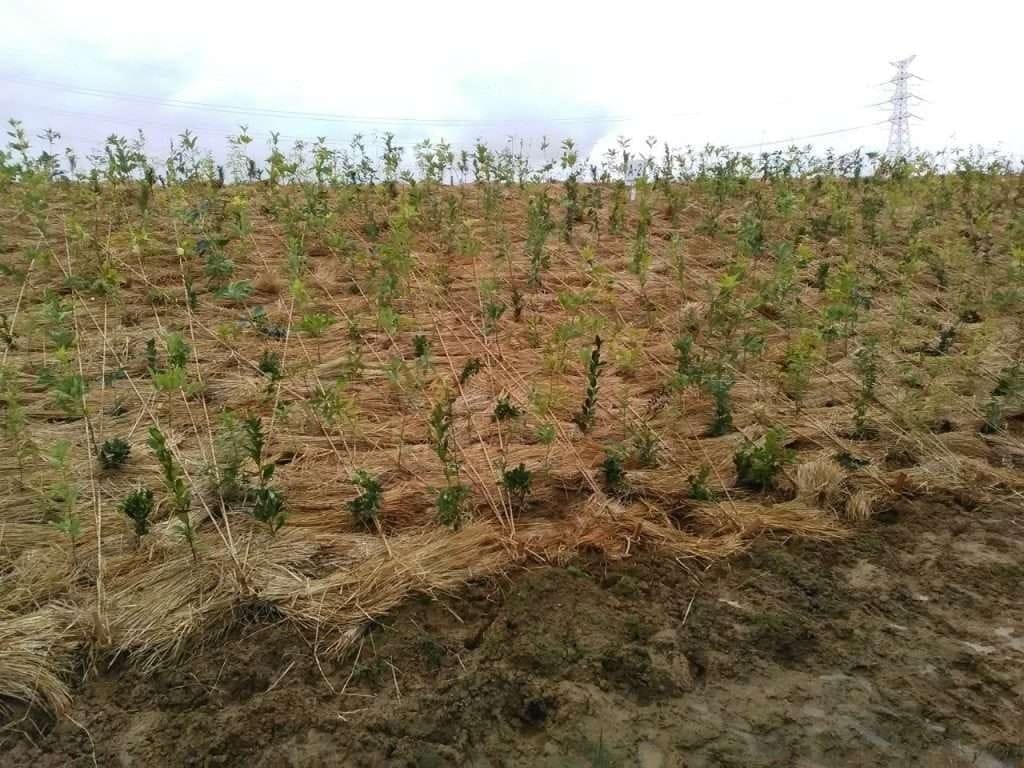
Miyawaki Method
 Why in News?
Urban areas are increasingly facing challenges such as heat, flooding, and drought due to hard surfaces. This has led to a renewed interest in the Miyawaki method as an effective strategy for urban afforestation and ecological restoration.
Key Takeaways
- The Miyawaki method was developed by Japanese botanist Akira Miyawaki in the 1970s.
- This technique allows for the creation of dense forests in small urban spaces.
- It promotes the use of native plant species to enhance ecosystem resilience.
Additional Details
- Development: The Miyawaki method was pioneered by Akira Miyawaki, focusing on maximizing biodiversity in urban settings.
- Nature of the Method: Often called the 'pot plantation method,' this approach involves closely planting trees and shrubs, which accelerates their growth due to competition for sunlight.
- Growth Benefits: Trees planted using this method tend to grow vertically rather than laterally, creating a denser canopy similar to that of primordial forests.
- Ecological Significance: By planting local species, this method fosters a naturally balanced ecosystem, improving soil quality and enhancing biodiversity.
- Self-sustaining Forests: Initially requiring regular care for two to three years, these forests eventually sustain themselves with minimal intervention.
- Urban Transformation: This method has successfully converted polluted and barren lands into thriving green ecosystems, managing industrial waste and curbing pollution.
In summary, the Miyawaki method presents a practical solution to urban environmental challenges, promoting ecological restoration and enhancing urban biodiversity.
GS3/Environment
Water Bankruptcy and Global Agriculture
 Why in News?
A recent report from the United Nations titled Global Water Bankruptcy: Living Beyond Our Hydrological Means in the Post Crisis Era, released by the United Nations University Institute for Water, Environment and Health on 20 January 2026, indicates that the world is now facing a state of global water bankruptcy, which poses significant threats to agriculture and food security.
Key Takeaways
- Long-term water use has exceeded renewable water inflows, resulting in safe depletion limits being breached.
- Agriculture is now functioning beyond the boundaries of hydrological sustainability, indicating a permanent crisis rather than a temporary one.
- Various water bodies, including rivers, lakes, aquifers, wetlands, soils, and glaciers are damaged beyond feasible recovery.
Additional Details
- Agriculture and Water Use: Approximately 70 percent of global freshwater withdrawals are allocated for agricultural purposes.
- Scale of Exposure: Around 3 billion people reside in regions with declining or unstable water storage. More than half of global food production is concentrated in areas under water stress.
- Irrigated Cropland Stress: About 170 million hectares of irrigated agriculture face high or very high water stress.
- Land and Soil Degradation: Over 50 percent of the world's agricultural land is experiencing moderate to severe degradation.
- Global Salinisation: Affects 82 million hectares of rainfed and 24 million hectares of irrigated cropland, accelerating desertification and diminishing soil moisture retention.
This report emphasizes the urgent need for sustainable water management practices to ensure food security and ecological viability. Addressing water bankruptcy is crucial for the future of global agriculture and the well-being of billions of people.
GS3/Environment
Weeds: The Silent Threat Undermining Mustard Yields
 Why in News?
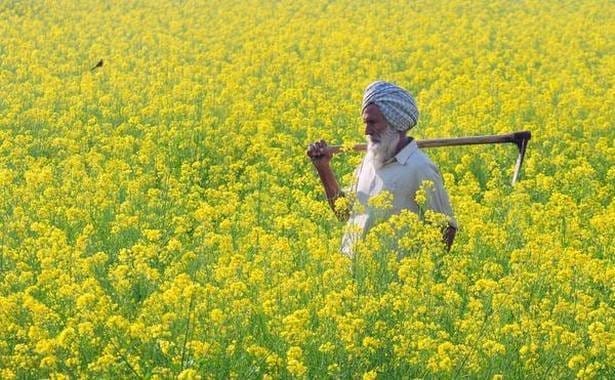
Mustard serves as India's largest indigenous source of edible oil, cultivated across nearly nine million hectares, mainly in Rajasthan, Uttar Pradesh, Madhya Pradesh, Haryana, and West Bengal. However, this vital crop faces a significant threat from Orobanche aegyptiaca, a parasitic weed that attaches to mustard roots, extracting water and nutrients, which ultimately leads to poor plant growth and reduced seed yields.
Key Takeaways
- The parasitic weed Orobanche causes severe damage to mustard crops by siphoning off essential nutrients.
- Farmers are experiencing sharp declines in yields, prompting a shift away from mustard cultivation.
- Efforts to control Orobanche with herbicides have largely been ineffective.
Additional Details
- Impact of Orobanche: This weed attaches to the roots of mustard plants and extracts vital resources, leading to symptoms such as wilting, yellowing, and stunted growth, which result in significant declines in seed yields.
- Farmers' Experience: In Haryana's Sirsa district, yields have plummeted from 9-12 quintals per acre to around 6 quintals per acre, even with adherence to recommended control measures.
- Seed Viability: Each Orobanche plant can produce thousands of seeds that remain viable in the soil for up to 20 years, making fields with a history of mustard planting particularly susceptible.
- Importance of Mustard: Mustard is crucial for India's edible oil production, contributing over 4 million tonnes of the 10.5-10.6 million tonnes produced annually, and is central to reducing dependence on edible oil imports.
- Rising Import Costs: India imports nearly 16 million tonnes of edible oils each year, costing approximately 15.9billionin2023-24and18.3 billion in 2024-25.
- Challenges from Pests and Diseases: Mustard crops are also increasingly vulnerable to pests like aphids and various fungal diseases, complicating efforts to maintain productivity.
- Changing Threat Patterns: Farmers notice that Orobanche infestations are appearing earlier in the crop cycle and in more fertile soils, indicating an escalating threat to mustard yields.
To combat Orobanche, farmers are exploring the use of herbicide-resistant mustard varieties. New hybrids, such as Pioneer-45S42CL, have shown promise in tolerating specific herbicides like imazapyr and imazapic, allowing for targeted control of Orobanche without harming the mustard crop. Research also includes developing GM mustard lines resistant to glyphosate, offering additional options to manage this growing threat. Policymakers face a critical decision regarding the approval of GM crops, with a focus on scientific and economic considerations rather than ideology.
GS3/Environment
Supreme Court's 'Green Governance': Balancing Environmental Protection and Regulatory Uncertainty
 Why in News?
The Supreme Court of India has increasingly transitioned from merely reviewing environmental decisions to taking proactive managerial actions over the past decade. This shift, often prompted by regulatory shortcomings, has positioned the Court in the role of an administrator. While this approach aims to enhance environmental protection, it has also led to significant uncertainty, inconsistency, and governance challenges.
Key Takeaways
- The Court's evolving role exhibits a tension between its constitutional duty to safeguard the environment and the challenges of implementing policy effectively.
- By stepping in as regulators, the Court risks undermining the stability and predictability essential for effective governance.
Additional Details
- Judicial Overreach: The Supreme Court has issued broad directives, such as uniform Eco-Sensitive Zones (ESZs) and bans on diesel vehicles, which have been modified frequently, causing policy instability.
- Expertise Dilemma: The Court's reliance on expert committees has been inconsistent, leading to rapid changes in adopted recommendations.
- Chilling Effect on Participation: The Court's early involvement in approval processes can deter public challenges and limit the evidentiary space for contestation.
- Impact on Rule of Law: An unpredictable judicial governance framework can weaken institutional accountability and clarity.
- Environmental Outcomes: Regulatory uncertainty can hinder effective environmental protection, leading to delays in necessary actions.
In conclusion, while the Supreme Court's environmental activism has addressed critical governance vacuums, its managerial role has introduced uncertainty and instability. Sustainable environmental protection necessitates robust, accountable regulators who operate within clear legal boundaries, rather than continuous judicial oversight.
GS3/Environment
Thanthai Periyar Wildlife Sanctuary
 Why in News?
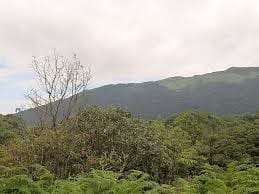
The initial phase of the All-India Tiger Estimation-2026 (AITE-26) has recently begun in the Thanthai Periyar Wildlife Sanctuary, which is situated within the Erode Forest Division.
Key Takeaways
- Location: The sanctuary is located in the Bargur Hills of Erode district, Tamil Nadu, at the convergence of the Eastern and Western Ghats.
- Status: Designated as the state's 18th wildlife sanctuary on January 30, 2024.
- Area: Encompasses approximately 80,114.80 hectares (around 801 sq km).
- Tiger Corridor: Serves as a crucial tiger corridor connecting Sathyamangalam Tiger Reserve to Male Mahadeshwara Hills Tiger Reserve.
- Connectivity: Part of the Nilgiris Elephant Reserve, it provides a significant habitat for large herbivores, facilitating wildlife movement.
- River: Acts as a catchment area for the Palar River, contributing to local agricultural activities.
- Biodiversity: Hosts a rich variety of flora and fauna, including tigers, leopards, sloth bears, and numerous bird species.
Additional Details
- Wildlife Corridor: The sanctuary is identified as a vital link for tigers, enhancing conservation efforts across the region.
- Forest Types: Features a diverse landscape comprising hills, valleys, forests, and grasslands, which supports a wide range of wildlife.
The Thanthai Periyar Wildlife Sanctuary plays a significant role in conservation efforts, particularly for the protection of tigers and other wildlife in the region. Its strategic location and rich biodiversity make it a crucial area for ecological preservation and wildlife management.
GS3/Environment
The Gadgil Report and the Western Ghats Backlash
 Why in News?
The recent passing of eminent ecologist Madhav Gadgil at the age of 83 in Pune marks a significant moment for environmental conservation in India. One of his most influential contributions was as the chair of the Western Ghats Ecology Expert Panel (WGEEP). Despite the rejection of the panel's report by the government at that time, Gadgil's persistent advocacy for the protection of the delicate Western Ghats from unchecked development has kept the report's recommendations relevant, especially in light of recent ecological disasters in the region.
Key Takeaways
- Madhav Gadgil's legacy is closely tied to the Western Ghats Ecology Expert Panel's findings.
- The Gadgil report continues to influence public discourse on environmental protection in the Western Ghats.
- The region is vital for India's water supply and biodiversity.
Additional Details
- Ecologically Sensitive Area (ESA): The Gadgil panel classified the entire 1,29,037 sq km of the Western Ghats as an ESA, highlighting its ecological vulnerability and the need for protective measures.
- Three-Tier Sensitivity Zoning: The region was categorized into ESZ 1, ESZ 2, and ESZ 3, with increasing restrictions on development activities as ecological sensitivity increased.
- Development Restrictions: The panel's recommendations included bans on genetically modified crops, new special economic zones, and new hill stations in ecologically sensitive zones.
- Western Ghats Ecology Authority (WGEA): A suggested 24-member authority under the Environment Protection Act aimed to oversee and manage activities in the Western Ghats.
Despite the strong opposition from states like Kerala and Maharashtra to the Gadgil report, which they argued would jeopardize local agriculture and livelihoods, the need for ecological governance remains critical. In response to the backlash, a new panel led by K. Kasturirangan proposed a revised approach in 2013, identifying a smaller area of 56,825 sq km as ecologically sensitive, while still advocating for environmental protection measures. The ongoing policy deadlock and continued disagreements highlight the complexities involved in balancing developmental needs with ecological preservation in this vital region.
GS3/Environment
Olive Ridley Sea Turtles
 Why in News?
Ahead of the nesting season for sea turtles, the forest department has ramped up conservation efforts along the Mangaluru coastline by establishing hatcheries to protect these vulnerable creatures.
Key Takeaways
- Olive Ridley sea turtles are the smallest and most numerous species of sea turtles globally.
- They are recognized for their unique mass nesting behavior known as Arribada.
- These turtles inhabit warm waters across the Pacific, Atlantic, and Indian Oceans.
Additional Details
- Nomenclature: The name "Olive Ridley" is derived from the olive green color of their carapace (shell).
- Global Distribution: They primarily inhabit the warm waters of the Pacific, Atlantic, and Indian Oceans.
- Distribution in India: Significant nesting occurs along the Odisha coast, particularly at Gahirmatha, Rushikulya, and Devi River mouth, with solitary nesting also observed in Tamil Nadu, Andhra Pradesh, and the Andaman Islands.
- Largest Rookery: Gahirmatha Marine Sanctuary in Odisha is recognized as the world's largest breeding colony of sea turtles.
- Diet: Olive Ridley turtles are omnivorous, consuming both plant and animal matter.
- Behavior: They are solitary creatures that prefer the open ocean, migrating thousands of kilometers between feeding and mating grounds.
- Conservation Status: According to the IUCN Red List, they are classified as Vulnerable. Under the Wildlife Protection Act of 1972, they are listed in Schedule 1, and they are included in Appendix I of CITES.
The conservation of Olive Ridley sea turtles is crucial due to their vulnerable status and the threats they face from habitat loss and human activities. Ongoing efforts to protect their nesting sites and ensure their survival are essential for maintaining biodiversity in marine ecosystems.
GS3/Environment
India's Progress on Climate Targets: Achievements and Structural Gaps
Why in News?
India's progress on its climate targets is currently under scrutiny due to recent assessments that reveal a significant gap between the reduction of emission intensity and the control of absolute emissions.
Key Takeaways
- India's commitments under the Paris Agreement focus on balancing developmental needs with climate responsibilities.
- While emissions intensity has decreased, absolute emissions remain high, presenting a challenge for future climate goals.
- Renewable energy capacity has expanded significantly, yet actual generation lags behind installed capacity.
- Issues with forest carbon sink definitions and governance complicate progress reporting.
Additional Details
- India's Climate Commitments:At the 2015 Paris Climate Summit, India outlined its climate strategy, committing to:
- Reduce emissions intensity of GDP by 33-35% from 2005 levels by 2030.
- Achieve 40% of non-fossil fuel power capacity by 2030, later enhanced to 50%.
- Install 175 GW of renewable energy capacity by 2022.
- Create an additional carbon sink of 2.5-3 billion tonnes of CO₂ equivalent through forests.
- Progress in Emission Intensity Reduction:By 2020, emissions intensity had decreased by approximately 36% compared to 2005 levels. Contributing factors include:
- Expansion of non-fossil electricity sources like solar, wind, hydro, and nuclear.
- Shift towards less emission-intensive economic sectors such as services and digital industries.
- National efficiency initiatives like the Perform, Achieve and Trade (PAT) scheme and UJALA LED programme.
- Persistently High Absolute Emissions: In 2020, India's territorial emissions were about 2,959 million tonnes of CO₂ equivalent, with ongoing increases highlighting the limitations of intensity-based metrics.
- Renewable Energy Expansion: Non-fossil fuel capacity has increased significantly, but challenges such as grid connectivity and land availability slow down progress, particularly in wind energy.
- Forest Carbon Sink and Governance Challenges: Although India is close to achieving its forest carbon sink target, definitional issues and underutilization of funds complicate the actual progress.
In summary, while India has made significant strides in reducing emissions intensity and expanding renewable energy, the continued rise in absolute emissions and challenges in governance and infrastructure pose serious obstacles to meeting climate commitments effectively.
GS3/Environment
CAQM Report on Delhi Winter Air Pollution
 Why in News?
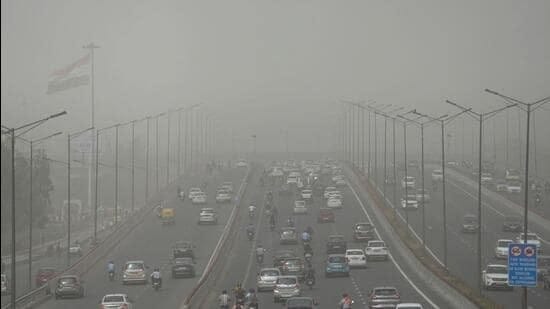
A recent synthesis report published by the Commission for Air Quality Management (CAQM) has identified secondary particulate matter as the primary contributor to winter air pollution in Delhi.
Key Takeaways
- Secondary particulate matter contributes 27% to winter air pollution.
- Transport emissions account for 23% of the pollution levels.
- Biomass burning, including crop residue and waste, contributes 20%.
- Dust from roads and construction sites adds 15%.
- Industrial emissions make up 9% of the total pollution.
Additional Details
- Background: The National Capital Region (NCR) faces severe air pollution during winter due to a mix of meteorological, geographical, and emission-related factors. Conditions like low wind speeds and temperature inversions lead to trapped pollutants, causing persistent smog.
- Secondary Particulate Matter: This type of pollution is formed through chemical reactions involving primary pollutants such as sulphur dioxide (SO₂), nitrogen oxides (NOx), and ammonia (NH₃), rather than being emitted directly. It constitutes 25-60% of PM2.5 levels during winter, posing significant health risks.
- Ammonia's Role: Ammonia, primarily from agricultural activities, reacts with acids from SO₂ and NOx to create ammonium compounds that elevate PM2.5 levels. This highlights the interconnected nature of rural and urban pollution sources.
- Transport and Biomass Burning: High vehicle density and fossil fuel consumption make transport emissions the second-largest contributor. Biomass burning, especially from neighboring states, significantly impacts air quality during peak burning periods.
- Policy Implications: The CAQM report suggests that effective air quality management requires coordinated strategies across various sectors, including agriculture and transportation. It urges the establishment of updated emission inventories and improved forecasting systems for pollution events.
This comprehensive analysis from the CAQM underscores the complexity of Delhi's air pollution issues and the need for a multifaceted approach to mitigate winter pollution effectively.
GS3/Environment
Bhitarkanika National Park
Why in News?
According to the latest census report released by the forest department, Bhitarkanika National Park has experienced an increase in the number of migratory birds visiting the area compared to the previous year.
Key Takeaways
- Bhitarkanika National Park is located in the Kendrapara district of Odisha.
- The park covers an area of 672 sq.km, primarily consisting of mangrove swamps.
- Designated as a Wildlife Sanctuary in 1975 and a Ramsar Site in August 2002.
- It is home to the largest colony of Olive Ridley Sea Turtles in India.
- The area supports a rich biodiversity, including numerous migratory birds.
Additional Details
- Location: Bhitarkanika National Park is situated in the Kendrapara district, Odisha, surrounded by the Bhitarkanika Wildlife Sanctuary.
- Significance: The park represents India's second largest mangrove ecosystem, following the Sunderbans, and is characterized by its unique soil composition due to proximity to the Bay of Bengal.
- Flora: The vegetation primarily consists of mangrove species, casuarinas, and various grasses like the indigo bush.
- Fauna: The park is home to a diverse array of wildlife, including hyenas, wild boar, Chitals, Sambar, and several species of migratory birds, including eight varieties of Kingfishers.
- Uniqueness: The presence of the Bagagahana heronry near Surajpore creek adds to the ecological significance of the park.
In conclusion, Bhitarkanika National Park's rich biodiversity and unique ecological significance make it an important site for conservation efforts and a critical habitat for various species, especially migratory birds.
GS3/Environment
Himalayan Development at the Cost of Ecological Collapse
Why in News?
The Himalayan region has faced significant climate shocks, resulting in over 4,000 climate-related fatalities across India in 2025. Himachal Pradesh and Uttarakhand were severely impacted, experiencing devastating weather events such as cloudbursts, landslides, avalanches, and flash floods in towns like Dharali, Harsil, Uttarkashi, Chamoli, Kullu, Mandi, and Kishtwar. Despite these challenges, large infrastructure projects, especially the Char Dham road-widening initiative, are advancing in areas prone to disasters, indicating a troubling disconnect in policy.
Key Takeaways
- The Himalayas are warming approximately 50% faster than the global average, making them highly sensitive to climate change.
- Development activities like deforestation, slope cutting, and road widening exacerbate ecological instability.
- Devdar forests play a crucial role in maintaining ecological balance and should be protected to prevent further environmental degradation.
Additional Details
- Ecological Importance of Devdar Forests: These forests are essential for slope stabilization, buffering against landslides and avalanches, and regulating water quality in the Ganga headwaters. They also contribute to maintaining a balanced microclimate and supporting beneficial microbial systems through antimicrobial properties.
- Policy Failure in Char Dham Road Project: The project has structural flaws, such as bypassing comprehensive Environmental Impact Assessments and fragmenting the project to evade scrutiny. This has led to significant environmental consequences, including nearly 700 km of road widening and 800+ active landslide zones.
- Climate change acts as a risk multiplier, leading to erratic rainfall and accelerated glacial melt, creating a cycle of catastrophic floods followed by prolonged water scarcity.
In conclusion, the Himalayan region is not merely a frontier for developmental expansion but a vital ecological system that sustains the subcontinent. The continued focus on infrastructure-first policies in disaster-prone areas under the pressure of climate change illustrates failures in scientific, ecological, and governance aspects. Sustainable development in these regions is not only an ideological choice but an ecological necessity.
GS3/Environment
Pygmy Hog
 Why in News?
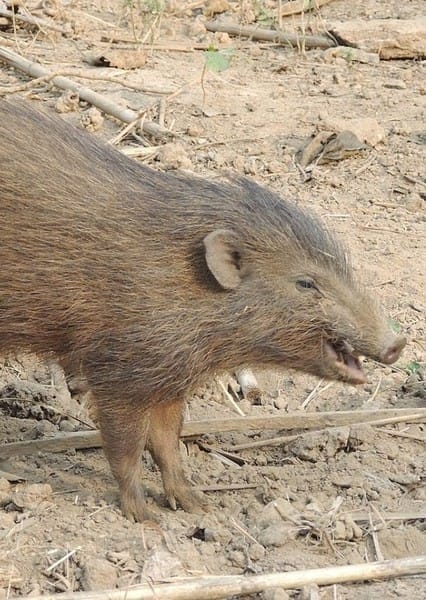
India's Pygmy hog is facing a rapid decline in population due to the loss and degradation of its natural habitat, specifically tall grassland ecosystems. This species plays a vital role in maintaining the overall health of grassland environments.
Key Takeaways
- Smallest and rarest wild pig species globally.
- Unique among mammals for constructing its own nest with a roof.
- Functions as an indicator species, reflecting the health of grassland ecosystems.
Additional Details
- Habitat: Prefers undisturbed tall grasslands interspersed with early-succession riverine vegetation. Its habitat consists of dense tall grasses combined with herbs, shrubs, and young trees.
- Current Distribution: The Pygmy hog is currently restricted to certain protected areas, including Manas National Park and Orang National Park in Assam.
- Ecological Role: Engages in foraging by digging into the soil with its snout. Its diet includes roots, tubers, fruits, termites, earthworms, and eggs. This foraging behavior enhances soil aeration and fertility, while also aiding in seed dispersal, which supports the regeneration of grasslands.
- Conservation Status: According to the IUCN Red List, the Pygmy hog is classified as Critically Endangered and is listed under Schedule I of the Wildlife Protection Act, 1972. The estimated wild population is very small and confined primarily to Assam.
Given its ecological significance and the threats it faces, conserving the Pygmy hog is crucial for the health of grassland ecosystems in India.
Read More : Pygmy Hog
GS3/Environment
Achanakmar Tiger Reserve
 Why in News?
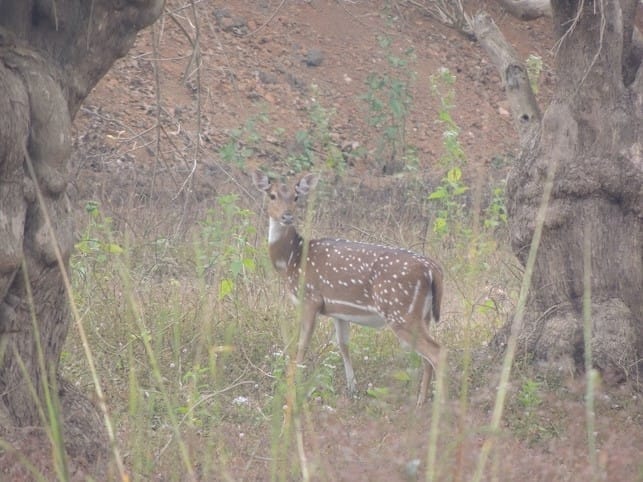
Recently, a young male tiger was discovered dead within the Achanakmar Tiger Reserve in Chhattisgarh, reportedly due to territorial disputes among tigers.
Key Takeaways
- Achanakmar Tiger Reserve is crucial for tiger dispersal between Kanha and Bandhavgarh reserves.
- The reserve is part of the larger Achanakmar - Amarkantak Biosphere Reserve.
Additional Details
- Location: The Achanakmar Tiger Reserve is located in Chhattisgarh and forms part of the significant Achanakmar - Amarkantak Biosphere Reserve, which is one of the three tiger reserves in the state.
- River: The Maniyari River flows through the center of the reserve, serving as a vital lifeline for the forest ecosystem.
- Tribal Community: The reserve is inhabited by several tribal groups, including the Baigas (a Particularly Vulnerable Tribal Group), as well as the Gond and Yadav communities.
- Vegetation: The predominant vegetation is tropical moist deciduous forest, which supports diverse flora and fauna.
- Flora: The reserve boasts a rich variety of plant species, including Sal, Bija, Saja, Haldu, Teak, Tinsa, Dhawara, Lendia, Khamar, and Bamboo, along with over 600 species of medicinal plants.
- Fauna: The wildlife includes tigers, leopards, bison, flying squirrels, Indian giant squirrels, chinkara, wild dogs, hyenas, sambars, chitals, and various bird species.
The discovery of the dead tiger highlights the ongoing territorial conflicts among tiger populations in the area, emphasizing the importance of conservation efforts in the Achanakmar Tiger Reserve.
GS3/Environment
US Climate Body Exit: Mixed Relief and New Risks for India
 Why in News?
The United States has declared its withdrawal from the UN Framework Convention on Climate Change (UNFCCC) and over 60 international treaties and organizations it claims no longer align with American interests. This exit includes significant climate bodies such as the Intergovernmental Panel on Climate Change (IPCC), the International Solar Alliance (ISA), and the International Renewable Energy Agency (IRENA). Following the earlier decision by President Donald Trump to withdraw from the Paris Agreement, this move will become effective on January 20, after a mandatory one-year notice period. The Trump administration has also reduced funding and staffing for US climate research agencies, leading to a substantial disengagement from the global climate governance system, thereby raising concerns about the future effectiveness of multilateral climate efforts.
Key Takeaways
- The US ranks among the highest countries in terms of annual and per-capita carbon emissions.
- US territorial CO₂ emissions were approximately 4.9 billion tonnes in 2024, contributing about 12.7% of global emissions.
- The US is the largest cumulative emitter of CO₂, responsible for roughly 24% of historical global emissions.
- Previously engaged in climate agreements, the US has shifted towards disengagement under the Trump administration.
- The exit may provide short-term relief for India but poses long-term risks for climate cooperation and investment.
Additional Details
- US Emissions Profile: As of 2024, the US per-capita CO₂ emissions were around 14.6 tonnes, significantly above the global average.
- Impact on Global Climate Cooperation: The US withdrawal may weaken multilateral efforts to combat climate change, potentially allowing other nations, like China, to take the lead in renewable energy.
- India's Climate Cooperation: The US's exit from climate bodies may stall the previously strong partnership between India and the US in climate and clean energy initiatives.
- International Solar Alliance: The US had joined the ISA in 2021 but provided no financial support, raising concerns about future funding and engagement.
In summary, while the US withdrawal from climate bodies may ease immediate pressures on India regarding rapid decarbonization, it introduces uncertainties that could hinder India's ability to attract investments in clean technologies and affect its long-term climate strategy.
GS3/Environment
Why Article 6 is a Powerful Tool for India
Why in News?
The operationalisation of carbon markets under Article 6 of the Paris Agreement signifies a crucial moment in global climate governance, particularly highlighted by the advancements made at COP29, which established mechanisms for collaborative, market-based climate actions.
Key Takeaways
- Article 6.2 facilitates the trading of Internationally Transferred Mitigation Outcomes (ITMOs) between countries.
- Article 6.4 introduces the Paris Agreement Crediting Mechanism, enhancing transparency and accountability in carbon trading.
- India's entry into Article 6 through the Joint Crediting Mechanism with Japan marks a significant step in its climate diplomacy.
- Article 6 mechanisms align with India's development goals while promoting industrial modernization.
Additional Details
- Article 6.2: This mechanism allows for bilateral and plurilateral trading of carbon credits, enabling countries to collaborate in reducing emissions effectively.
- Article 6.4: Replacing the Clean Development Mechanism, this framework aims to ensure greater environmental integrity and build trust among market participants.
- India has identified 13 eligible technologies necessary for operationalising Articles 6.2 and 6.4, focusing on sectors such as renewable energy and sustainable fuels.
- Challenges include the need for clearer governance structures and streamlined project approval processes to enhance participation in carbon markets.
- India's participation is expected to facilitate technology transfer and climate-aligned investments while supporting the country's industrial competitiveness.
In conclusion, India's engagement with Article 6 not only opens avenues for advanced technologies and investment but also contributes to a significant transformation in its approach to climate cooperation, aiming for shared prosperity and resilient development amidst global challenges.
GS3/Environment
Carbon Credits Offer New Income Stream for Rice Farmers
Why in News?
Encouraging farmers to adopt environmentally friendly practices poses significant challenges, particularly when these practices involve substantial initial costs, new equipment, or the potential for reduced yields. This issue is more pronounced in India, where over 86% of farmers are classified as small or marginal, cultivating 2 hectares or less.
Key Takeaways
- Low-effort, high-impact practices are essential for sustainable agriculture.
- Alternate Wetting and Drying (AWD) emerges as a beneficial method for rice cultivation.
- Carbon credits represent a new income opportunity for rice farmers.
Additional Details
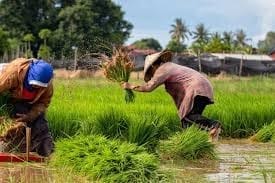
- Traditional Rice Cultivation: Involves raising paddy seeds in nurseries for 25-30 days before transplanting them into larger fields. For the initial 65 days, these fields are kept flooded, which suppresses weed growth.
- Methane Emissions: Continuous flooding creates anaerobic conditions conducive to methane-producing microbes, leading to significant greenhouse gas emissions. Flooded rice cultivation is a major contributor to agricultural emissions, with methane having a global warming potential 28 times greater than carbon dioxide over a century.
- Alternate Wetting and Drying (AWD): This practice alternates between drying and re-flooding rice fields, disrupting the anaerobic conditions and thereby reducing methane emissions.
- AWD Implementation Schedule: Farmers are advised to keep fields flooded for the first 20 days, then allow drying in two cycles of six days, draining water before re-flooding.
A study in Telangana comparing AWD and continuous flooding revealed significant insights: AWD fields utilized 3.14 million liters of water per acre compared to 4.96 million liters under continuous flooding, and reduced methane emissions from 6 tonnes to 3.5 tonnes CO2-equivalent per hectare, while maintaining grain yields at approximately 2.5 tonnes per acre. This illustrates AWD as a low-effort, high-impact practice that conserves water and decreases emissions without compromising productivity.
Furthermore, AWD not only enhances resource efficiency but also opens up potential earnings through carbon credits, which can be monetized by measuring methane reductions. Carbon credits, valued between $15-25 per tonne of CO2e, could enable farmers to earn approximately $37.5 per hectare, translating to around ₹3,367 per hectare (₹1,363 per acre) per crop. Given that India is the largest global producer and exporter of rice, the integration of AWD with carbon markets represents a scalable opportunity for farmers to increase their incomes while also reducing emissions.
GS3/Environment
Transforming a Waste-Ridden Urban India
 Why in News?
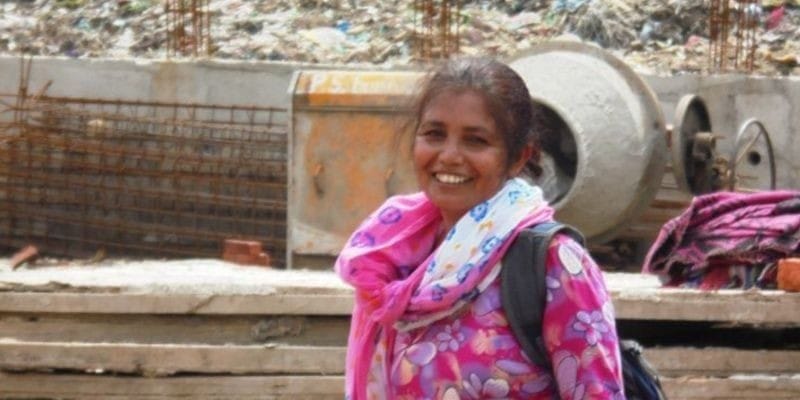
The global climate conversation has increasingly emphasized the significance of waste in climate action. This was notably highlighted at COP30 in Belém, Brazil, where initiatives aimed at waste reduction and promoting circular economies were identified as essential strategies for mitigating emissions, fostering inclusive growth, and enhancing public health.
Key Takeaways
- Urbanization in India is inevitable; however, the quality of urban growth is a critical choice.
- By 2030, Indian cities are projected to generate 165 million tonnes of waste annually, escalating to 436 million tonnes by 2050.
- The circular economy model is vital for transitioning from waste management to viewing waste as a resource.
- Citizen participation is crucial for the success of circularity initiatives.
Additional Details
- Urbanisation and Waste Crisis: Indian cities are grappling with a significant waste crisis, with many failing to meet global environmental health standards. The increasing waste generation poses threats to public health and climate stability.
- Circular Economy: The shift to a circular economy allows for sustainable practices that prioritize waste reduction and resource recovery, aligning with India's climate commitments under Mission LiFE.
- Managing Waste: Over 50% of India's municipal waste is organic, which can be managed through composting and bio-methanation. However, managing plastic waste remains complex and requires improved recycling processes and source segregation.
- Systemic Barriers: Effective waste management is hindered by systemic barriers, including inconsistent waste segregation, collection logistics, and inadequate market viability for recycled products.
- Role of Citizens: Engaging citizens in recycling and reducing waste is essential, especially as consumerism grows. Collaborative initiatives, such as the Cities Coalition for Circularity, are emerging to promote shared knowledge and solutions.
In conclusion, addressing India's urban waste challenge is critical for climate action, public health, and economic progress. By adopting a circular economy approach, cities can transform from waste-laden environments to models of resource efficiency. This transition requires coordinated governance, technological advancements, market development, and active citizen participation to ensure a sustainable urban future.
GS3/Environment
Bannerghatta National Park
 Why in News?
The Central Empowered Committee has recommended the restoration of the Ecologically Sensitive Zone surrounding Bannerghatta National Park to its original extent as recorded in 2016. This recommendation is crucial for the preservation of the park's biodiversity and ecological balance.
Key Takeaways
- Location: Nestled in the hills of the Anekal range, near Bangalore, Karnataka.
- Establishment: Designated as a National Park in 1974, it features India's first butterfly enclosure inaugurated in 2006.
- Area: Encompasses approximately 260.51 square kilometers.
- Connectivity: Serves as a critical elephant corridor linking the Biligirirangana Hills and Sathyamangalam forests.
- Water Source: The Suvarnamukhi stream flows centrally through the park, providing water for the wildlife.
Additional Details
- Vegetation:The park showcases three primary types of vegetation:
- Dry Deciduous Scrub Forests
- Southern Tropical Dry Deciduous Forests
- Southern Tropical Moist Mixed Forests
- Flora: Notable plant species include Narcissus latifolia, Schleichera oleosa, Sandalwood, Neem, Tamarind, Bamboo, and Eucalyptus.
- Fauna: The park is a prime habitat for various species, including the endangered Asian Elephant, Indian Gaur, Tiger, Sambar deer, Spotted deer, Leopard, Wild dog, Wild pig, and Sloth bear.
In summary, Bannerghatta National Park is a vital ecological zone that supports a rich diversity of flora and fauna. The recent recommendations for restoring its Ecologically Sensitive Zone emphasize the importance of protecting this unique environment for future generations.
GS3/Environment
Guidelines on Religious Structures in Wildlife Sanctuaries
 Why in News?
An apex wildlife advisory body has drafted guidelines aimed at regulating the diversion of forest land within wildlife sanctuaries for the construction of religious structures. This development arises from recent concerns regarding ecological integrity and the need for a systematic approach to such proposals.
Key Takeaways
- The guidelines are a response to specific proposals, particularly following a controversial case in Gujarat.
- Post-1980 constructions in forest areas are generally classified as encroachments.
- The guidelines emphasize the need for ecological assessments before any approvals.
Additional Details
- Protected Areas: In India, wildlife sanctuaries and national parks are governed by the Wildlife (Protection) Act, 1972. This act is designed to safeguard wildlife habitats from human activities that threaten ecological balance.
- Role of the National Board for Wildlife: The Standing Committee of the National Board for Wildlife (SCNBWL) evaluates proposals related to land-use changes within protected areas and ensures that any activities align with conservation goals.
- Context of the Guidelines: The necessity for these guidelines was highlighted after a proposal to divert land for a religious site in the Balaram Ambaji Wildlife Sanctuary raised concerns about legal rights and precedents.
- Key Provisions: The guidelines stipulate that expansions of religious structures are generally prohibited, with exceptions only for ecological management or essential services.
- Balancing Interests: The guidelines aim to balance cultural practices with environmental protection, recognizing that unchecked constructions can harm wildlife habitats and conservation efforts.
If effectively implemented, these guidelines could help maintain the ecological integrity of protected areas while respecting cultural and religious sentiments. However, consistent enforcement and transparency are crucial to avoid political interference that could undermine their effectiveness.
GS3/Environment
India's Biggest Climate Gap Could Be Language
 Why in News?
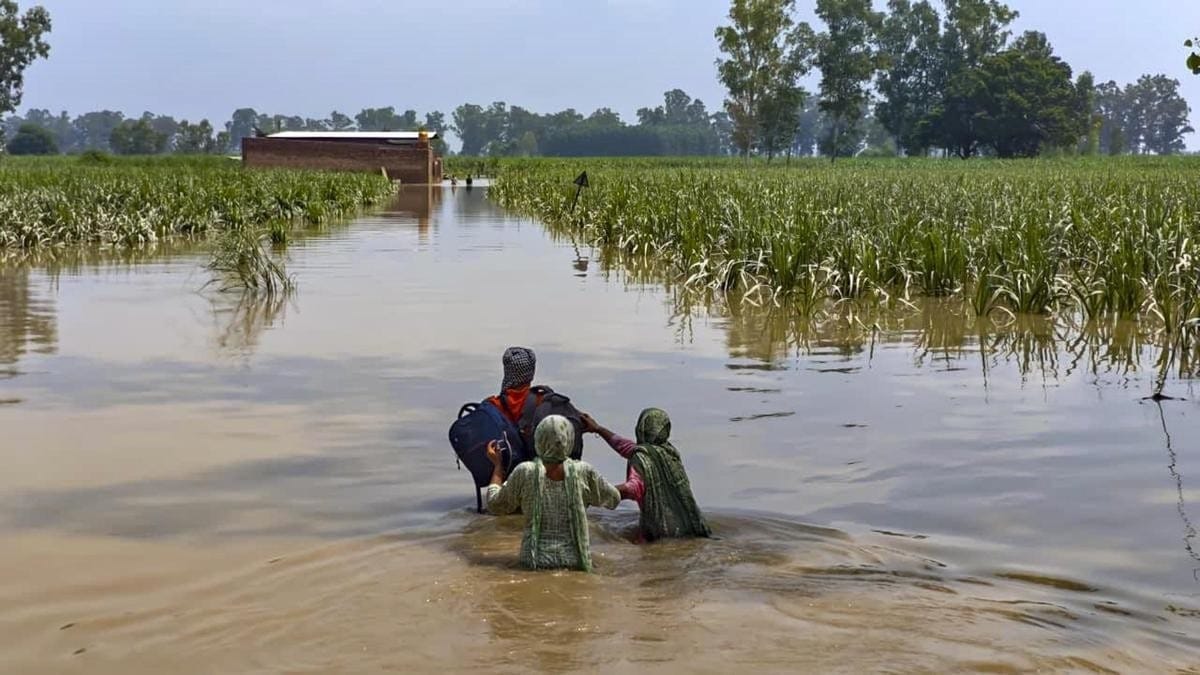
The significant gap in science communication is primarily attributed to language barriers. The effectiveness of scientific knowledge diminishes when it is laden with jargon that disconnects from people's everyday experiences. This issue is particularly critical in climate policy, where ineffective communication can lead to dire consequences.
Key Takeaways
- Language shapes the understanding and response to climate issues.
- The term "Loss and Damage" in climate negotiations indicates impacts exceeding adaptation limits.
- Communication is as essential as technology and policy in climate preparedness.
- Effective climate communication requires localization and co-creation with stakeholders.
Additional Details
- Loss and Damage: This term refers to impacts of climate change that go beyond adaptation, encompassing not just physical destruction but also losses that cannot be restored, such as cultural identity and biodiversity.
- The narrowing of the term's meaning in local contexts leads to a focus on quantifiable damage rather than the broader ethical implications, reducing the urgency for transformative action.
- Despite the expansion of climate science data, clearer decision-making remains a challenge due to complex reports that do not align with real-world scenarios.
- Effective communication must consider social contexts and be integrated into decision-making processes to improve response and resilience.
In conclusion, when communication about climate issues fails, scientific insights remain unutilized, and policies do not translate into effective action. Conversely, when communication is successful, it fosters resilience and a shared understanding of the climate crisis, making it essential for effective climate governance.
GS3/Environment
Achanakmar Tiger Reserve
 Why in News?
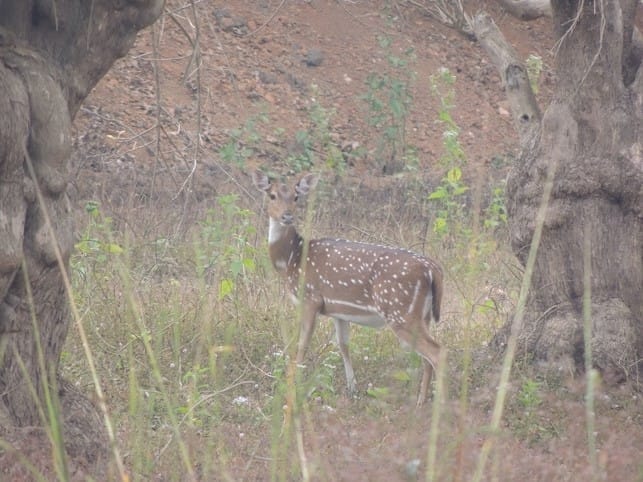
A young male tiger was discovered dead in Chhattisgarh's Achanakmar Tiger Reserve, with forest officials attributing the cause of death to a territorial dispute with another male tiger.
Key Takeaways
- Achanakmar Tiger Reserve is located in Chhattisgarh.
- Established as a wildlife sanctuary in 1975 and designated as a Tiger Reserve in 2009.
- Part of the Achanakmar-Amarkantak Biosphere Reserve, recognized by UNESCO in 2012.
- Functions as a crucial wildlife corridor between Kanha and Bandhavgarh Tiger Reserves in Madhya Pradesh.
Additional Details
- Location: This reserve is situated in the state of Chhattisgarh and serves as a habitat for various species.
- Biosphere Connection: It forms the core area of a biosphere reserve, enhancing its ecological significance.
- Wildlife Corridor: It provides a migratory link that is vital for maintaining genetic diversity among tiger populations.
- Drainage: The Maniyari River flows through the reserve, considered essential for sustaining its ecosystem.
- Tribal Communities: The reserve is home to the Baigas, a Particularly Vulnerable Tribal Group (PVTG), and the Gond communities.
- Vegetation: Dominated by tropical moist deciduous vegetation, it supports diverse flora.
- Flora: Contains species such as sal, bija, saja, haldu, teak, and over 600 medicinal plant species.
- Fauna: Houses a variety of wildlife including tigers, leopards, bison, and over 150 bird species.
The Achanakmar Tiger Reserve plays a crucial role in conservation efforts and maintaining biodiversity in the region. It not only supports a rich variety of flora and fauna but also sustains the livelihoods of the indigenous communities residing within its boundaries.
GS3/Environment
New Solid Waste Management Framework
Why in the News?
The Union government has recently announced the Solid Waste Management (SWM) Rules, 2026, which make source-level waste processing mandatory for bulk generators and local bodies across India.
Key Takeaways
- The SWM Rules, 2026 mark a significant regulatory shift in India's approach to solid waste management.
- Mandatory processing of waste at source is now required for bulk waste generators.
- New regulations aim to improve waste segregation, processing efficiency, and accountability among waste generators.
Additional Details
- Solid Waste Management in India: The country generates approximately 1.85 lakh tonnes of solid waste daily, with 30-40% originating from bulk waste generators like residential societies and commercial complexes. Despite improvements from initiatives such as the Swachh Bharat Mission, challenges remain, particularly in waste processing and segregation.
- Regulatory Framework: The previous Solid Waste Management Rules, 2016, focused on scientific waste management and included mandatory segregation and responsibilities for urban local bodies (ULBs). However, weak enforcement and institutional limitations hindered their effectiveness.
- Core Principles of the New Rules: The new framework emphasizes a waste hierarchy prioritizing prevention, reuse, recycling, recovery, and disposal as a last resort. Higher landfill fees for unsegregated waste aim to encourage compliance.
- Expanded Scope: Bulk waste generators now include buildings over 20,000 sq. m., facilities using over 40,000 litres of water daily, and entities generating over 100 kg of waste daily.
- Mandatory Segregation: The new rules mandate four waste streams: Wet waste, Dry waste, Sanitary waste, and Special care waste (e.g., batteries, e-waste) to enhance recycling efficiency.
- Local Bodies Empowerment: Local authorities in ecologically sensitive areas can now impose user fees on tourists for waste management and regulate visitor numbers based on waste management capacity.
The SWM Rules, 2026 aim to shift the responsibility of waste management from urban local bodies to the waste generators, promoting accountability and reducing financial strain on municipalities. By focusing on the largest contributors to urban waste, these regulations are expected to enhance waste processing rates and lessen reliance on landfills.
FAQs on Environment, Ecology and Climate Change – Current Affairs (January 2026)
| 1. What are the key objectives of the Environmental Protection Fund? |  |
| 2. How does the Miyawaki Method contribute to urban forestry? | |
| 3. What are the implications of water bankruptcy on global agriculture? | |
| 4. What is the significance of the Gadgil Report concerning the Western Ghats? | |
| 5. How does the Supreme Court's 'Green Governance' approach influence environmental regulation in India? | |




