Indian Polity and Governance - Current Affairs (February 2026)


GS2/Polity
India's Federalism is in Need of a Structural Reset
Why in News?
The debate surrounding India's federal structure has gained traction as experts argue for a recalibration of power between the Centre and the states. This discussion is rooted in the historical context of India's formation and the evolving political landscape, which now calls for a reassessment of centralization and autonomy.
Key Takeaways
- India's federal system, initially designed for stability, now risks inefficacy due to excessive centralization.
- The historical context of post-Independence necessitated strong central authority, which has since become entrenched.
- Decentralization is essential for improving governance and policy responsiveness to regional diversity.
Additional Details
- Historical Context: The immediate environment post-1947, including Partition and the integration of princely states, led to a concentration of power in New Delhi as a defensive mechanism. This centralization was meant to ensure national stability but has evolved into a persistent administrative structure.
- Theoretical Foundations: Federalism balances the allocation and restraint of authority. Effective governance requires decisions to be made closer to the citizens, which enhances accountability and responsiveness.
- Political Practice: The dominance of a single national party historically reinforced central authority, but the emergence of regional parties has started to restore balance without undermining unity.
- Institutional Mechanisms of Centralisation: Central authority has expanded through constitutional amendments, legislation, and financial dependencies, which can undermine state autonomy.
- Judicial Doctrine: The Supreme Court's recognition of federalism as part of the Basic Structure underscores the constitutional autonomy of states, yet practice often contradicts this principle.
- Functional Argument: India's diversity necessitates decentralized governance, allowing for policy experimentation and flexibility to address regional needs effectively.
In conclusion, India's federal framework requires a structural reset to align authority with responsibility. A recalibrated relationship between the Union and the states can enhance governance, accountability, and ultimately reinforce national unity through cooperation rather than control.
GS2/Polity
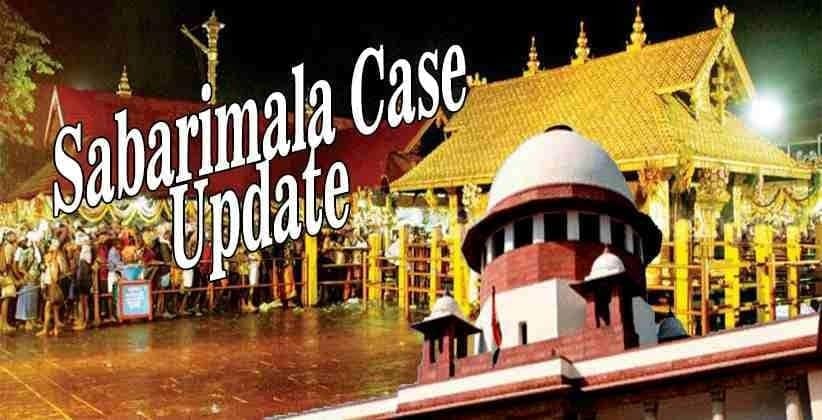
Sabarimala Case Back in Focus: Supreme Court to Review 2018 Verdict in April
 Why in News?
The Supreme Court has scheduled hearings from April 7 before a nine-judge Constitution Bench to consider review petitions against its 2018 verdict that permitted women of all ages to enter the Dharma Sastha Temple. This judgment led to widespread protests during the temple's 41-day pilgrimage season and became a politically charged issue in Kerala. The Kerala government continues to support women's entry, as stated in its 2017 affidavit, while closely observing the developments in the apex court. The review hearings are particularly significant given the upcoming Assembly elections.
Key Takeaways
- The Supreme Court will review its 2018 judgment on women's entry into Sabarimala Temple.
- The case has implications for gender equality and religious practices in India.
- The Kerala government remains supportive of women's rights regarding temple entry.
Additional Details
- Sabarimala Temple: Situated in the Periyar Tiger Reserve in the Western Ghats of Kerala, this temple is one of South India's most significant pilgrimage centers.
- Deity: The temple is dedicated to Lord Ayyappa, regarded as the son of Lord Shiva and Mohini, the female avatar of Lord Vishnu.
- Unique Practice: Devotees undergo a strict 41-day penance (vratham) before the pilgrimage, renouncing worldly comforts and adhering to spiritual discipline.
- Celibate Deity Belief: Lord Ayyappa is worshipped as a celibate deity.
- Entry Restriction: Traditionally, women between the ages of 10 and 50 were barred from entering, based on beliefs aimed at preserving the deity's celibacy.
- The first legal challenge to this restriction occurred in 1990, leading to a Kerala High Court ruling that upheld the ban.
- In 2018, the Supreme Court's landmark 4:1 verdict deemed the exclusion unconstitutional, igniting widespread protests and subsequent review petitions.
- In 2019, the Court referred broader constitutional issues to a larger bench but did not stay the 2018 ruling.
- In 2020, a nine-judge bench confirmed the review petitions were maintainable and framed seven constitutional questions for further examination.
This case continues to underscore the tension between traditional practices and constitutional rights in India, with significant implications for gender equality and religious freedom.
GS2/Polity
Diversity in Judiciary - Constitutional Debate on Appointments
Why in News?
A private member's Bill has been introduced in Parliament seeking constitutional amendments to promote diversity in judicial appointments and establish regional benches of the Supreme Court.
Key Takeaways
- The Constitution provides the framework for judicial appointments in India.
- The evolution of the collegium system has impacted judicial independence.
- The NJAC was struck down, reaffirming the collegium system.
- Diversity in judicial appointments remains a critical issue, especially for marginalized groups.
- Proposals for regional benches aim to improve access to justice.
Additional Details
- Constitutional Provisions:The Constitution of India outlines the appointment process for judges:
- Article 124: Judges of the Supreme Court are appointed by the President after consulting the Chief Justice of India (CJI).
- Article 217: High Court judges are appointed with the CJI's consultation, along with the Governor of the State and the Chief Justice of the High Court.
- Article 130: The Supreme Court's seat is in Delhi or any location decided by the CJI with presidential approval.
- Evolution of the Collegium System:The collegium system was established through judicial interpretation:
- First Judges Case (1981): Upheld executive primacy in appointments.
- Second Judges Case (1993): Established the collegium system, prioritizing judiciary.
- Third Judges Case (1998): Clarified collegium composition and functioning.
- National Judicial Appointments Commission (NJAC): Enacted in 2014, the NJAC included the CJI and representatives from the executive. However, it was deemed unconstitutional in 2015, emphasizing the importance of judicial independence.
- Diversity Concerns:Current data shows limited representation in higher judiciary:
- Only about 20% of appointments from SC, ST, and OBC between 2018-2024.
- Women representation remains below 15%, and religious minorities below 5%.
- The proposed Bill aims for constitutional mandates ensuring proportional representation.
- Proposal for Regional Benches: The Bill suggests establishing regional benches in major cities like New Delhi, Kolkata, Mumbai, and Chennai to enhance access to justice and manage the backlog of cases.
The need for diversity in the judiciary is crucial for enhancing public confidence and ensuring a judiciary that reflects India's pluralistic society. The responsibility for ensuring this diversity primarily lies with the judiciary itself, necessitating reforms in the collegium process and consideration for regional benches to improve access to justice.
GS2/Polity
Freedom of Satire and the Limits of State Power in India
 Why in News?
Access to a satirical cartoon video was recently blocked, citing national security concerns, which has ignited a debate regarding the extent of freedom of satire in India.
Key Takeaways
- Freedom of speech and expression is guaranteed under Article 19(1)(a) of the Indian Constitution.
- The right to free speech is not absolute; reasonable restrictions can be imposed under Article 19(2).
- Satirical expression is recognized as a legitimate form of artistic and political expression.
- Recent legal frameworks and judicial views emphasize the importance of satire in democratic discourse.
Additional Details
- Constitutional Basis of Free Speech: Article 19(1)(a) guarantees freedom of speech; however, Article 19(2) allows reasonable restrictions in the interests of sovereignty, national security, and public order.
- Judicial Recognition of Satire: The Supreme Court has affirmed that satire serves as an essential tool for exposing societal issues, as seen in cases like Indibily Creative (P) Ltd. v. State of West Bengal (2019) and D.C. Saxena v. Chief Justice of India (1997).
- Legal Framework for Blocking Content: Section 69A of the Information Technology Act, 2000, empowers the government to block online content under specific grounds, requiring reasoned orders and review processes.
- Tension Between National Security and Free Expression: The justification of blocking content for national security raises questions about the reasonableness and transparency of such restrictions.
This situation underscores the ongoing struggle to balance freedom of expression with national security concerns in a democratic society. The role of satire remains crucial in promoting dialogue and challenging authority, making it essential to protect artistic expression against excessive restrictions.
GS2/Polity
Digital Personal Data Protection Act Faces a Constitutional Challenge
 Why in News?
Three Public Interest Litigations (PILs) have been submitted to the Supreme Court, challenging the constitutionality of the Digital Personal Data Protection Act, 2023 (DPDP Act). While the Act is designed to safeguard the digital privacy of individuals, the petitioners contend that it undermines the Right to Information (RTI), limits investigative journalism, and expands the surveillance powers of the state.
Key Takeaways
- The Supreme Court has accepted the petitions and will hear the matter in March.
- The petitioners argue that certain provisions weaken transparency and public interest access.
- Section 44(3) of the DPDP Act, which amends the RTI Act, raises significant concerns.
Additional Details
- Section 44(3) of the DPDP Act: This provision broadly exempts "information which relates to personal information," removing the public interest override that previously allowed for disclosure in cases of greater public interest.
- The change is viewed as a significant obstacle for Public Information Officers (PIOs) in balancing privacy with the public interest, potentially shielding corrupt practices.
- Proportionality Test: The petitions reference the Supreme Court's 2017 Puttaswamy judgment, which emphasizes that any restrictions on fundamental rights must meet a proportionality test, which the petitioners argue the DPDP Act fails.
- Impact on Journalism: Under the DPDP Act, journalists may be classified as "data fiduciaries" requiring them to obtain consent from individuals, complicating investigative work.
- Consent and Data Erasure: Section 12 states that data must be erased if consent is not granted, which could hinder ongoing investigative journalism.
- There are concerns about severe penalties for non-compliance, which may deter journalists from pursuing stories that involve personal data.
- Section 36: This allows the Union government to demand information without clear safeguards, increasing risks to individual privacy and press freedom.
- Concerns have been raised regarding the independence of the Data Protection Board, as it is solely appointed by the government, which could lead to conflicts of interest.
The constitutional challenge against the DPDP Act highlights critical tensions between privacy rights, public transparency, and the freedom of the press. The outcomes of these petitions could have significant implications for the future of digital privacy and accountability in India.
GS2/Polity
Form 7 Controversy and Electoral Roll Revisions in India
 Why in News?
Concerns have surfaced regarding the alleged misuse of Form 7 applications during the ongoing Special Intensive Revision (SIR) of electoral rolls, resulting in a significant number of voters' names being deleted across various states.
Key Takeaways
- Electoral rolls are essential for ensuring every eligible citizen has the right to vote in India.
- Form 7 serves as a mechanism to object to the inclusion of names in electoral rolls, with recent changes raising concerns about potential misuse.
- The current SIR process has led to the removal of approximately 6.5 crore voters, sparking controversy and allegations of fraud.
Additional Details
- Electoral Rolls: These rolls are foundational to India's democratic process, governed by the Representation of the People Act, 1950. They are regularly updated to reflect new voters and remove ineligible entries.
- Form 7: This form is used to challenge the inclusion of a person's name in the electoral roll. The Registration of Electors Rules, 1960, governs its use, allowing objections based on criteria like death, duplication, or ineligibility.
- Special Intensive Revision (SIR): The SIR is a comprehensive effort by the Election Commission of India (ECI) to update electoral rolls, affecting nearly 51 crore voters across various regions.
- Controversy: Allegations have emerged of bulk Form 7 submissions without voters' consent, leading to systematic deletions of eligible voters' names, particularly in states like Rajasthan and Gujarat.
- Verification Process: Booth Level Officers (BLOs) are mandated to conduct physical verifications when Form 7 applications are filed, although concerns persist regarding the effectiveness of these measures under time constraints.
In summary, the ongoing debate surrounding Form 7 and the electoral roll revisions highlights critical issues of voter disenfranchisement and the integrity of the electoral process in India. It underscores the need for enhanced transparency and robust verification mechanisms to safeguard the rights of voters.
GS2/Polity
AI Content Labelling Norms: Government's Latest Framework
 Why in News?
The Ministry of Electronics and Information Technology (MeitY) has revised the Information Technology (IT) Rules, 2021, to require the labelling of AI-generated content by users and social media platforms. This amendment also reduces the timeline for content takedown from 24-36 hours to just 2-3 hours for all online content, effective from February 20.
Key Takeaways
- Mandatory labelling of AI-generated content.
- Shortened takedown timeline for unlawful content.
- Enhanced responsibilities for social media platforms.
Additional Details
- AI-Generated Content: The revised rules require social media platforms to clearly label content that is "synthetically generated" or AI-generated. Platforms with over five million users must obtain user declarations for AI-generated content and conduct technical verifications prior to publication.
- Prohibited Content: Certain types of AI-generated material are strictly banned, including child sexual exploitation content, forged documents, information on explosives, and deepfakes impersonating real individuals. This is intended to enhance safeguards against harmful AI use.
- Tighter Timelines: The amended rules enforce a 2-3 hour compliance window for government and court-ordered takedowns, significantly reducing the previous 24-36 hour timeline. User complaints related to defamation and misinformation must now be addressed within one week.
- User Notifications: Social media platforms must notify users of their terms and conditions every three months, explaining the consequences of non-compliance and obligations for reporting harmful content.
- Technical Measures: The government mandates that large platforms utilize reasonable technical measures to detect and prevent the distribution of unlawful synthetic content, while also emphasizing the need for proper labelling and provenance tracking.
In conclusion, these amendments aim to enhance accountability and transparency regarding AI-generated content, ensuring that users are informed and protected from potential misuse of technology.
GS2/Polity
Bull Dozer Justice and the Erosion of Due Process

Why in News?
Recent observations by the Allahabad High Court have brought renewed scrutiny to the practice of "bulldozer justice" in Uttar Pradesh. This refers to the demolition of properties belonging to individuals accused of crimes shortly after allegations arise. Critics argue that such actions bypass the constitutional process of allegation, investigation, adjudication, and sanction, effectively transforming executive discretion into punishment without due process. Although the Supreme Court in 2024 issued clear directions against unlawful demolitions, their continued occurrence highlights an ongoing tension between executive action and constitutional safeguards in a democratic system.
Key Takeaways
- The Allahabad High Court intervened after a family faced threats of demolition due to an FIR against a relative.
- The court emphasized that punishment is a judicial function and should not be executed by administrative authorities.
- Demolitions must adhere to due process and respect constitutional rights under Articles 14 and 21.
Additional Details
- Legal Framework Governing Demolitions:Under the Uttar Pradesh Municipal Corporation Act, 1959, and the Uttar Pradesh Urban Planning and Development Act, 1973, authorities can remove unauthorized constructions, but must follow due process, which includes:
- Identification of violation
- Issuance of a written notice with grounds
- Opportunity for the accused to respond
- Consideration of objections
- Issuance of a reasoned order
- Limits of Executive Power: Municipal laws are regulatory and do not equate the mere registration of an FIR with the legality of a property. Demolition should be a last resort, not a substitute for judicial punishment.
- Due Process as a Constitutional Safeguard: The Constitution protects individuals from property deprivation without lawful procedure, including notice, hearing, and judicial oversight. Premature demolitions undermine this process.
The Allahabad High Court's intervention raises crucial questions regarding the potential violation of fundamental rights through the threat of demolition, the standards that should govern preventive judicial relief, and how to ensure accountability when municipal powers are misused. Such demolitions can have immediate and irreversible impacts on families who may later be deemed innocent, thereby eroding public trust in fair governance.
GS2/Polity
Judicial Intervention in Religious Disputes: Constitutional Evolution and Limits
 Why in News?
Recent rulings from the Madras High Court regarding the recitation rights of the Thiruparankundram Deepathoon and the Thenkalai sect illustrate the ongoing constitutional involvement of courts in religious disputes. These cases highlight that temples function as public institutions, not as private entities, and are thus subject to constitutional oversight. The rise in litigation signifies an ongoing struggle between the autonomy of religious denominations and the principles of constitutional morality.
Key Takeaways
- The nature of temple disputes has shifted from civil rights issues to constitutional matters following the establishment of the Indian Constitution.
- The introduction of Articles 25 and 26 has transformed how courts adjudicate on matters of religious disputes.
- Judicial approaches, such as the Essential Religious Practices doctrine, have evolved to balance religious freedoms with constitutional principles.
Additional Details
- Civil Rights Character: In the case of Sankaralinga Nadan vs Raja Rajeswara Dorai (1908), temple entry disputes were viewed as civil rights issues rather than constitutional questions.
- Legislative Supervision: The Madras Hindu Religious Endowments Act of 1927 established state oversight over temple administration and finances, marking a significant shift in governance.
- Constitutional Transformation: Post-1950, Articles 25 and 26 began to frame temple disputes within the context of fundamental rights.
- Judicial Centrality: Constitutional courts emerged as key arbiters in achieving a balance between equality and religious autonomy.
- Essential Religious Practices Doctrine: The Supreme Court developed the ERP test to differentiate between essential religious protections and secular practices, allowing for state regulation where necessary.
- The Sabarimala case (Indian Young Lawyers Association, 2018) reinforced that even essential religious practices must align with constitutional morality.
- Contemporary tensions persist as Article 26 rights frequently clash with individual equality guarantees, raising questions about judicial overreach and the interpretative nature of constitutional morality.
- To address these challenges, the judiciary could adopt a proportionality framework, ensure clearer legislative parameters, and encourage internal grievance mechanisms within religious institutions.
In conclusion, judicial review of religious practices serves as a constitutional necessity. The objective should not be to withdraw courts from these disputes but to refine judicial tools that harmonize religious faith with constitutional supremacy.
GS2/Polity and Governance
Rajya Sabha Elections
Why is it News?
- The Election Commission of India (ECI) has set the timetable for the biannual elections to fill 37 Rajya Sabha seats spread across 10 States.
Key Facts About the Rajya Sabha
Overview of Rajya Sabha
- The Rajya Sabha, also known as the Council of States, is the Upper House of the Indian Parliament.
- It comprises representatives from States and Union Territories, along with members nominated by the President of India.
Constitutional Basis
- Article 80 of the Constitution sets the maximum number of members in the Rajya Sabha at 250.
- This includes 12 members nominated by the President for their expertise in fields like literature, science, art, and social service.
- Currently, there are 245 members in the House: 233 representing States and Union Territories (Delhi, Puducherry, and Jammu & Kashmir) and 12 nominated members.
Seat Allocation
- Seats in the Rajya Sabha are allocated to States and Union Territories based on their population, as outlined in the Fourth Schedule of the Constitution.
Eligibility Criteria
- Article 84 of the Constitution specifies the qualifications for becoming a member of Parliament.
- To be eligible for the Rajya Sabha, a candidate must be:
- A citizen of India
- At least 30 years old
- Must take an oath or affirmation before an authorized person as per the Third Schedule of the Constitution
- Must meet any additional qualifications set by Parliament through law
Tenure and Bye-elections
- The Rajya Sabha is a permanent body; it is not dissolved as a whole.
- One-third of its members retire every two years, with each member serving a six-year term.
- Bye-elections are conducted to fill vacancies arising from resignation, death, or disqualification. The elected member serves the remainder of the original term.
Chairperson
- The Vice-President of India serves as the ex-officio Chairperson of the Rajya Sabha.
Special Powers of Rajya Sabha
- Article 249: Allows Parliament to legislate on a State List subject in the "national interest" with a two-thirds majority in the Rajya Sabha.
- Article 312: Grants the exclusive authority to initiate the creation of new All-India Services.
- The Rajya Sabha also plays a crucial role in ensuring governance continuity during emergencies under Articles 352, 356, and 360.
Election Process for Rajya Sabha
Election Mechanism
- Members of the Rajya Sabha are elected through Indirect Election by the elected members of the Legislative Assemblies of States and Union Territories.
- The system used is proportional representation by means of the single transferable vote.
- In this system, MLAs rank candidates in order of preference on their ballot.
- A candidate must secure a specific quota of votes to be elected.
- If a candidate receives surplus votes beyond the quota, these surplus votes are transferred to the next preferred candidate at a reduced value.
- If seats remain vacant, the candidate with the lowest votes is eliminated, and their votes are redistributed to remaining candidates based on subsequent preferences.
Electoral College
- Only the elected members of the Legislative Assemblies (MLAs) of the States and Union Territories are eligible to vote in the election.
Domicile Requirement
- Pre-2003: A candidate had to be a resident of the state from which they were contesting.
- Post-2003: A candidate can be an elector from any parliamentary constituency in India. This change was made by the Representation of the People (Amendment) Act, 2003.
"Open Ballot" System
- Voting is not secret for MLAs belonging to political parties.
- Every MLA from a political party must show their marked ballot to the party's authorized agent before dropping it in the box.
- This system aims to prevent cross-voting and corruption.
- Independent MLAs do not have to show their ballot to anyone.
Anti-Defection Law
- The Supreme Court has ruled that voting against the party whip in a Rajya Sabha election does not lead to disqualification under the Anti-Defection Law (10th Schedule).
- While the party can take disciplinary action against the MLA, the MLA retains their assembly seat.
NOTA (None of the Above)
- The Supreme Court abolished the NOTA option for Rajya Sabha elections in 2018.
- The court found that NOTA undermines the principles of proportional representation and the single transferable vote.
GS2/Polity
Parliament's Historic Law, An Extended Wait for Women
 Why in News?
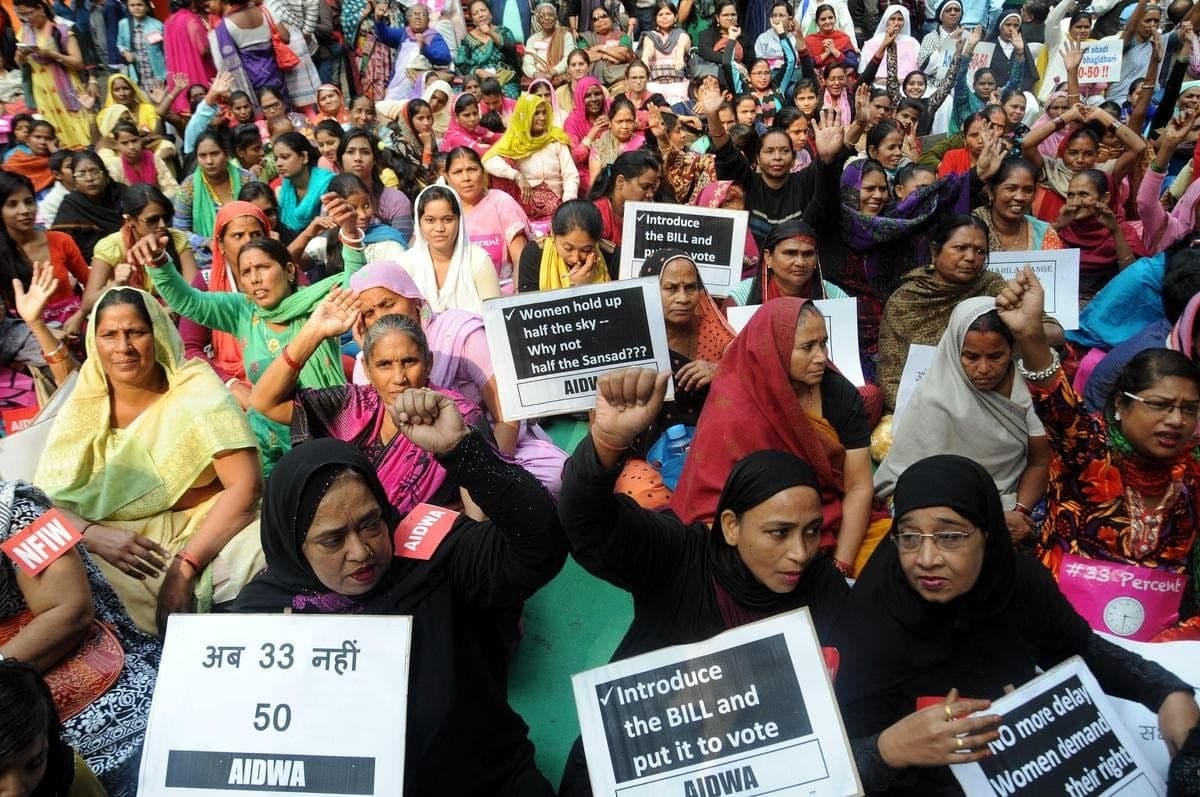
The Women's Reservation Act, enacted in September 2023, aims to reserve one-third of seats for women in both the Lok Sabha and State Assemblies. This significant legislation seeks to address the historical underrepresentation of women in Indian politics. However, its implementation is delayed, linking it to future constitutional processes, which raises concerns about the actual pace of democratic reform.
Key Takeaways
- The Act promises one-third reservation for women in the Lok Sabha and State Assemblies.
- Implementation is contingent on a national Census and a delimitation exercise, creating a delay until around 2034.
- The Act reflects political calculations to avoid immediate displacement of current male incumbents.
Additional Details
- Constitutional Framework:The Act ties reservation to two essential processes:
- A national Census scheduled after 2026.
- A delimitation exercise based on the Census data.
- Census Timeline: The next Census is anticipated in 2027, with data verification taking an additional 12-18 months.
- Delimitation Process: Following the Census, the President will establish a Delimitation Commission to redraw parliamentary constituencies, which historically takes several years, delaying implementation beyond 2032-2033.
- Political Logic: Immediate implementation would result in women-only seats displacing existing male incumbents, leading to electoral costs for political parties.
- Historical Context: Efforts for women's reservation began in 1996, with previous attempts failing, making the 2023 Act a culmination of nearly three decades of struggle.
- Design Gaps: The Act excludes upper houses and does not provide separate quotas for OBC women, raising questions about its comprehensiveness.
- Possible Solutions: Alternative options for early implementation include constitutional amendments, temporary reservations in existing constituencies, or the immediate expansion of Lok Sabha seats reserved for women.
The Women's Reservation Act signifies a substantial step toward women's political participation, yet its linkage to future Census and delimitation processes transforms a reform into a deferred constitutional project. The ultimate success of this measure relies not just on its enactment but also on its timely execution. Until women can occupy the promised seats, the representation remains unfulfilled, illustrating that delayed representation equates to denied representation in a democratic framework.
GS2/Governance
NDMA's First-Ever SOP on Disaster Victim Identification (DVI)
 Why in News?
A series of significant disasters occurred in India in 2025, revealing critical deficiencies in the identification and management of disaster victims. In response, the National Disaster Management Authority (NDMA) has introduced India's inaugural comprehensive Standard Operating Procedure (SOP) for addressing Mass Fatality Incidents (MFIs). The guidelines, titled "National Disaster Management Guidelines on Comprehensive Disaster Victim Identification and Management," were unveiled on Republic Day, coinciding with the 25th anniversary of the 2001 Gujarat earthquake.
Key Takeaways
- Introduction of India's first comprehensive SOP for DVI.
- Guidelines released in response to multiple mass fatality events in 2025.
Additional Details
- Need for these Guidelines:India experienced at least five major mass fatality incidents in 2025, including:
- Air India crash in Ahmedabad (June)
- Chemical factory explosion in Sangareddy, Telangana (June)
- Gambhira bridge collapse in Vadodara (July)
- Flash floods in Dharali, Uttarakhand (August)
- Delhi car bomb blast (November)
- Many victims remained unidentified or were recognized only after significant delays, leading to emotional distress for families and administrative complications.
- Key Objectives of the Guidelines:
- Ensure scientific, coordinated, and humane identification of disaster victims.
- Facilitate dignified handling and return of human remains to families.
- Address logistical, institutional, and forensic gaps.
- Standardize roles among various stakeholders at local, state, and central levels.
- Salient Features of the SOP:
- Four-stage victim identification process:
- Systematic recovery of human remains
- Collection of post-mortem data (physical, dental, forensic details)
- Collection of ante-mortem data from families (medical records, dental records, personal identifiers)
- Reconciliation and identification, followed by the release of remains to families
- National Dental Data Registry: A significant recommendation utilizing dental records for victim identification, as these often survive extreme conditions.
- Utilization of advanced forensic techniques, including:
- Forensic odontology: Dental identification.
- Forensic archaeology: Identification of remains from past disasters, such as landslides.
- Humanitarian forensics approach emphasizing community customs and emotional support for families.
- Four-stage victim identification process:
- Institutional and Operational Framework: The document outlines roles for all stakeholders in disaster aftermath, emphasizing coordination among police, medical, forensic, administrative, and disaster response agencies.
- Challenges Highlighted in the Document:
- Operational challenges like fragmentation of remains and rapid decomposition.
- Logistical issues including inadequate mortuary capacity and lack of cold chain transport.
- Institutional shortcomings such as a shortage of trained forensic professionals and weak inter-agency collaboration.
- Way Forward Suggested by NDMA:
- Establishing organizational structures for Disaster Victim Identification across India.
- Training experts from relevant forensic fields.
- Forming specialized DVI teams in each State.
- Implementing best practices adapted from Interpol.
- Strengthening Disaster Risk Reduction (DRR) and post-disaster governance.
- Incorporating science, technology, and humanitarian values into practices.
The NDMA's inaugural SOP on Disaster Victim Identification signifies a pivotal transition from ad hoc responses to a systematic, humane, and scientific framework for managing mass fatalities. By integrating global best practices with local realities, and prioritizing the dignity of victims alongside the emotional well-being of families, these guidelines represent a significant advancement in India's disaster management approach. The effectiveness of implementation and ongoing capacity-building will be crucial to ensuring that this important initiative delivers tangible relief in future disasters.
GS2/Polity
Denotified Tribes in India - Demand for Constitutional Recognition
Why in News?
Denotified, nomadic, and semi-nomadic tribes in India are advocating for constitutional recognition and the inclusion of a separate column in the upcoming 2027 Census. This demand arises from their historical marginalization and the need for political and administrative acknowledgment.
Key Takeaways
- Denotified tribes were previously labeled as "criminal tribes" under colonial rule.
- Despite the repeal of discriminatory laws, social stigma and marginalization persist.
- These tribes face severe socio-economic disadvantages, particularly in education and livelihood.
- There is a demand for a distinct constitutional category for better recognition and benefits.
Additional Details
- Denotified Tribes (DNTs): DNTs are communities that were historically categorized as criminal by the British under the Criminal Tribes Act, 1871. Following India's independence, the act was repealed in 1952, but the stigma remained.
- Socio-Economic Status: DNTs are among the most marginalized groups, struggling with low literacy rates, limited access to essential services, and economic vulnerability due to informal labor reliance.
- Policy Gaps: Unlike Scheduled Castes (SCs) and Scheduled Tribes (STs), DNTs lack a dedicated constitutional Schedule, leading to their misclassification and policy invisibility.
- Government Initiatives: The government has launched the Scheme for Economic Empowerment of DNTs (SEED) to support education, health, and livelihoods, but utilization remains low due to issues in certificate issuance.
The demand for constitutional recognition and a separate Census entry is crucial for DNTs to ensure their historical injustices are acknowledged and to facilitate targeted welfare schemes. Community leaders are advocating for a distinct classification to accurately represent their needs and challenges.
GS2/Polity
Eastern Nagaland Autonomy
 Why in News?
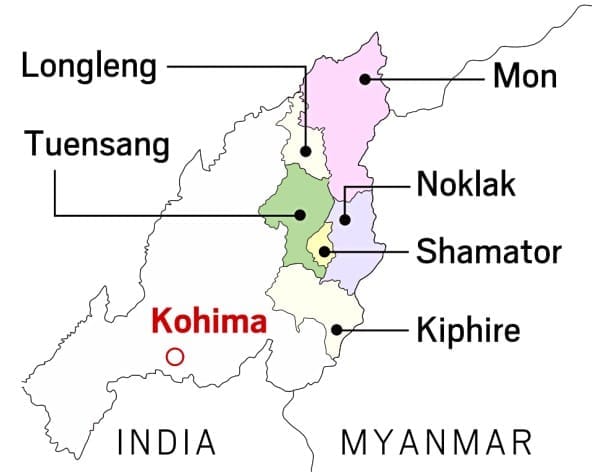
The Centre has recently signed a tripartite agreement with the Nagaland Government and the Eastern Nagaland Peoples' Organisation (ENPO) to establish the Frontier Nagaland Territorial Authority (FNTA). This initiative aims to provide a model of "devolutionary autonomy" to six underdeveloped eastern districts: Kiphire, Longleng, Mon, Noklak, Shamator, and Tuensang. The objective is to address long-standing demands for greater self-governance and focused development within these regions.
Key Takeaways
- The FNTA is a response to the ENPO's demand for a separate state called Frontier Nagaland.
- The demand for autonomy has historical roots, stemming from perceived neglect since the British era.
- The Centre's agreement reflects both political pressures and strategic considerations regarding regional stability.
Additional Details
- ENPO's Demand: The ENPO has been advocating for the creation of a separate state since 2010, citing historical neglect of eastern districts following Nagaland's statehood in 1963.
- Centre's Response: The Centre's move to grant autonomy through the FNTA is seen as a stabilizing measure to address regional grievances and manage the security risks associated with the Myanmar border.
- Semi-Autonomous Governance Structure: The FNTA will provide semi-autonomous status to the six districts, establishing a mini-Secretariat to decentralize administration and lessen dependence on Kohima.
- Financial and Administrative Devolution: Development funds will be allocated based on population and area, emphasizing direct financial empowerment for the region.
- Legislative and Executive Authority: The FNTA will have authority over 46 subjects, allowing local governance in critical areas such as land use and infrastructure.
- Constitutional Protections: The arrangement upholds Article 371(A), ensuring that Nagaland's special constitutional safeguards remain intact.
The FNTA serves as a compromise between full statehood and regular district administration, suggesting that constitutional innovation can enhance autonomy without redrawing state boundaries. However, the situation in Manipur regarding the Kuki-Zo demand is more complex due to ongoing ethnic tensions and opposition from the state government.
GS2/Polity
No-Confidence Against the Speaker: Process and Implications
 Why in News?
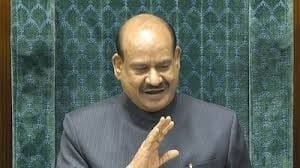
The Opposition has initiated a no-confidence motion against Om Birla, the Speaker of the Lok Sabha. This motion will be reviewed and processed according to established parliamentary procedures. The move is a response to criticism from the Congress and other political parties, who have accused the Speaker of preventing the Leader of Opposition from discussing excerpts from former Army Chief M M Naravane's unpublished memoir. Additionally, the Opposition has contested the Speaker's assertion that PM Modi could have faced an attack within the House, deeming it inappropriate and contentious.
Key Takeaways
- The Lok Sabha Speaker can be removed through a constitutional process.
- A no-confidence motion requires significant support from Members of Parliament.
- Past no-confidence motions against Lok Sabha Speakers have historically been unsuccessful.
Additional Details
- Removal of the Lok Sabha Speaker: According to Article 94of the Constitution, the Speaker or Deputy Speaker can vacate office through:
- Cessation of Membership (Article 94(a)): Automatically vacates office if they cease to be a member of the Lok Sabha.
- Resignation (Article 94(b)): Can resign at any time via a written notice.
- Removal by Resolution (Article 94(c)): Requires a Lok Sabha resolution passed by a majority of all members present.
- The process for removal underscores the need for both stability and accountability among presiding officers.
- A member must submit a written notice to the Secretary-General of the Lok Sabha, which must be co-signed by at least two members, and cannot be moved without a minimum of 14 days' notice.
- No-confidence motions have occurred against the Speaker on three occasions: 1954, 1966, and 1987, all of which were unsuccessful.
In conclusion, the process of initiating a no-confidence motion against the Speaker involves strict procedural requirements. If the motion is admitted, it must be supported by at least 50 members to proceed, highlighting the rigorous standards governing such actions. The Speaker maintains their role during discussions and is entitled to vote initially, although they cannot cast a deciding vote in case of a tie.
GS2/Polity
Industrial Relations Code (Amendment) Bill 2026 - Ensuring Legal Continuity Amid Political Contestation
 Why in News?
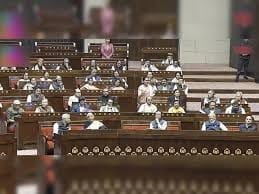
The Lok Sabha has recently passed the Industrial Relations Code (Amendment) Bill 2026, designed to prevent potential legal confusion stemming from the repeal of older labour laws that were replaced by the Industrial Relations Code of 2020. This amendment aims to reinforce legal certainty regarding the repeal and continuity provisions present in the Code, reigniting the broader discussion on labour reforms and rights within Indian politics and governance.
Key Takeaways
- The amendment seeks to clarify legal ambiguities regarding the repeal of previous labour laws.
- It aims to safeguard worker rights while promoting ease of doing business in India.
Additional Details
- Background:The Industrial Relations Code, 2020 consolidates India's labour laws, incorporating key legislations such as:
- The Trade Unions Act, 1926
- The Industrial Employment (Standing Orders) Act, 1946
- The Industrial Disputes Act, 1947
- Legal Clarity: While Section 104 of the 2020 Code provides for the repeal of older acts, concerns about improper delegation of repeal authority led to the amendment clarifying that the repeal was enacted by the operation of Section 104 itself.
- Government's Position: The Union Labour Minister defended the amendment as essential for labour welfare, arguing that it promotes minimum wages, appointment letters, equal pay, and transparency in labour relations.
- Opposition's Criticism: Critics argue that the amendments weaken job security and allow for easier dismissal of workers without adequate hiring processes, labeling the reforms as anti-labour.
- Challenges: Issues include a trust deficit among trade unions, the need for uniform enforcement across states, and potential judicial scrutiny regarding the constitutional implications of the amendments.
In conclusion, while the Industrial Relations Code (Amendment) Bill 2026 focuses on eliminating legal ambiguities concerning the repeal of older labour laws, the political contention surrounding it highlights ongoing anxieties about worker protections, job security, and the balance between capital and labour. The larger question remains how India will modernize its labour regime in a rapidly evolving economy, ensuring reforms lead to industrial harmony, social justice, and inclusive growth.
GS2/Polity
Death Penalty in India - Appellate Courts Correcting Trial Court Errors, but Structural Faultlines Persist
 Why in News?
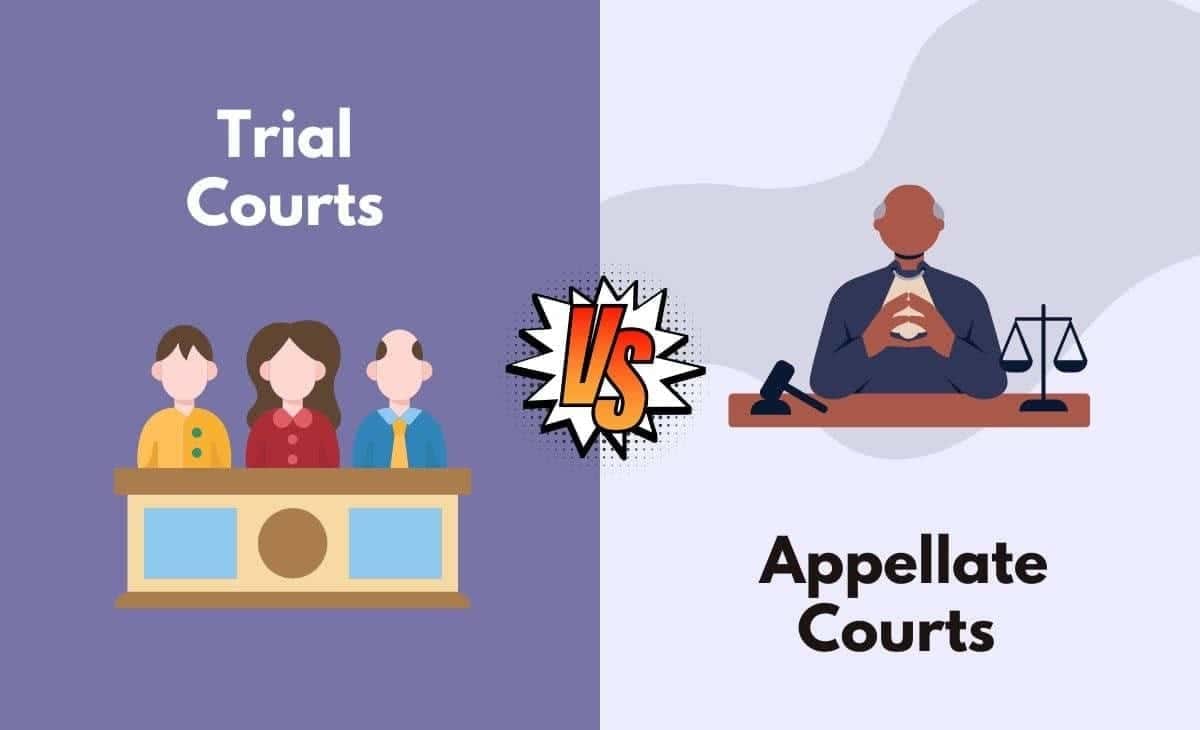
A decade-long study (2016-2025) conducted by the Square Circle Clinic, a criminal laws advocacy group associated with NALSAR University of Law (Hyderabad), has highlighted systemic flaws in the sentencing of death penalties in India. Despite trial courts awarding a high number of death sentences, appellate courts, including the High Courts and Supreme Court, have overturned, commuted, or acquitted a significant majority of these sentences. This trend points to numerous erroneous and unjustified convictions at the trial stage, raising important questions about criminal justice reform, due process, and capital punishment jurisprudence under Article 21 of the Indian Constitution.
Key Takeaways
- High disparity in sentencing between trial courts and appellate courts.
- Growing number of individuals on death row despite fewer sentences being confirmed.
- Judicial guidelines evolving to enhance due process in death penalty cases.
Additional Details
- Death Penalty Definition: It is a legal punishment reserved for heinous crimes (such as murder, gang rape of minors under 18, and terrorism-related offenses), applicable only in the "rarest of rare" cases as defined under the IPC and CrPC.
- Confirmation and Appellate Review: A death sentence imposed by a Sessions Court must receive confirmation from the High Court, and convicts have the right to appeal to the Supreme Court.
- Exceptions to Death Penalty: It cannot be imposed on individuals under 18 at the time of the offense, and pregnant women generally cannot be executed.
- Bharatiya Nyaya Sanhita (BNS), 2023: This legislation retains the death penalty for heinous crimes, limited to "rarest of rare" cases only.
- Constitutional Aspects: The death penalty is not considered inherently unconstitutional if the procedure followed is fair, just, and reasonable, as per Supreme Court interpretations.
- Clemency Powers: Article 72 grants the President the authority to grant pardons or commute sentences, including death sentences.
- Key Judicial Cases:
- Jagmohan Singh v. State of UP (1973): Upheld the constitutionality of the death penalty.
- Bachan Singh v. State of Punjab (1980): Established the "rarest of rare" doctrine.
- Machhi Singh v. State of Punjab (1983): Further refined guidelines for applying the "rarest of rare" rule.
- Mithu v. State of Punjab (1983): Declared mandatory death penalties unconstitutional.
The report reveals that wrongful convictions in death penalty cases are systemic rather than incidental, exposing deep structural flaws within India's criminal justice system. While higher courts have emerged as corrective institutions that uphold Articles 14 and 21, procedural lapses at the trial level and the unregulated rise of harsh alternative sentences necessitate urgent reforms. For a constitutional democracy, the legitimacy of capital punishment relies not only on legality but also on rigorous adherence to due process and fairness.
FAQs on Indian Polity and Governance - Current Affairs (February 2026)
| 1. What is the Urban Challenge Fund (UCF) and its significance? |  |
| 2. What is the Indian Scientific Service (ISS) and why is it proposed? | |
| 3. How does India's federal structure require a structural reset? | |
| 4. What are the implications of the recent focus on the Sabarimala case? | |
| 5. What are the key features of the Digital Personal Data Protection Act? | |





