|
INFINITY COURSE
EndocrinologyGaokaoedge Institute · Last updated on Apr 24, 2026 |
Endocrinology Study Material





Trending Courses for PLAB/UKMLA

Essential Endocrinology Topics for PLAB and UKMLA Preparation
Endocrinology is a critical subject for aspirants preparing for PLAB and UKMLA examinations. As an international medical graduate looking to secure GMC registration in the United Kingdom, mastering endocrinology concepts is non-negotiable. The transition from PLAB to UKMLA has made it essential for Indian doctors to stay updated with the latest clinical guidelines and management protocols used in UK medical practice.
The endocrinology syllabus covers a wide range of hormonal disorders affecting millions globally. From diabetes mellitus affecting lakhs of individuals to thyroid disorders and adrenal insufficiencies, understanding these conditions thoroughly will directly impact your examination performance. This comprehensive guide will help you navigate through essential endocrinology topics, clinical investigations, and management strategies.
To build a solid foundation in endocrinology physiology, start with understanding how endocrine glands function and secrete hormones. This foundational knowledge is absolutely crucial before diving into specific disease states and management protocols.
understanding how endocrine glands function and secrete hormones
Understanding Endocrine Physiology: Hormones and Glandular Functions
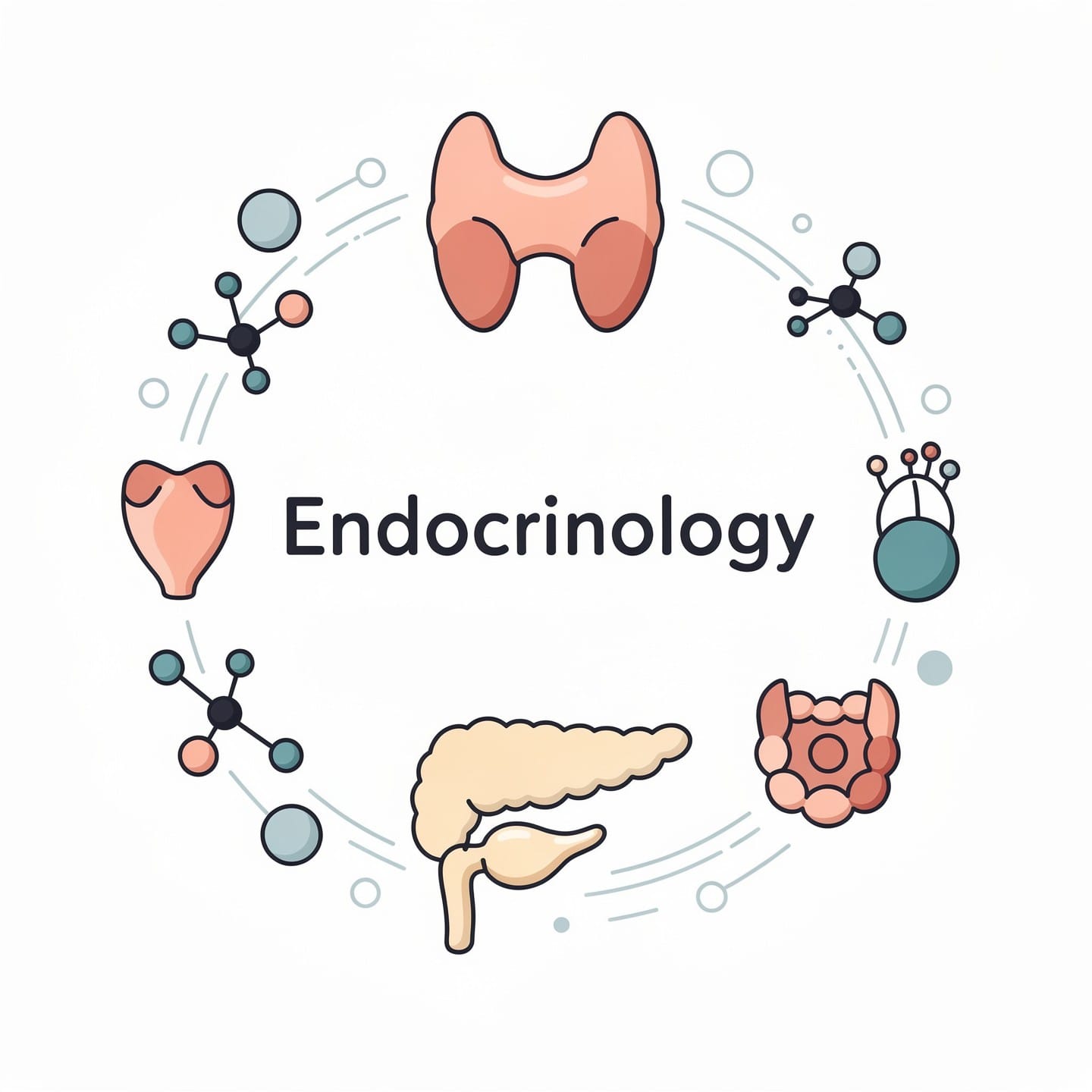
The endocrine system regulates bodily functions through hormone secretion from specialized glands. Understanding endocrinology physiology is fundamental for PLAB and UKMLA success. The major endocrine glands include the pituitary, thyroid, adrenal glands, pancreas, and parathyroid glands, each with distinct roles in maintaining homeostasis.
The Pituitary-Hypothalamic Axis
The anterior pituitary gland secretes multiple hormones controlled by the hypothalamus through releasing hormones. This neuroendocrine connection is vital for understanding hormonal imbalances and pituitary disorders. The posterior pituitary stores and releases antidiuretic hormone (ADH) and oxytocin, which are synthesized in the hypothalamus.
Thyroid Gland Function
The thyroid produces thyroxine (T4) and triiodothyronine (T3), which regulate metabolism, growth, and thermogenesis. Thyroid function tests, including TSH and free T4 measurements, are essential diagnostic tools in clinical practice. Dysfunction in this gland leads to hypothyroidism or hyperthyroidism, commonly tested in UKMLA examinations.
Pancreatic Endocrine Function
The pancreatic islets (Islets of Langerhans) contain beta cells producing insulin and alpha cells producing glucagon. This hormonal regulation of blood glucose is fundamental to understanding diabetes mellitus pathophysiology and management strategies.
Diabetes Mellitus: Diagnosis, Management, and Complications for UK Medical Exams
Diabetes mellitus remains one of the most frequently tested topics in PLAB endocrinology and UKMLA clinical assessments. Type 1 diabetes results from autoimmune destruction of pancreatic beta cells, while type 2 diabetes develops from insulin resistance. The diagnostic criteria are standardized: HbA1c ≥48 mmol/mol (6.5%), fasting glucose ≥7.0 mmol/L, or random glucose ≥11.1 mmol/L.
Type 1 Diabetes Management
Type 1 diabetes requires insulin therapy from diagnosis. Modern insulin management includes multiple daily injections or insulin pump therapy. Understanding basal-bolus regimens and insulin-to-carbohydrate ratios is essential for UKMLA diabetes management questions.
Type 2 Diabetes Treatment Approach
Type 2 diabetes management follows a stepwise approach. Metformin is the first-line medication for most patients, followed by additional agents if glycaemic control remains inadequate. SGLT2 inhibitors and GLP-1 receptor agonists are increasingly recommended, particularly for cardiovascular risk reduction.
Diabetic Emergencies
| Condition | Key Features | Management |
|---|---|---|
| Diabetic Ketoacidosis (DKA) | Hyperglycemia, ketosis, acidosis, Kussmaul breathing | IV insulin, fluid resuscitation, electrolyte correction |
| Hyperosmolar Hyperglycemic State (HHS) | Severe hyperglycemia without significant ketosis | IV fluids, slower insulin administration |
DKA management protocol involves IV insulin and aggressive fluid replacement, making this a high-yield PLAB topic. HHS typically occurs in type 2 diabetes with severe hyperglycemia and requires careful fluid balance management.
Diabetes Complications
Long-term diabetes complications include retinopathy, nephropathy, neuropathy, and cardiovascular disease. Screening protocols and preventive strategies are crucial examination content for UKMLA endocrinology assessments.
For detailed understanding of diabetic management protocols, explore our resource on comprehensive diabetes diagnosis and treatment approaches.
Thyroid Disorders: Hypothyroidism, Hyperthyroidism, and Thyroid Emergencies
Thyroid disorders are exceptionally common in clinical practice and frequently appear in PLAB examination questions. Hypothyroidism presents with fatigue, weight gain, cold intolerance, and bradycardia. Hyperthyroidism manifests as weight loss, heat intolerance, tremor, and tachycardia.
Diagnosing and Managing Hypothyroidism
Hypothyroidism diagnosis relies on elevated TSH with low free T4. Levothyroxine replacement is the standard treatment, with dose adjustments based on TSH levels. Hashimoto thyroiditis, an autoimmune condition, is the most common cause in iodine-sufficient regions.
Hyperthyroidism and Graves Disease
Graves disease, the most common cause of hyperthyroidism, results from TSH receptor antibodies. Treatment options include antithyroid drugs (propylthiouracil and carbimazole), beta-blockers for symptom control, and radioiodine therapy. Thyroid function tests showing suppressed TSH with elevated free T4 confirm the diagnosis.
Thyroid Storm Management
Thyroid storm represents a life-threatening endocrine emergency requiring immediate intervention. Management involves propylthiouracil or carbimazole administration, beta-blockers for symptom control, and corticosteroids to reduce hormone conversion. This topic is crucial for UKMLA endocrine emergencies preparation.
Adrenal Gland Disorders: Addison's Disease, Cushing's Syndrome, and Adrenal Crisis
Adrenal disorders significantly impact patient outcomes and frequently appear in PLAB endocrinology and UKMLA clinical scenarios. Addison's disease (primary adrenal insufficiency) presents with fatigue, hyperpigmentation, hypotension, and hyponatraemia.
Addison's Disease Diagnosis and Management
Addison's disease diagnosis involves demonstrating cortisol deficiency with elevated ACTH levels. Hydrocortisone replacement is essential, with additional fludrocortisone for mineralocorticoid replacement. Patients require higher doses during acute illness to prevent adrenal crisis.
Cushing Syndrome Etiology and Treatment
Cushing syndrome develops from excess cortisol due to pituitary adenomas, ectopic ACTH secretion, or adrenal tumours. Diagnostic testing includes 24-hour urinary cortisol and low-dose dexamethasone suppression tests. Treatment depends on underlying cause, ranging from surgical intervention to medical management with mitotane or ketoconazole.
Adrenal Crisis Management Protocol
Adrenal crisis requires emergency treatment with IV hydrocortisone 100mg followed by continuous infusion, alongside aggressive IV fluid resuscitation. This life-threatening condition demands immediate recognition and management-a key UKMLA assessment point.
Pituitary Disorders and Hormonal Imbalances in Clinical Practice
Pituitary disorders encompass hypopituitarism, acromegaly, prolactinoma, and diabetes insipidus. These conditions represent important UKMLA endocrinology topics with direct clinical relevance.
Hypopituitarism and Hormone Deficiencies
Hypopituitarism involves deficiency of one or more pituitary hormones. Causes include pituitary tumours, traumatic brain injury, and infiltrative diseases. Management requires hormone replacement tailored to specific deficiencies.
Acromegaly Diagnosis and Management
Acromegaly results from excess growth hormone, typically from a pituitary adenoma. Diagnosis involves elevated insulin-like growth factor 1 (IGF-1) with failure of growth hormone suppression during oral glucose tolerance testing. Treatment includes surgery, radiotherapy, or medical management with somatostatin analogues or growth hormone receptor antagonists.
Prolactinoma Treatment
Prolactinoma is the most common pituitary adenoma. Dopamine agonists like cabergoline and bromocriptine effectively manage most cases, with surgery reserved for resistant or compressive tumours. UKMLA examinations frequently test prolactinoma management protocols.
Endocrine Emergencies: DKA, HHS, Thyroid Storm, and Adrenal Crisis Management
Endocrine emergencies demand rapid recognition and appropriate management. These high-stakes clinical scenarios are integral to PLAB endocrinology preparation and UKMLA practical assessments.
Managing Diabetic Ketoacidosis
DKA management requires IV insulin infusion at 0.1 units/kg/hour, aggressive IV fluid replacement (0.9% saline), and electrolyte monitoring. Bicarbonate therapy is reserved for severe acidosis (pH <6.9). this="" represents="" a="" core="" plab="" 2="" endocrinology="">
Hyperosmolar Hyperglycemic State Protocol
HHS occurs predominantly in type 2 diabetes with severe hyperglycemia (>30 mmol/L) but minimal ketosis. Treatment emphasizes slower insulin titration and cautious fluid replacement to prevent cerebral oedema and hypokalaemia complications.
Hypercalcemic Crisis Management
Acute hypercalcemia presents with nausea, confusion, and potential cardiac arrhythmias. Management includes aggressive IV fluid resuscitation followed by bisphosphonates or denosumab for definitive treatment. Identifying and treating the underlying cause is essential.
Clinical Diagnosis and Investigations in Endocrinology
Accurate diagnosis in endocrinology relies on appropriate investigation selection and result interpretation. Understanding which tests to order and how to interpret results is fundamental for UKMLA clinical assessments.
Hormonal Assays and Timing
Many hormonal tests require specific timing. ACTH and cortisol show diurnal variation, with morning levels typically higher. Testosterone measurement requires early morning sampling. Understanding these nuances improves diagnostic accuracy.
Thyroid Function Test Interpretation
| TSH Level | Free T4 | Interpretation |
|---|---|---|
| Elevated | Low | Primary hypothyroidism |
| Low | High | Primary hyperthyroidism |
| Low | Low | Secondary hypothyroidism (pituitary/hypothalamic) |
Thyroid function tests form the foundation of endocrine diagnosis in clinical practice. Proper interpretation prevents diagnostic errors in PLAB and UKMLA examinations.
Medical and Surgical Management of Endocrine Conditions
Endocrine management involves pharmacological interventions, surgical procedures, and supportive care. Understanding when medical management suffices and when surgical intervention is necessary is crucial for UKMLA assessments.
For comprehensive details on surgical indications and management approaches, review our detailed section on surgical interventions in endocrinology. This resource covers thyroid surgery, adrenalectomy, and pituitary procedures with evidence-based indications.
Pharmacological Management
Most endocrine conditions respond well to medical therapy. Antithyroid medications, hormone replacements, and targeted agents form the primary management approach in primary and secondary care settings.
Surgical Indications
Surgery becomes necessary for compressive thyroid nodules, pituitary adenomas causing visual disturbances, and adrenal tumours with hormone excess. Understanding surgical indications prevents unnecessary procedures while ensuring appropriate intervention.
surgical interventions in endocrinology
Best Free Resources and PDF Notes for Endocrinology Revision
Quality study materials are essential for comprehensive endocrinology preparation. EduRev provides comprehensive chapters covering endocrinology physiology, diagnosis, and treatment protocols essential for PLAB and UKMLA success.
Access our free endocrinology notes and resources on endocrinology diagnosis and treatment protocols for detailed examination guidance. These materials align with current UK medical practice and UKMLA assessment standards.
endocrinology diagnosis and treatment protocols
Metabolic Syndrome and Obesity Management for Medical Licensing Exams
Metabolic syndrome, comprising central obesity, hypertension, dyslipidaemia, and insulin resistance, significantly increases cardiovascular risk. UKMLA examinations frequently assess candidates' knowledge of metabolic syndrome diagnosis and management strategies.
Obesity management involves lifestyle modifications as first-line therapy, pharmacological interventions (GLP-1 agonists, orlistat), and bariatric surgery for severe cases. Understanding the interplay between metabolic syndrome components and endocrine dysfunction is essential for comprehensive patient management.
Calcium Metabolism Disorders: Hypercalcemia and Hypocalcemia
Calcium metabolism disorders directly impact neuromuscular and cardiac function. Hypercalcemia, most commonly from primary hyperparathyroidism in outpatient settings, requires identification and treatment of underlying cause alongside symptom management.
Hypocalcemia results from hypoparathyroidism, vitamin D deficiency, or chronic kidney disease. Management involves calcium and vitamin D supplementation with dose titration based on serum levels and symptoms. These topics feature prominently in PLAB endocrinology and UKMLA clinical assessments.
Polycystic Ovary Syndrome (PCOS) and Reproductive Endocrinology
PCOS affects reproductive-aged women worldwide, presenting with irregular menstruation, hyperandrogenism, and polycystic ovaries on ultrasound. Diagnosis follows Rotterdam criteria, requiring two of three features: oligo/anovulation, clinical/biochemical hyperandrogenism, and polycystic ovarian morphology.
PCOS management includes lifestyle modifications as first-line therapy, combined oral contraceptives for cycle regulation, and metformin for insulin resistance and metabolic improvement. Understanding PCOS pathophysiology and management options is important for UKMLA endocrinology examinations, particularly regarding reproductive health.
Endocrinology for PLAB/UKMLA Exam Pattern 2026-2027
Endocrinology Exam Pattern for PLAB/UKMLA
The PLAB (Professional and Linguistic Assessments Board) and UKMLA (UK Medical Licensing Assessment) exams are crucial for international medical graduates wishing to practice in the UK. Understanding the exam pattern for endocrinology is essential for effective preparation. Here's a breakdown of what to expect:
1. Exam Format
- Multiple-Choice Questions (MCQs): The exam consists of MCQs that assess knowledge across various topics, including endocrinology.
- Objective Structured Clinical Examination (OSCE): This part evaluates practical skills and clinical knowledge through simulated scenarios.
2. Topics Covered in Endocrinology
- Hormonal Regulation: Understanding the hypothalamic-pituitary axis and feedback mechanisms.
- Common Endocrine Disorders: Knowledge of diabetes mellitus, thyroid disorders, adrenal insufficiency, and more.
- Diagnostic Tests: Familiarity with lab tests and imaging studies relevant to endocrine conditions.
- Management Strategies: Treatment protocols and pharmacological therapies for endocrine diseases.
3. Scoring System
- Pass Mark: A minimum score is required to pass, which varies each year based on the exam's difficulty.
- Weightage: Different topics may carry different weightage, making some areas more critical than others.
4. Preparation Tips
- Study Resources: Utilize textbooks, online courses, and practice papers specifically focused on endocrinology.
- Mock Exams: Take practice tests to familiarize yourself with the exam format and time constraints.
- Group Studies: Collaborate with peers to discuss challenging topics and share insights.
5. Conclusion
Understanding the exam pattern for endocrinology in PLAB/UKMLA is vital for success. Focusing on the key areas outlined above will enhance your preparation and confidence for the exam.
This structured content will help readers quickly grasp the exam pattern related to endocrinology for the PLAB/UKMLA while making it visually appealing and easy to navigate.


Endocrinology Syllabus 2026-2027 PDF Download
PLAB/UKMLA Endocrinology Syllabus
The syllabus for PLAB/UKMLA Endocrinology encompasses various aspects of the endocrine system, including physiology, diagnosis and treatment, surgical considerations, and specific conditions such as diabetes. Below is a comprehensive outline of the key areas covered.
PLAB/UKMLA Endocrinology - How it Works (Physiology)
- Overview of the Endocrine System
- Definition and functions
- Major endocrine glands
- Hormonal regulation and feedback mechanisms
- Hormones and Their Functions
- Types of hormones: peptide, steroid, and amine
- Mechanism of hormone action
- Hormonal interactions and synergism
- Key Endocrine Pathways
- Hypothalamic-Pituitary Axis
- Thyroid hormone regulation
- Adrenal hormone synthesis and action
- Insulin and glucagon regulation
PLAB/UKMLA Endocrinology - Diagnosis & Treatment
- Diagnostic Methods
- Blood tests for hormone levels
- Imaging techniques (CT, MRI, ultrasound)
- Stimulation and suppression tests
- Treatment Approaches
- Pharmacological therapies
- Hormone replacement therapies
- Management of endocrine disorders
- Monitoring and Follow-Up
- Regular blood tests
- Management of complications
- Patient education and lifestyle modifications
PLAB/UKMLA Endocrinology - When Surgery is Needed
- Indications for Surgical Intervention
- Malignancies of endocrine glands
- Benign tumors (e.g., adenomas)
- Hyperparathyroidism and adrenal tumors
- Surgical Procedures
- Thyroidectomy
- Adrenalectomy
- Pituitary tumor resection
- Postoperative Care and Complications
- Monitoring for hormonal imbalances
- Management of surgical complications
- Long-term follow-up and care
PLAB/UKMLA Diabetes
- Types of Diabetes
- Type 1 Diabetes Mellitus
- Type 2 Diabetes Mellitus
- Gestational Diabetes
- Pathophysiology of Diabetes
- Insulin resistance and deficiency
- Metabolic syndrome
- Long-term complications
- Diagnosis of Diabetes
- Fasting blood glucose levels
- Oral glucose tolerance test
- HbA1c levels
- Management of Diabetes
- Diet and lifestyle modifications
- Oral hypoglycemic agents
- Insulin therapy
- Complications and Their Management
- Diabetic neuropathy
- Retinopathy
- Cardiovascular complications
This detailed syllabus incorporates essential aspects of PLAB/UKMLA Endocrinology, providing a structured approach to understanding the various facets of the endocrine system, diagnosis, treatment, surgical considerations, and specific conditions like diabetes.
This course is helpful for the following exams: PLAB/UKMLA
How to Prepare Endocrinology for PLAB/UKMLA?
How to Prepare Endocrinology for PLAB/UKMLA?
Preparing for the Endocrinology section of the PLAB/UKMLA can be challenging, but with a structured approach, you can enhance your understanding and performance. This article will outline effective strategies and resources offered by EduRev to help you succeed in this vital area of medicine.
Understand the Syllabus
The first step in your preparation is to familiarize yourself with the syllabus. The Endocrinology syllabus for PLAB/UKMLA covers various topics, including:
- Hormonal Regulation
- Metabolic Disorders
- Endocrine Glands and Their Functions
- Clinical Management of Endocrine Disorders
Make sure you have a comprehensive understanding of these topics to build a solid foundation.
Utilize EduRev Resources
EduRev offers a variety of resources specifically designed for PLAB/UKMLA preparation. Take advantage of:
- Video Lectures: Engaging videos that break down complex concepts in Endocrinology.
- Practice Questions: A vast array of MCQs to test your knowledge and application of Endocrinology concepts.
- Study Notes: Detailed notes summarizing key points, perfect for quick revisions.
Create a Study Schedule
A well-structured study schedule can greatly enhance your preparation for PLAB/UKMLA. Consider the following tips:
- Allocate Time Wisely: Dedicate specific hours each week to focus solely on Endocrinology.
- Mix Different Resources: Rotate between video lectures, reading materials, and practice questions from EduRev to keep your study sessions engaging.
- Regular Revisions: Schedule regular revision sessions to reinforce what you've learned.
Join Study Groups
Connecting with peers can provide additional support and motivation. Consider:
- Forming or Joining Study Groups: Collaborate with fellow PLAB/UKMLA candidates to discuss challenging Endocrinology topics.
- Engaging in Discussions: Share insights and quiz each other on key concepts to reinforce your understanding.
Practice Clinical Scenarios
Endocrinology often involves clinical applications, so it's essential to practice real-life scenarios. Use EduRev's resources to:
- Work on Case Studies: Analyze clinical cases involving endocrine disorders to apply your theoretical knowledge.
- Simulate Exam Conditions: Take timed quizzes to improve your time management skills, which will be crucial during the PLAB/UKMLA.
Stay Updated with Recent Guidelines
Endocrinology is a dynamic field, and staying updated is crucial. Make sure to:
- Follow Trusted Journals and Publications: Regularly read articles and updates on recent guidelines and advancements in Endocrinology.
- Incorporate Updates into Your Studies: Ensure your knowledge reflects the latest practices and recommendations.
Seek Feedback
Getting feedback on your progress can provide valuable insights. Consider:
- Mock Tests: Take practice exams offered by EduRev to assess your readiness for the PLAB/UKMLA.
- Review Mistakes: Analyze incorrect answers to identify areas where you need further improvement.
Conclusion
Preparing for Endocrinology for PLAB/UKMLA requires a strategic approach, and utilizing the resources from EduRev can significantly enhance your preparation. By understanding the syllabus, leveraging study materials, and engaging in active learning, you can boost your confidence and improve your chances of success in the exam. Remember, consistency is key, so stay committed to your study plan and make the most of the tools available to you.
Importance of Endocrinology for PLAB/UKMLA
Importance of Endocrinology Course for PLAB/UKMLA
The field of endocrinology plays a pivotal role in understanding various hormonal disorders and their impact on human health. For candidates preparing for the PLAB (Professional and Linguistic Assessments Board) and UKMLA (UK Medical Licensing Assessment), a solid foundation in endocrinology is essential. Here are several key reasons why undertaking an endocrinology course is crucial for your preparation:
1. Comprehensive Understanding of Hormonal Disorders
Endocrinology encompasses a wide range of topics, including:
- Diabetes Mellitus - Management and complications
- Thyroid Disorders - Hyperthyroidism and hypothyroidism
- Adrenal Disorders - Cushing's syndrome and Addison's disease
- Reproductive Endocrinology - PCOS, infertility, and menopause
2. Integration with Clinical Practice
Understanding endocrinology is vital for:
- Clinical Decision Making - Applying knowledge in real-world scenarios
- Patient Management - Tailoring treatment plans based on hormonal assessments
- Interdisciplinary Collaboration - Working with other specialists for holistic care
3. Essential for Examination Success
Endocrinology is a significant component of the PLAB and UKMLA exams, thus:
- High Yield Topics - Focus on frequently tested areas
- Practice Questions - Familiarize yourself with exam formats
- Confidence Building - Enhance your readiness for clinical scenarios
4. Up-to-Date Knowledge and Guidelines
The field is continually evolving, making it essential to stay informed about:
- New Research - Latest advancements in treatment and management
- Clinical Guidelines - Current best practices for patient care
- Emerging Trends - Innovations in endocrinology
5. Enhanced Patient Communication Skills
Effective communication is crucial in endocrinology, where:
- Patient Education - Explaining complex concepts in understandable terms
- Building Rapport - Establishing trust with patients managing chronic conditions
- Support Strategies - Offering guidance for lifestyle changes and treatment adherence
Conclusion
In summary, enrolling in an endocrinology course tailored for PLAB and UKMLA candidates is not only beneficial but essential. It equips you with the knowledge, skills, and confidence needed to excel in your examinations and future medical practice.
Endocrinology for PLAB/UKMLA FAQs

|
View your Course Analysis |

|

|
Create your own Test |
|



|
|
 Documents
 Tests
Tests
 Ratings


|
Explore Courses for PLAB/UKMLA exam
|

|


