


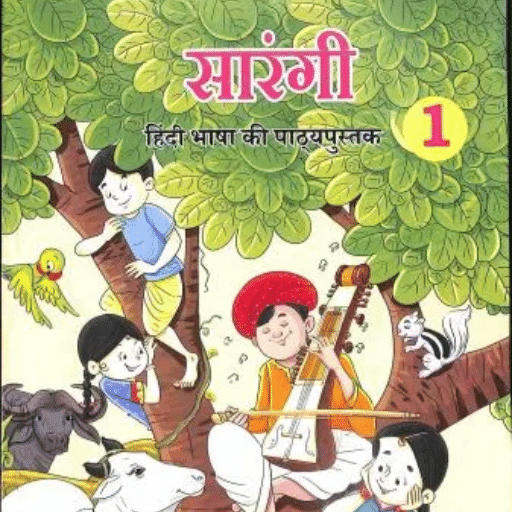
|
INFINITY COURSE
Hindi for Class 1 (सारंगी)22,604 students learning this week · Last updated on Mar 26, 2025 |
EduRev's Hindi for Class 1 (सारंगी) Course is designed to introduce young learners to the beautiful language of Hindi. This course is specifically tai
... view more
lored for Class 1 students, providing them with a comprehensive understanding of Hindi alphabets, words, and basic grammar. With engaging lessons and interactive activities, this course aims to make learning Hindi enjoyable and interactive for young learners. Join EduRev's Hindi for Class 1 (सारंगी) Course and watch your child develop a strong foundation in Hindi language skills.
Hindi for Class 1 (सारंगी) Study Material


Hindi for Class 1 (सारंगी) CBSE Exam Pattern 2025-2026
Hindi for Class 1 (सारंगी) Exam Pattern for Class 1
Introduction:
Hindi is an important subject that is taught in Class 1, and it forms the foundation for further language learning. The exam pattern for Hindi in Class 1 aims to assess the students' understanding of basic vocabulary, grammar, and comprehension skills.
Exam Pattern:
The exam pattern for Hindi in Class 1 (सारंगी) generally consists of the following components:
1. Vocabulary:
Students are required to have a basic understanding of Hindi vocabulary. This includes recognizing and identifying common words, objects, and their names in Hindi.
2. Grammar:
The grammar section tests the students' knowledge of basic sentence structure, tenses, and parts of speech. Students are expected to form simple sentences and answer questions based on grammar rules.
3. Comprehension:
Comprehension passages are given to evaluate the students' reading and understanding skills. The questions may include answering based on the passage, filling in the blanks, or identifying the correct answer.
4. Writing:
Students may be asked to write short sentences or paragraphs based on a given topic. This tests their ability to express themselves in Hindi and utilize the vocabulary and grammar concepts learned in class.
5. Listening:
Some exams may include a listening section where students have to listen to a conversation or a short audio clip and answer questions based on it. This assesses their listening skills and comprehension abilities.
Preparation Tips:
To excel in the Hindi exam for Class 1, students can follow these key pointers:
1. Regular Practice:
Consistent practice is crucial for learning any language. Students should practice Hindi regularly by reading, writing, and speaking in Hindi.
2. Vocabulary Building:
Learning new words and their meanings is essential. Students should focus on building their Hindi vocabulary by reading storybooks or using flashcards.
3. Grammar Practice:
Understanding basic grammar rules and applying them correctly is important. Students should practice forming sentences and identifying parts of speech.
4. Comprehension Exercises:
Reading Hindi passages and answering questions based on them helps improve comprehension skills. Students can practice by solving comprehension exercises regularly.
5. Listening Activities:
To enhance listening skills, students can listen to Hindi songs, watch Hindi videos, or engage in conversations with Hindi-speaking individuals.
By following these tips and understanding the exam pattern, students can confidently prepare for their Hindi exam in Class 1. Remember, regular practice and consistent efforts are the keys to success in language learning.


Hindi for Class 1 (सारंगी) Syllabus 2025-2026 PDF Download
Class 1 Hindi Syllabus (सारंगी)
1. Class 1 मीना का परिवार
- Introduction to the story of Mina and her family
- Vocabulary related to family members
- Reading and comprehension exercises
- Discussion on family values and relationships
2. Class 1 दादा-दादी
- Introduction to the story of grandparents
- Vocabulary related to grandparents and their role in a family
- Reading and comprehension exercises
- Discussion on the importance of grandparents in our lives
3. Class 1 रीना का दिन
- Introduction to the story of Reena's day
- Vocabulary related to daily routine activities
- Reading and comprehension exercises
- Discussion on the importance of a structured daily routine
4. Class 1 रानी भी
- Introduction to the story of Rani the cat
- Vocabulary related to animals and their characteristics
- Reading and comprehension exercises
- Discussion on animal behavior and characteristics
5. Class 1 मिठाई
- Introduction to the story of sweets
- Vocabulary related to different types of sweets
- Reading and comprehension exercises
- Discussion on the significance of sweets in Indian culture
6. Class 1 तीन साथी
- Introduction to the story of three friends
- Vocabulary related to friendship and companionship
- Reading and comprehension exercises
- Discussion on the qualities of a good friend
7. Class 1 वाह, मेरे घोड़े!
- Introduction to the story of a horse
- Vocabulary related to animals and their features
- Reading and comprehension exercises
- Discussion on different animals and their uses
8. Class 1 खतरे में साँप
- Introduction to the story of a snake in danger
- Vocabulary related to snakes and their habitats
- Reading and comprehension exercises
- Discussion on the importance of wildlife conservation
9. Class 1 आलू की सड़क
- Introduction to the story of a road made of potatoes
- Vocabulary related to vegetables and their uses
- Reading and comprehension exercises
- Discussion on the importance of vegetables in our diet
10. Class 1 झूलम-झूली
- Introduction to the story of a swing
- Vocabulary related to playground equipment
- Reading and comprehension exercises
- Discussion on the importance of outdoor play
11. Class 1 भुट्टे
- Introduction to the story of corn
- Vocabulary related to different types of corn
- Reading and comprehension exercises
- Discussion on the importance of agriculture
12. Class 1 फूली रोटी
- Introduction to the story of a puffed bread
- Vocabulary related to different types of bread
- Reading and comprehension exercises
- Discussion on different types of bread and their preparation
13. Class 1 मेला
- Introduction to the story of a fair
- Vocabulary related to fair and its elements
- Reading and comprehension exercises
- Discussion on the significance of fairs in Indian culture
14. Class 1 बरखा और मेघा
- Introduction to the story of rain and clouds
- Vocabulary related to weather elements
- Reading and comprehension exercises
- Discussion on the importance of rain in agriculture and nature
15. Class 1 होली
- Introduction to the story of Holi festival
- Vocabulary related to Holi celebrations and colors
- Reading and comprehension exercises
- Discussion on the cultural significance of Holi
16. Class 1 जन्मदिवस पर पेड़ लगाओ
- Introduction to the story of planting a tree on birthdays
- Vocabulary related to plants and trees
- Reading and comprehension exercises
- Discussion on the importance of tree plantation
17. Class 1 हवा
- Introduction to the story of air
- Vocabulary related to air and its properties
- Reading and comprehension exercises
- Discussion on the importance of clean air
18. Class 1 कितनी प्यारी है ये दुनिया
- Introduction to the story of the beautiful world
- Vocabulary related to nature and its elements
- Reading and comprehension exercises
- Discussion on the beauty of nature
19. Class 1 चाँद का बच्चा
- Introduction to the story of the moon's child
- Vocabulary related to celestial bodies
- Reading and comprehension exercises
- Discussion on the moon and its importance in our lives
1. Class 1 मीना का परिवार
- Introduction to the story of Mina and her family
- Vocabulary related to family members
- Reading and comprehension exercises
- Discussion on family values and relationships
2. Class 1 दादा-दादी
- Introduction to the story of grandparents
- Vocabulary related to grandparents and their role in a family
- Reading and comprehension exercises
- Discussion on the importance of grandparents in our lives
3. Class 1 रीना का दिन
- Introduction to the story of Reena's day
- Vocabulary related to daily routine activities
- Reading and comprehension exercises
- Discussion on the importance of a structured daily routine
4. Class 1 रानी भी
- Introduction to the story of Rani the cat
- Vocabulary related to animals and their characteristics
- Reading and comprehension exercises
- Discussion on animal behavior and characteristics
5. Class 1 मिठाई
- Introduction to the story of sweets
- Vocabulary related to different types of sweets
- Reading and comprehension exercises
- Discussion on the significance of sweets in Indian culture
6. Class 1 तीन साथी
- Introduction to the story of three friends
- Vocabulary related to friendship and companionship
- Reading and comprehension exercises
- Discussion on the qualities of a good friend
7. Class 1 वाह, मेरे घोड़े!
- Introduction to the story of a horse
- Vocabulary related to animals and their features
- Reading and comprehension exercises
- Discussion on different animals and their uses
8. Class 1 खतरे में साँप
- Introduction to the story of a snake in danger
- Vocabulary related to snakes and their habitats
- Reading and comprehension exercises
- Discussion on the importance of wildlife conservation
9. Class 1 आलू की सड़क
- Introduction to the story of a road made of potatoes
- Vocabulary related to vegetables and their uses
- Reading and comprehension exercises
- Discussion on the importance of vegetables in our diet
10. Class 1 झूलम-झूली
- Introduction to the story of a swing
- Vocabulary related to playground equipment
- Reading and comprehension exercises
- Discussion on the importance of outdoor play
11. Class 1 भुट्टे
- Introduction to the story of corn
- Vocabulary related to different types of corn
- Reading and comprehension exercises
- Discussion on the importance of agriculture
12. Class 1 फूली रोटी
- Introduction to the story of a puffed bread
- Vocabulary related to different types of bread
- Reading and comprehension exercises
- Discussion on different types of bread and their preparation
13. Class 1 मेला
- Introduction to the story of a fair
- Vocabulary related to fair and its elements
- Reading and comprehension exercises
- Discussion on the significance of fairs in Indian culture
14. Class 1 बरखा और मेघा
- Introduction to the story of rain and clouds
- Vocabulary related to weather elements
- Reading and comprehension exercises
- Discussion on the importance of rain in agriculture and nature
15. Class 1 होली
- Introduction to the story of Holi festival
- Vocabulary related to Holi celebrations and colors
- Reading and comprehension exercises
- Discussion on the cultural significance of Holi
16. Class 1 जन्मदिवस पर पेड़ लगाओ
- Introduction to the story of planting a tree on birthdays
- Vocabulary related to plants and trees
- Reading and comprehension exercises
- Discussion on the importance of tree plantation
17. Class 1 हवा
- Introduction to the story of air
- Vocabulary related to air and its properties
- Reading and comprehension exercises
- Discussion on the importance of clean air
18. Class 1 कितनी प्यारी है ये दुनिया
- Introduction to the story of the beautiful world
- Vocabulary related to nature and its elements
- Reading and comprehension exercises
- Discussion on the beauty of nature
19. Class 1 चाँद का बच्चा
- Introduction to the story of the moon's child
- Vocabulary related to celestial bodies
- Reading and comprehension exercises
- Discussion on the moon and its importance in our lives
This course is helpful for the following exams: Class 1
How to Prepare Hindi for Class 1 (सारंगी)?
How to Prepare Hindi for Class 1 (सारंगी) for Class 1?
Preparing for Hindi (सारंगी) in Class 1 can be an exciting and enriching experience. It not only helps in developing language skills but also fosters a deeper connection with the rich cultural heritage of India. EduRev offers a comprehensive course that is designed to make the learning process enjoyable and effective for young learners. Here are some key points to help you prepare for Hindi (सारंगी) in Class 1:
1. Introduction to Hindi (सारंगी):
Begin by familiarizing your child with the Hindi script and alphabets. Teach them to recognize and pronounce each letter correctly. Use fun activities and interactive tools to make the learning process engaging.
2. Building Vocabulary:
Expand your child's Hindi vocabulary by introducing them to common words and phrases. Focus on everyday objects, animals, fruits, vegetables, colors, and numbers. Use flashcards, picture books, and interactive games to reinforce the learning.
3. Listening and Speaking:
Encourage your child to listen to Hindi conversations and songs. Engage them in simple conversations in Hindi and practice basic greetings, introductions, and expressions. This will help in developing their listening and speaking skills.
4. Reading and Writing:
Introduce your child to simple Hindi stories, poems, and rhymes. Help them recognize and read Hindi words and sentences. Practice writing Hindi letters, words, and small sentences. Provide them with writing exercises and worksheets to enhance their writing skills.
5. Grammar and Sentence Formation:
Teach your child basic Hindi grammar rules such as nouns, pronouns, verbs, adjectives, and sentence structure. Help them form simple sentences in Hindi and encourage them to use these sentences in daily conversations.
6. Practice and Revision:
Regular practice is key to mastering Hindi (सारंगी). Set aside dedicated time each day for Hindi practice. Use EduRev's course material, worksheets, and practice exercises to reinforce concepts and assess your child's progress. Regular revision of previously learned topics is essential for long-term retention.
7. Interactive Learning:
Make use of interactive tools, videos, and online resources to make the learning process more engaging and interactive. EduRev's course provides a range of multimedia resources that can enhance your child's learning experience.
8. Parental Involvement:
Parents play a crucial role in supporting their child's Hindi learning journey. Show interest, encourage, and actively participate in their Hindi learning activities. Provide them with a positive learning environment and be their guide and mentor throughout the process.
By following these key points and using EduRev's course material, you can help your child develop a strong foundation in Hindi (सारंगी) from an early age. Remember, consistent practice, patience, and a positive attitude are essential for successful language learning.
Preparing for Hindi (सारंगी) in Class 1 can be an exciting and enriching experience. It not only helps in developing language skills but also fosters a deeper connection with the rich cultural heritage of India. EduRev offers a comprehensive course that is designed to make the learning process enjoyable and effective for young learners. Here are some key points to help you prepare for Hindi (सारंगी) in Class 1:
1. Introduction to Hindi (सारंगी):
Begin by familiarizing your child with the Hindi script and alphabets. Teach them to recognize and pronounce each letter correctly. Use fun activities and interactive tools to make the learning process engaging.
2. Building Vocabulary:
Expand your child's Hindi vocabulary by introducing them to common words and phrases. Focus on everyday objects, animals, fruits, vegetables, colors, and numbers. Use flashcards, picture books, and interactive games to reinforce the learning.
3. Listening and Speaking:
Encourage your child to listen to Hindi conversations and songs. Engage them in simple conversations in Hindi and practice basic greetings, introductions, and expressions. This will help in developing their listening and speaking skills.
4. Reading and Writing:
Introduce your child to simple Hindi stories, poems, and rhymes. Help them recognize and read Hindi words and sentences. Practice writing Hindi letters, words, and small sentences. Provide them with writing exercises and worksheets to enhance their writing skills.
5. Grammar and Sentence Formation:
Teach your child basic Hindi grammar rules such as nouns, pronouns, verbs, adjectives, and sentence structure. Help them form simple sentences in Hindi and encourage them to use these sentences in daily conversations.
6. Practice and Revision:
Regular practice is key to mastering Hindi (सारंगी). Set aside dedicated time each day for Hindi practice. Use EduRev's course material, worksheets, and practice exercises to reinforce concepts and assess your child's progress. Regular revision of previously learned topics is essential for long-term retention.
7. Interactive Learning:
Make use of interactive tools, videos, and online resources to make the learning process more engaging and interactive. EduRev's course provides a range of multimedia resources that can enhance your child's learning experience.
8. Parental Involvement:
Parents play a crucial role in supporting their child's Hindi learning journey. Show interest, encourage, and actively participate in their Hindi learning activities. Provide them with a positive learning environment and be their guide and mentor throughout the process.
By following these key points and using EduRev's course material, you can help your child develop a strong foundation in Hindi (सारंगी) from an early age. Remember, consistent practice, patience, and a positive attitude are essential for successful language learning.
Importance of Hindi for Class 1 (सारंगी)
Importance of Hindi for Class 1 (सारंगी) Course for Class 1
Hindi, as the national language of India, holds great significance in the lives of its citizens. Understanding the importance of Hindi for Class 1 students, EduRev offers the सारंगी course to provide a strong foundation in the language. This course aims to develop basic communication skills, reading abilities, and a love for the Hindi language among young learners.
Key Pointers:
1. Building Communication Skills: The सारंगी course focuses on enhancing the communication skills of Class 1 students in Hindi. By learning the language, students are able to express themselves, understand others, and engage in meaningful conversations. This skill is crucial for their overall development and future academic success.
2. Developing Reading Abilities: Hindi is written in the Devanagari script, which is unique to the language. Through the सारंगी course, Class 1 students learn to recognize, read, and write Hindi alphabets, words, and sentences. This enables them to comprehend Hindi texts, which is essential for their academic growth.
3. Cultural and National Identity: Hindi is not just a language but also an integral part of India's rich cultural heritage. Learning Hindi helps Class 1 students connect with their roots, understand their cultural identity, and appreciate the diversity of the country. It instills a sense of pride and belongingness among young learners.
4. Improved Cognitive Skills: Research suggests that learning multiple languages, including Hindi, at an early age enhances cognitive abilities in children. It improves memory, problem-solving skills, creativity, and overall brain development. The सारंगी course contributes to the holistic growth of Class 1 students.
5. Enhanced Career Opportunities: In today's globalized world, knowing Hindi opens doors to a wide range of career opportunities. It not only helps students communicate with a large Hindi-speaking population but also enables them to work in various fields such as translation, media, tourism, diplomacy, and more.
By enrolling in the सारंगी course offered by EduRev, Class 1 students can embark on a journey to learn Hindi in a fun, interactive, and effective manner. This course not only imparts language skills but also fosters a deep appreciation for the Hindi language and its cultural significance.
Hindi, as the national language of India, holds great significance in the lives of its citizens. Understanding the importance of Hindi for Class 1 students, EduRev offers the सारंगी course to provide a strong foundation in the language. This course aims to develop basic communication skills, reading abilities, and a love for the Hindi language among young learners.
Key Pointers:
1. Building Communication Skills: The सारंगी course focuses on enhancing the communication skills of Class 1 students in Hindi. By learning the language, students are able to express themselves, understand others, and engage in meaningful conversations. This skill is crucial for their overall development and future academic success.
2. Developing Reading Abilities: Hindi is written in the Devanagari script, which is unique to the language. Through the सारंगी course, Class 1 students learn to recognize, read, and write Hindi alphabets, words, and sentences. This enables them to comprehend Hindi texts, which is essential for their academic growth.
3. Cultural and National Identity: Hindi is not just a language but also an integral part of India's rich cultural heritage. Learning Hindi helps Class 1 students connect with their roots, understand their cultural identity, and appreciate the diversity of the country. It instills a sense of pride and belongingness among young learners.
4. Improved Cognitive Skills: Research suggests that learning multiple languages, including Hindi, at an early age enhances cognitive abilities in children. It improves memory, problem-solving skills, creativity, and overall brain development. The सारंगी course contributes to the holistic growth of Class 1 students.
5. Enhanced Career Opportunities: In today's globalized world, knowing Hindi opens doors to a wide range of career opportunities. It not only helps students communicate with a large Hindi-speaking population but also enables them to work in various fields such as translation, media, tourism, diplomacy, and more.
By enrolling in the सारंगी course offered by EduRev, Class 1 students can embark on a journey to learn Hindi in a fun, interactive, and effective manner. This course not only imparts language skills but also fosters a deep appreciation for the Hindi language and its cultural significance.
Hindi for Class 1 (सारंगी) FAQs
| 1. सारंगी क्या होती है? |  |
| 2. सारंगी का निर्माण कैसे होता है? | |
Ans. सारंगी में लकड़ी, तार, और मटेरियल का प्रयोग होता है। यह एक विशेष दक्षता का काम होता है और इसे कुशल कारीगर द्वारा ही निर्मित किया जा सकता है।
| 3. सारंगी की अवादानी कैसे होती है? | |
Ans. सारंगी की अवादानी के लिए एक विशेष तरीका होता है। तारों को तंग करने के बाद, उन्हें ध्यान से संरेखित किया जाता है ताकि वे सही ध्वनि उत्पन्न कर सकें।
| 4. सारंगी का इतिहास क्या है? | |
Ans. सारंगी का इतिहास काफी प्राचीन है। इसे बहुत समय से बजाया जा रहा है और इसका उपयोग भारतीय शास्त्रीय संगीत में किया जाता है।
| 5. सारंगी किस प्रकार से बजती है? | |
Ans. सारंगी को धागों के द्वारा बजाया जाता है। इसमें एक ध्वनि उत्पन्न होती है जो तारों की कसम के माध्यम से आती है।
| 6. सारंगी की संगीत पढ़ाई कैसे की जाती है? | |
Ans. सारंगी की संगीत पढ़ाई एक गुरु-शिष्य परंपरा में की जाती है। छात्र अपने गुरु के पास जाते हैं और उनसे संगीत का अभ्यास करते हैं।
| 7. सारंगी किस राग में प्रयोग होती है? | |
Ans. सारंगी विभिन्न रागों में प्रयोग होती है, जैसे कि यमन कल्याण, भैरवी, मरवा आदि।
| 8. सारंगी की सामग्री में कौन-कौन सी चीज़े शामिल होती हैं? | |
Ans. सारंगी की सामग्री में लकड़ी, तार, मटेरियल, सुतली, अद्यार, और मोची होती हैं।
| 9. सारंगी का उपयोग कितने संगीतों में होता है? | |
Ans. सारंगी का उपयोग विभिन्न संगीतों में होता है, जैसे कि भारतीय शास्त्रीय संगीत, लोक संगीत, और फ़िल्मी संगीत।
| 10. सारंगी को बजाने के लिए कौन-कौन सी उंगलियाँ प्रयोग की जाती हैं? | |
Ans. सारंगी को बजाने के लिए छाती की उँगलियाँ और दायें हाथ की उँगली प्रयोग की जाती हैं।
| 11. सारंगी बजाना सीखने के लिए कितना समय लगता है? | |
Ans. सारंगी बजाना सीखने के लिए, यह निर्भर करता है कि आपकी मेहनत और रियाज कितनी है। यह कठिनता के साथ एक दक्षता का काम है, इसलिए इसे सीखने में कुछ समय लग सकता है।
| 12. सारंगी में कितनी तारें होती हैं? | |
Ans. सारंगी में साधारणतया 4 तारें होती हैं, लेकिन कई संगीतगार भी इसमें जोड़े जा सकते हैं।
| 13. सारंगी को थार भी कहा जाता है? | |
Ans. हां, सारंगी को थार भी कहा जाता है। यह एक भारतीय संगीत यंत्र है जो लोगों द्वारा प्रयोग होता है।
Best Coaching for Hindi for Class 1 (सारंगी)
Looking for the best coaching for Hindi for Class 1? Look no further than EduRev, the leading online education platform that offers free, comprehensive coaching for Hindi language course for Class 1 students. With EduRev's online study material specifically designed for young learners, students can easily learn Hindi for Class 1 at their own pace and convenience. The platform provides a wide range of resources including downloadable PDFs, summaries of important chapters, Hindi lessons, worksheets, activities, vocabulary, grammar exercises, and much more. EduRev's Hindi curriculum for Class 1 covers all aspects of language learning such as speaking, reading, writing, and pronunciation. The platform is perfect for beginners and kids who are just starting to learn Hindi.
EduRev's easy Hindi course for Class 1 ensures that students grasp the language effortlessly, making it an enjoyable and interactive learning experience. The platform offers a wealth of learning materials specifically tailored for Class 1 students, adhering to the Hindi class 1 curriculum. All the resources provided on EduRev are of the highest quality, ensuring that students receive the best coaching possible. With EduRev's Hindi online course for Class 1, students can access their study materials anytime, anywhere, making it convenient for both students and parents. The platform also offers a comprehensive Hindi syllabus for Class 1, so students can stay organized and track their progress.
When it comes to Hindi learning resources for Class 1, EduRev stands out as the top choice. With their user-friendly app or website, students can easily navigate through the vast collection of study materials and access the Hindi textbook for Class 1. So, if you're looking for the best coaching for Hindi for Class 1, EduRev is the ultimate destination for young learners to excel in their Hindi language skills.
EduRev's easy Hindi course for Class 1 ensures that students grasp the language effortlessly, making it an enjoyable and interactive learning experience. The platform offers a wealth of learning materials specifically tailored for Class 1 students, adhering to the Hindi class 1 curriculum. All the resources provided on EduRev are of the highest quality, ensuring that students receive the best coaching possible. With EduRev's Hindi online course for Class 1, students can access their study materials anytime, anywhere, making it convenient for both students and parents. The platform also offers a comprehensive Hindi syllabus for Class 1, so students can stay organized and track their progress.
When it comes to Hindi learning resources for Class 1, EduRev stands out as the top choice. With their user-friendly app or website, students can easily navigate through the vast collection of study materials and access the Hindi textbook for Class 1. So, if you're looking for the best coaching for Hindi for Class 1, EduRev is the ultimate destination for young learners to excel in their Hindi language skills.
Tags related with Hindi for Class 1 (सारंगी)
Hindi for Class 1, सारंगी for Class 1, Hindi language course for Class 1, learn Hindi for Class 1, Hindi curriculum for Class 1, Hindi lessons for Class 1, Hindi worksheets for Class 1, Hindi activities for Class 1, Hindi vocabulary for Class 1, Hindi grammar for Class 1, Hindi speaking for Class 1, Hindi reading for Class 1, Hindi writing for Class 1, Hindi pronunciation for Class 1, Hindi for beginners, Hindi for kids, Hindi learning materials for Class 1, Hindi online course for Class 1, Hindi resources for Class 1, Hindi syllabus for Class 1, Hindi textbook for Class 1, easy Hindi course for Class 1, Hindi for young learners, Hindi class 1 curriculum.
Best Hindi for Class 1 (सारंगी) NCERT Solutions and Study Materials
Looking for the best Hindi for Class 1 (सारंगी) NCERT study materials and Hindi for Class 1 (सारंगी) NCERT Book solutions?
EduRev has got you covered! Our platform offers comprehensive Class 1 NCERT Solutions and NCERT Study Materials that
are tailored to fit the needs of Class 1 students. Our Hindi for Class 1 (सारंगी) NCERT Book Solutions are designed to
help students understand the concepts and improve their grasp on the subject. We provide step-by-step solutions to
all the questions in the Hindi for Class 1 (सारंगी) NCERT Tests, making it easy for students to follow along and grasp
the concepts. EduRev’s chapter-wise NCERT Solutions for Class 1 are comprehensive and designed by a team of
experienced teachers to cater to the learning needs of students. And the best part is - we offer
our Hindi for Class 1 (सारंगी) NCERT Solutions and Study Materials for free to students.
So, if you're looking for the best NCERT Book Solutions and Study Materials for Hindi for Class 1 (सारंगी),
look no further than EduRev. Our platform offers everything you need to excel in your studies and achieve your academic goals.
Course Description
Hindi for Class 1 (सारंगी) | CBSE, Videos, Docs, MCQs, NCERT Textbook & Solutions for Class 1 2025-2026 is part of Class 1 preparation. The notes and questions for Hindi for Class 1 (सारंगी) | CBSE, Videos, Docs, MCQs, NCERT Textbook & Solutions have been prepared
according to the Class 1 exam syllabus. Information about Hindi for Class 1 (सारंगी) | CBSE, Videos, Docs, MCQs, NCERT Textbook & Solutions covers all important topics for Class 1 2025-2026 Exam.
Find important definitions, questions, notes,examples, exercises test series, mock tests and Previous year questions (PYQs) below for
Hindi for Class 1 (सारंगी) | CBSE, Videos, Docs, MCQs, NCERT Textbook & Solutions.
Preparation for Hindi for Class 1 (सारंगी) | CBSE, Videos, Docs, MCQs, NCERT Textbook & Solutions in English is available as part of our Class 1 preparation & Hindi for Class 1 (सारंगी) | CBSE, Videos, Docs, MCQs, NCERT Textbook & Solutions in Hindi for Class 1 courses.
Download more important topics related with Hindi for Class 1 (सारंगी) | CBSE, Videos, Docs, MCQs, NCERT Textbook & Solutions, notes, lectures and mock test series for Class 1 Exam by signing up for free.
Course Speciality
Hindi for Class 1 (सारंगी)
Full Syllabus, Lectures & Tests to study Hindi for Class 1 (सारंगी) | CBSE, Videos, Docs, MCQs, NCERT Textbook & Solutions - Class 1 | Best Strategy to prepare for Hindi for Class 1 (सारंगी) | CBSE, Videos, Docs, MCQs, NCERT Textbook & Solutions | Free Course for Class 1 Exam


Course Options

|
View your Course Analysis |

|

|
Create your own Test |
|
Related Searches
Worksheet: मीना का परिवार - 2 , सारांश: चंदा मामा दूर के , मीना का परिवार , Worksheet Solutions: मीना का परिवार - 1 , NCERT Textbook: मीना का परिवार , Worksheet: मीना का परिवार - 1 , Flashcards: मीना का परिवार , NCERT Solutions: मीना का परिवार , Test: मीना का परिवार , चंदा मामा दूर के , PPT: चंदा मामा दूर के , Chapter Notes: मीना का परिवार , NCERT Solutions: Meena ka parivar (मीना का परिवार) , Mind Map: मीना का परिवार , Worksheet Solutions: मीना का परिवार - 2
Related Exams
|
|
Join course for Free
This course includes:

30+ Videos

120+ Documents

20+ Tests

4.67 (416+ ratings)
Plans starting @ ₹34/month

Get this course, and all other courses for Class 1 with EduRev Infinity Package.

|
Explore Courses for Class 1 exam
|

|
Signup to access this Course
Signup to see your scores go up within 7 days! Learn & Practice with 1000+ FREE Notes, Videos & Tests.
Course Speciality
Hindi for Class 1 (सारंगी)
Full Syllabus, Lectures & Tests to study Hindi for Class 1 (सारंगी) | CBSE, Videos, Docs, MCQs, NCERT Textbook & Solutions - Class 1 | Best Strategy to prepare for Hindi for Class 1 (सारंगी) | CBSE, Videos, Docs, MCQs, NCERT Textbook & Solutions | Free Course for Class 1 Exam


Additional Information about Hindi for Class 1 (सारंगी) for Class 1 Preparation
Hindi for Class 1 (सारंगी) Books
Hindi for Class 1 (सारंगी) Books is your ultimate resource for mastering the Class 1 Exam.
Get with a wide array of carefully selected books that cover every aspect of the Hindi for Class 1 (सारंगी) syllabus.
From in-depth subject knowledge to practice papers, our collection has it all.
Boost your confidence by attempting question papers and gain valuable insights from detailed paper analysis.
Prepare with precision using our mock tests, designed to simulate the real exam experience.
With Hindi for Class 1 (सारंगी) Class 1 Books, you'll have the best study material at your fingertips, ensuring your success in the Class 1 Exam.
Hindi for Class 1 (सारंगी) Notes PDF Download
Access the comprehensive Hindi for Class 1 (सारंगी) Notes for Class 1 Exam at EduRev.
Elevate your preparation with well-structured study material and concise notes.
Stay updated with the latest exam pattern and syllabus.
Prepare confidently with practice papers and question banks. Enhance your understanding through detailed paper analysis.
Get access to toppers' notes for valuable insights.
With Hindi for Class 1 (सारंगी) Notes PDF download, you can streamline your study and be well-prepared for the Class 1 Exam.
Achieve success with EduRev's trusted study resources and boost your scores effortlessly.
Hindi for Class 1 (सारंगी) Previous Year Papers
Hindi for Class 1 (सारंगी) Previous Year Papers from EduRev: Prepare for Class 1 exam with ease using our extensive collection of Previous Year Papers.
Access question papers, practice papers, and in-depth paper analysis to master the exam pattern and syllabus.
Stay updated on the exam date and results while practicing in your preferred language.
Whether you need preparation tips, best books, study material, or subject-specific syllabus, EduRev's official website has you covered.
Enhance your exam readiness with Toppers' notes and comprehensive videos.
Trust EduRev's Previous Year Papers for a successful Class 1 exam journey.
Important Questions for Hindi for Class 1 (सारंगी)
Important questions are crucial for acing your Class 1 exam.
Understanding the question pattern and types is essential for effective preparation.
Explore previous years' question papers to get a sense of the language and format used.
Practice papers are available to hone your skills and assess your progress.
Analyzing question trends can give you an edge during the exam. Our recommended books and study material cover all topics in the syllabus.
Additionally, coaching videos provide valuable insights. Stay updated on the official website for exam dates and results.
Prepare with confidence, as EduRev has got your question-related needs covered for Hindi for Class 1 (सारंगी) .
|
© EduRev
|
Education Revolution
|


|










Signup on EduRev and stay on top of your study goals
10M+ students crushing their study goals daily