CBSE Class 3  >  Class 3 Notes  >  Mathematics  >  Worksheet: Measurement

Worksheet: Measurement

Worksheet: Measurement

Q1: Cross (X) the containers which have capacity of less than a litre:

Worksheet: Measurement
Q2: A 1 l bottle is half full. How many millilitres are there in the bottle?

Q3: A Jug holds 350 ml and another jug holds 650 ml. How many total litres do the jugs hold?

Q4: How many 250 ml cups are needed to half fill a 2 l bottle?

Q5: Add:

  • 370 l + 195 l
  • 126 l + 478 l
  • 30 ml + 90 ml

Q6: Subtract:

  • 819 l - 406 l
  • 179 l - 86 l
  • 395 ml - 274 ml  

Q7: 2 l = ______ ml.

Q8: How many 500 ml mugs are needed to fill a 2 l bottle? ______

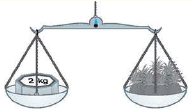
Q9: Fill in the blanks:

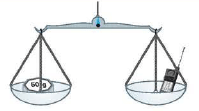
a) Weight of the mobile phone is ______ g.
Worksheet: Measurement

b) Weight of pineapples is ______ kg.Worksheet: Measurement

c) Weight of apples is ______ kg.
Worksheet: Measurement

Q10: Answer the following:

a) What should be added to 7 kilograms to make it 22 kilograms?

b) Weight of Deepak is 52 kg and weight of Sakshi is 37 kg. Who is heavier and by how much?

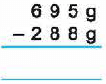
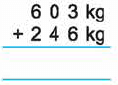
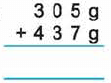
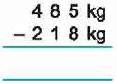
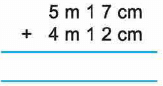
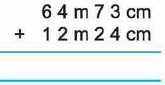
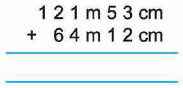
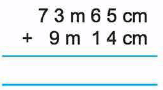
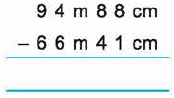
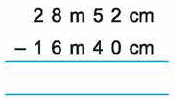
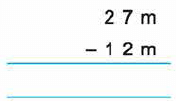
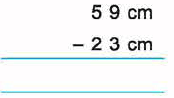
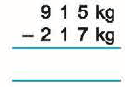
Q11: Add or subtract:

  • Worksheet: Measurement

  • Worksheet: Measurement

  • Worksheet: Measurement

  • Worksheet: Measurement

  • Worksheet: Measurement

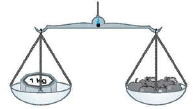
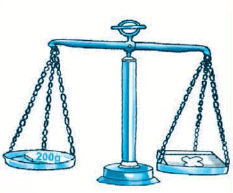
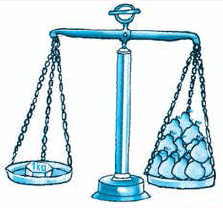
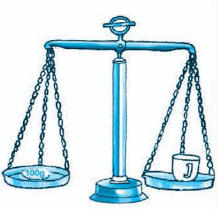
Q12: Observe and fill in the blanks:

a) Weight of the cup is ______ g.
Worksheet: Measurement

b) Weight of the book is ______ g.
Worksheet: Measurement

c) Weight of the pears ______ kg.
Worksheet: Measurement

Q13: Write down the lengths of the objects in the box:
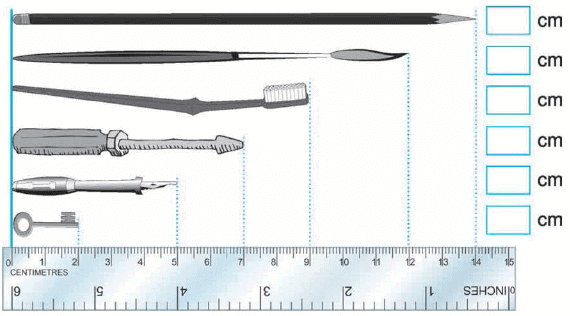
Worksheet: Measurement
Q14: Measure the lengths of the line segments and write their lengths in the blank space:

  • Worksheet: Measurement
    The length of the line segment EF is ______ cm.

  • Worksheet: Measurement
    The length of the line segment AB is ______ cm.

  • Worksheet: Measurement
    The length of AB = ______ cm.
    The length of BC = ______ cm.
    The length of CD = ______ cm.
    The length of AB + BC + CD = ______ cm.

Q15: Convert the following lengths into centimetres:

a) 8 m 21 cm

b) 21 m 6 cm

c) 105 m 92 cm

Q16: Convert the following lengths into centimetres:

a) 102 m

b) 46 m

c) 14 m

d) 4 m

e) 214 m

Q17: Add each of the following:
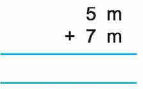

  • Worksheet: Measurement

  • Worksheet: Measurement

  • Worksheet: Measurement

  • Worksheet: Measurement

  • Worksheet: Measurement

Q18: Arrange in columns and add:

  • 34 m 53 cm and 27 m 12 cm
  • 103 m 8 cm and 78 m 51 cm
  • 11 m and 8 m

Q19: Subtract each of the following:
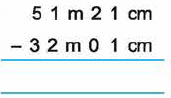

  • Worksheet: Measurement

  • Worksheet: Measurement

  • Worksheet: Measurement

  • Worksheet: Measurement

  • Worksheet: Measurement

Q20: A goods train is 232 m 55 cm long and a passenger train is 109 m 25 cm long. Which train is longer and by how much?

Q21: Ravi's brother bought 217 m 65 cm electric wire. He used 76 m 20 cm wire for electric fitting. How much of the wire was left with him?

Q22: Kirti is 1 m 48 cm tall. Her sister is 17 cm taller than her. Find the height of Kirti's sister.

You can access the solutions to this worksheet here.

The document Worksheet: Measurement is a part of the Class 3 Course Mathematics for Class 3.
All you need of Class 3 at this link: Class 3

FAQs on Worksheet: Measurement

1. How do I measure length and distance accurately using a ruler or measuring tape?
Ans. Length is measured by placing a ruler or measuring tape along a straight line from start to end point, reading the measurement where the object ends. Always align the zero mark with the starting point and check that the measuring instrument lies flat and straight. Common units for length include centimetres (cm) and metres (m). Students often make errors by not aligning the zero mark correctly, so ensure precision for accurate measurements in Class 3 CBSE worksheets.
2. What's the difference between measuring in centimetres and metres, and when should I use each one?
Ans. Centimetres measure smaller distances (like pencil length), while metres measure larger distances (like classroom width). One metre equals 100 centimetres. Use centimetres for objects smaller than a metre and metres for longer distances. Understanding unit conversion is essential for solving measurement problems in Class 3 mathematics worksheets. Practising with both units helps build confidence in selecting appropriate measurements.
3. How do I find the perimeter of a shape, and why is it important?
Ans. Perimeter is the total distance around a closed shape, calculated by adding all side lengths together. For rectangles, add length and width twice; for squares, multiply side length by four. Perimeter helps measure boundaries in real-world scenarios like fencing a garden. Mastering perimeter calculations strengthens problem-solving skills essential for Class 3 measurement assessments and geometry concepts.
4. Can I convert between different length units, and how do I do it correctly?
Ans. Unit conversion involves multiplying or dividing by standard conversion factors: one metre equals 100 centimetres, and one centimetre equals 10 millimetres. To convert metres to centimetres, multiply by 100; to convert centimetres to metres, divide by 100. Accuracy in conversion is crucial for measurement word problems. Students benefit from practising conversions using flashcards and visual worksheets available on EduRev to strengthen their numerical reasoning.
5. What common mistakes do students make when measuring objects on worksheets, and how can I avoid them?
Ans. Common errors include misaligning the zero mark, tilting the measuring tool, reading measurements at an angle, and confusing unit names. Always position rulers horizontally or vertically without bending, read values straight-on at eye level, and double-check unit labels before writing answers. Practising repeatedly with varied measurement tasks reduces careless errors and builds accuracy in Class 3 mathematics assessments.
Explore Courses for Class 3 exam
Get EduRev Notes directly in your Google search
Related Searches
Viva Questions, ppt, Semester Notes, Free, Extra Questions, Worksheet: Measurement, Sample Paper, Exam, Previous Year Questions with Solutions, Worksheet: Measurement, past year papers, Objective type Questions, study material, mock tests for examination, Important questions, pdf , MCQs, practice quizzes, shortcuts and tricks, Worksheet: Measurement, Summary, video lectures;