with EduRev
Humanities + CLAT syllabus


Study Material for Humanities + CLAT Syllabus


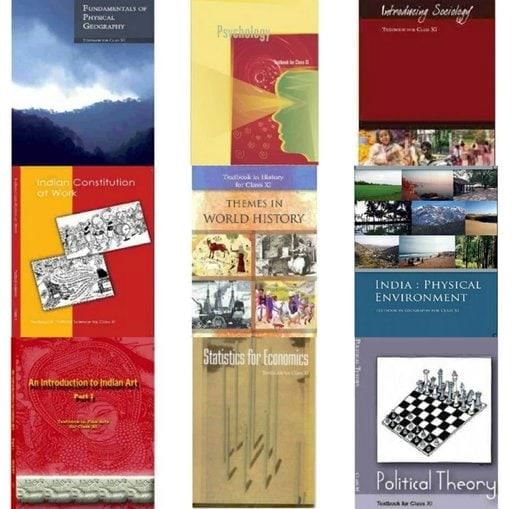

































































| Why students choose EduRev for their Humanities + CLAT Exam |
4.6
 (150K+ ratings)
|
 (150K+ ratings)






One subscription to unlock all
Humanities + CLAT Courses
View Pricing Plans
Starting @ $1 per month
|
|


Humanities + CLAT Exam preparation at EduRev
1. Humanities CLAT:
Humanities CLAT refers to the Common Law Admission Test specifically designed for students from the humanities stream. This entrance exam serves as a gateway for aspiring law students to secure admission into prestigious law colleges and universities in India. By focusing on subjects like history, political science, sociology, and economics, Humanities CLAT offers a unique opportunity for students interested in pursuing a legal career with a strong foundation in the humanities.
2. CLAT exam:
The CLAT exam, also known as the Common Law Admission Test, is a highly competitive entrance exam conducted annually. It is the gateway to some of the top law colleges and universities in India. The exam tests a candidate's aptitude in various areas such as English, mathematics, logical reasoning, legal aptitude, and general knowledge. Clearing the CLAT exam opens doors to numerous career opportunities in the field of law, making it a crucial step for aspiring law students.
3. Humanities entrance exam:
The humanities entrance exam is a specialized test designed for students interested in pursuing higher education in humanities subjects. This exam evaluates a candidate's knowledge and understanding of subjects such as history, literature, philosophy, sociology, and political science. It serves as a criterion for admission into renowned colleges and universities offering humanities courses. With its focus on critical thinking, analytical skills, and comprehensive knowledge, the humanities entrance exam paves the way for a rewarding academic journey in the humanities field.
4. CLAT preparation:
CLAT preparation is a crucial step for students aspiring to crack the Common Law Admission Test. A well-planned preparation strategy includes understanding the exam pattern, practicing mock tests, solving previous year question papers, and seeking guidance from experienced mentors. It is essential to cover all the subjects and topics included in the CLAT syllabus, along with honing time management and problem-solving skills. Effective CLAT preparation can significantly enhance a candidate's chances of securing admission into their desired law college or university.
5. Humanities CLAT syllabus:
The Humanities CLAT syllabus encompasses various subjects that form the foundation of a successful legal career. It includes topics like history, political science, sociology, economics, legal aptitude, English, mathematics, logical reasoning, and general knowledge. A thorough understanding of these subjects is vital for excelling in the CLAT exam. Aspiring law students from the humanities background should focus on these subjects, ensuring comprehensive coverage of the syllabus to maximize their chances of success.
6. CLAT mock tests:
CLAT mock tests play a crucial role in the preparation journey of aspiring law students. These practice tests simulate the actual CLAT exam environment and help students assess their performance. By attempting CLAT mock tests regularly, candidates can identify their strengths and weaknesses, improve time management skills, and get familiar with the exam pattern. Mock tests also enhance confidence and provide valuable insights into the areas that require further preparation, making them an indispensable tool for CLAT aspirants.
7. Humanities CLAT coaching:
Humanities CLAT coaching refers to specialized coaching programs designed to assist students from the humanities stream in their preparation for the Common Law Admission Test. These coaching institutes provide expert guidance, comprehensive study materials, and individual attention to help students navigate through the diverse subjects and topics included in the CLAT syllabus. Humanities CLAT coaching ensures that students have a structured approach to their preparation and are equipped with the necessary knowledge and skills to excel in the exam.
8. Best CLAT coaching for Humanities:
Choosing the best CLAT coaching for humanities can significantly impact a student's preparation journey and exam performance. The ideal coaching institute should have experienced faculty members with expertise in humanities subjects, a proven track record of success, comprehensive study materials, and a supportive learning environment. It should offer personalized attention, mock tests, and regular feedback to students, enabling them to develop a strong foundation in humanities and excel in the CLAT exam.
9. CLAT study materials for Humanities:
Effective study materials are essential for comprehensive preparation for the CLAT exam, especially for students from the humanities stream. The study materials should cover all the subjects and topics included in the CLAT syllabus, providing in-depth knowledge and conceptual clarity. These materials should include practice questions, solved examples, and explanations to help students grasp complex concepts. Access to quality study materials tailored to the needs of humanities students can significantly enhance their preparation and improve their chances of success in the CLAT exam.
10. Humanities CLAT online classes:
Humanities CLAT online classes offer a flexible and convenient mode of preparation for aspiring law students. These classes provide comprehensive coverage of the CLAT syllabus through live or recorded lectures, interactive sessions, doubt-solving forums, and online study materials. Online classes allow students to learn at their own pace, access resources from anywhere, and receive expert guidance from experienced faculty members. Humanities CLAT online classes are particularly beneficial for students who prefer self-paced learning or have geographical constraints.
11. CLAT previous year question papers:
CLAT previous year question papers serve as valuable resources for understanding the exam pattern, identifying important topics, and practicing with real exam-like questions. By solving previous year question papers, candidates can familiarize themselves with the structure and difficulty level of the CLAT exam. It helps in enhancing time management skills, improving accuracy, and gaining confidence. Analyzing and understanding the solutions to these papers can provide insights into the types of questions asked, enabling candidates to strategize their preparation accordingly.
12. Humanities CLAT eligibility criteria:
The Humanities CLAT eligibility criteria outline the requirements that aspiring law students from the humanities stream must fulfill to be eligible for the Common Law Admission Test. It typically includes criteria related to educational qualifications, age limits, and nationality. Candidates must carefully review the eligibility criteria specified by the conducting body to ensure they meet all the necessary requirements before applying for the exam.
13. CLAT exam pattern for Humanities:
The CLAT exam pattern for humanities students includes various sections designed to assess their aptitude and knowledge in different areas. It typically consists of subjects like English, mathematics, logical reasoning, legal aptitude, and general knowledge. Understanding the CLAT exam pattern helps candidates allocate time and resources for each section, devise effective strategies, and focus on their areas of strength. Familiarity with the exam pattern enables humanities students to approach the CLAT exam with confidence and maximize their overall performance.
14. Humanities CLAT colleges:
Humanities CLAT colleges are renowned institutions that offer law courses specifically tailored for students from the humanities stream. These colleges provide a comprehensive curriculum, experienced faculty members, and a supportive learning environment to nurture the legal acumen of humanities students. By enrolling in humanities CLAT colleges, students gain access to quality education, networking opportunities, and a platform to kickstart their legal careers.
15. CLAT cutoff for Humanities:
The CLAT cutoff for humanities refers to the minimum marks or rank required by candidates from the humanities stream to secure admission into prestigious law colleges and universities. The cutoff is determined based on various factors such as the difficulty level of the exam, the number of candidates appearing, and the availability of seats. Clearing the CLAT cutoff is crucial for humanities students as it determines their eligibility for admission into their desired law colleges and universities.
Humanities + CLAT Exam Pattern 2024-2025
Humanities + CLAT Syllabus 2024-2025 PDF Download
Humanities + CLAT Books
Humanities + CLAT Study Material and Notes PDF Download
Humanities + CLAT Previous Year Papers
Important Questions for Humanities + CLAT
|
© EduRev
|
Education Revolution
|


|