with EduRev
Humanities + Class 12 syllabus


Study Material for Humanities + Class 12 Syllabus























































| Why students choose EduRev for their Humanities + Class 12 Exam |
4.6
 (150K+ ratings)
|
 (150K+ ratings)





One subscription to unlock all
Humanities + Class 12 Courses
View Pricing Plans
Starting @ $1 per month
|
|


Humanities + Class 12 Exam preparation at EduRev
1. Humanities Class 12 syllabus:
The Humanities Class 12 syllabus is designed to provide students with a comprehensive understanding of various disciplines within the humanities. It includes subjects such as history, geography, political science, sociology, psychology, and economics. The syllabus covers a wide range of topics, including the study of societies, cultures, and their development over time. It also focuses on critical thinking, research skills, and analytical abilities, which are essential for higher education and future careers.
2. Humanities subjects:
The humanities subjects in Class 12 encompass a diverse range of disciplines that explore human culture, society, and individual behavior. These subjects include history, geography, political science, sociology, psychology, and economics. Each subject offers unique perspectives and insights into various aspects of human life, enabling students to develop a holistic understanding of the world around them. By studying these subjects, students gain valuable knowledge, critical thinking skills, and the ability to analyze complex issues from multiple viewpoints.
3. Humanities Class 12 notes:
Taking comprehensive and organized notes is crucial for success in Humanities Class 12. These notes serve as a valuable resource for revising and understanding key concepts. Effective note-taking involves actively listening to lectures, identifying important information, and summarizing it in a clear and concise manner. It is recommended to use headings, subheadings, and bullet points to organize the notes. Additionally, students can supplement their notes with diagrams, charts, and examples to enhance understanding and retention of the material.
4. Importance of Humanities Class 12:
Humanities Class 12 plays a vital role in shaping students' overall educational development. It helps them cultivate critical thinking, analytical skills, and a broader understanding of human society and culture. Studying humanities subjects fosters empathy, cultural sensitivity, and the ability to appreciate different perspectives. Furthermore, it equips students with essential research, writing, and communication skills, which are valuable in various career paths. Humanities Class 12 also encourages creativity, self-expression, and personal growth, making it a crucial component of a well-rounded education.
5. Humanities Class 12 books:
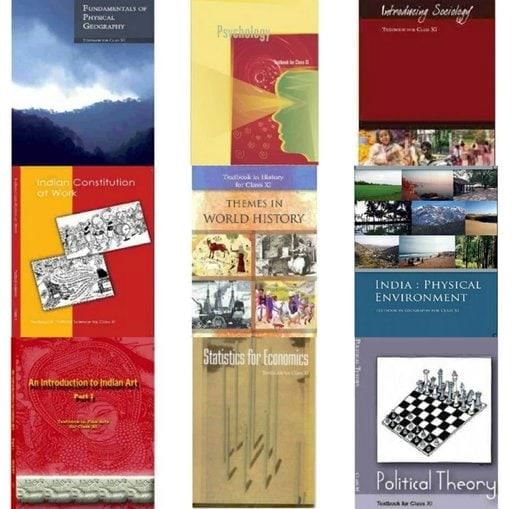
The selection of appropriate books for Humanities Class 12 is crucial for a comprehensive understanding of the subject matter. These books serve as primary resources for students, providing in-depth knowledge and insights into various humanities disciplines. The recommended books for Class 12 humanities subjects include textbooks prescribed by the education board, reference books written by renowned authors, and supplementary reading materials. It is important to choose books that align with the syllabus and cover the required topics in a clear and concise manner, facilitating effective learning and exam preparation.
(Note: Due to character limitations, the response will be continued in the next paragraph.)
6. Humanities Class 12 projects:
Undertaking projects in Humanities Class 12 enhances students' learning experience and allows them to explore specific topics in depth. These projects provide opportunities for research, critical analysis, and creative expression. Students can choose a project topic related to their humanities subject and conduct thorough research using primary and secondary sources. They can present their findings through presentations, reports, or creative projects such as artwork or performances. Engaging in projects allows students to develop independent thinking, problem-solving skills, and effective time management, all of which are valuable for their academic and professional growth.
7. Humanities Class 12 exam pattern:
Understanding the exam pattern for Humanities Class 12 is crucial for effective preparation and performance. The exam pattern typically includes a combination of theory-based questions, short-answer questions, long-answer questions, and essay-type questions. It is important to familiarize oneself with the weightage assigned to each section and allocate time accordingly during the exam. Additionally, practicing previous years' question papers and sample papers can provide insights into the type of questions asked and help students develop effective time management strategies. Being aware of the exam pattern enables students to approach the exam with confidence and perform to the best of their ability.
(Note: Due to character limitations, the response will be continued in the next paragraph.)
8. Humanities Class 12 sample papers:
Practicing sample papers for Humanities Class 12 is an essential part of exam preparation. These papers provide students with a simulated exam environment and help them assess their knowledge, speed, and accuracy. Solving sample papers allows students to familiarize themselves with the exam format, question types, and marking scheme. It also helps them identify their strengths and weaknesses, enabling them to focus on areas that require improvement. Regularly practicing sample papers enhances time management skills, boosts confidence, and improves performance in the actual exam.
9. Career options after Humanities Class 12:
Completing Class 12 with a humanities background opens up a wide range of career options for students. Some popular career paths include journalism, social work, teaching, law, public administration, psychology, and event management. Students can also pursue higher education in disciplines such as history, political science, sociology, economics, or psychology. Additionally, humanities graduates often possess transferable skills such as critical thinking, research, communication, and problem-solving, which are valued in various industries. Exploring internships, vocational courses, and mentorship programs can further enhance career prospects and provide practical experience in the chosen field.
10. Humanities Class 12 study material:
Having access to good study material is crucial for effective learning and exam preparation in Humanities Class 12. The study material can include textbooks prescribed by the education board, reference books, online resources, lecture notes, and supplementary reading materials. It is important to select study material that aligns with the syllabus, covers the required topics comprehensively, and presents information in a clear and structured manner. Creating a study schedule, organizing the material, and using techniques such as highlighting, summarizing, and self-quizzing can further enhance the learning process and retention of information.
Humanities + Class 12 Exam Pattern 2025-2026
Humanities + Class 12 Syllabus 2025-2026 PDF Download
Humanities + Class 12 Books
Humanities + Class 12 Study Material and Notes PDF Download
Humanities + Class 12 Previous Year Papers
Important Questions for Humanities + Class 12
|
© EduRev
|
Education Revolution
|


|






