Prepare for Humanities + UPSC
with EduRev
Humanities + UPSC syllabus


All Courses for Humanities + UPSC


Political Science Class 12
History Class 12
Legal Studies for Class 12
History Class 11
Political Science Class 11
CUET UG Mock Test Series 2026
Psychology Class 12
English Class 12
CUET Mock Test: Humanities Subjects 2026
Economics Class 12
Chapter Notes for Humanities
Geography Class 12
English Class 11
Psychology Class 11
Geography Class 11
Current Affairs & Hindu Analysis: Daily, Weekly & Monthly
1 Year Preparation for UPSC CSE
Crash Course for UPSC Aspirants
History for UPSC CSE
Indian Polity for UPSC CSE
CSAT Preparation
Lucent For GK
Indian Economy for UPSC CSE
Mock Test for UPSC Prelims 2026
Famous Books for UPSC Exam (Summary & Tests)
UPSC Mains Essay Preparation
Laxmikanth for Indian Polity: Summaries, MCQs & videos
Monthly Yojana & Kurukshetra Magazine (English)
Geography for UPSC CSE
Old & New NCERTs for IAS Preparation (Must Read)
Current Affairs: Daily, Weekly & Monthly
Legal Studies for Class 11
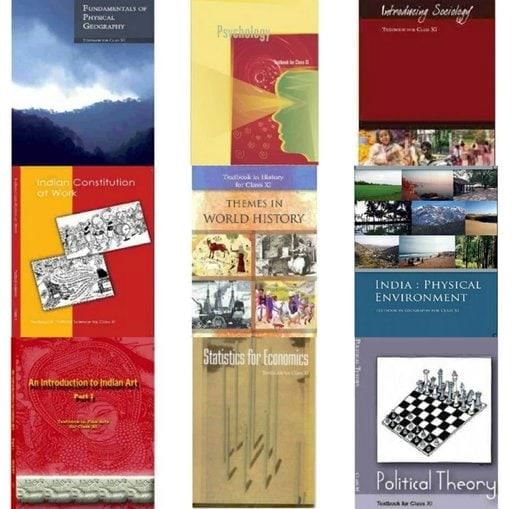
NCERT Books & Solutions for Humanities
General Test Preparation for CUET UG
Economics Class 11
Calligraphy Course: Beginner to Advanced
How to Study for CLAT
Fine Art for Class 12
Money Management for Students: Save, Budget & Spend Wisely
Sociology Class 12
Online MCQ Tests for Humanities
PPTs for Humanities
English Language Preparation for CUET UG
Crash Course for Humanities (Hinglish)
Geography Class 12 ICSE
History CUET Preparation
ChatGPT for Everything: How to Use ChatGPT?
Powerpoint: Become an Expert
Sociology Class 11
Class 11 English Woven Words
Worksheets for Humanities
Mathematics (Maths) Class 12
Psychology CUET UG Mock Test Series 2026
Polity Current Affairs Digest (Monthly)
CBSE Sample Papers for Class 12 Humanities
Psychology CUET Preparation
History Class 12 ICSE
Psychology 101: The Why Behind Everything You Do
Important Updates & Notifications for CUET
Daily Meditation Practices for Students
Informatics Practices for Class 12
Legal Studies CUET Preparation
Informatics Practices for Class 11
Physical Education Class 12(XII) - Notes & Model Test Papers
English Grammar Advanced
Subject-Wise Mind Maps for Humanities
Economics CUET Preparation
How to Speak with Confidence & Clarity in 6 Weeks
English Grammar Basic
Computer Science for Class 11
Class 11 English Grammar
How to become an Expert of MS Excel
Sociology CUET Preparation
Applied Mathematics for Class 12
C Programming for Beginners
CUET Previous Year Question Papers
Political Science CUET Preparation
How to become an Expert of MS Word
Home Science for Class 11
Computer Science for Class 12
Sample Papers for Class 11 Humanities
Improve Your Calculations: Vedic Maths (English)
Political Science Class 12 ICSE
Geography CUET UG Mock Test Series 2026
Economics Current Affairs Digest (Monthly)
Mathematics CUET Preparation
Geography CUET Preparation
Applied Mathematics for Class 11
Economics CUET UG Mock Test Series 2026
Piano Tutorials Course: Beginners to Advance
Chess Tutorial Course: Beginner to Advanced
History CUET UG Mock Test Series 2026
Physical Education CUET Preparation
Political Science CUET UG Mock Test Series 2026
How to prepare for Humanities
Sociology Class 12 ICSE
The Ultimate Guitar Course: From Beginner to Advanced
Psychology Class 12 ICSE
Class 12 English Grammar
RD Sharma Solutions Mathematics for Class 11 and Class 12
Computer Science CUET UG Mock Test Series 2026
IPMAT Mock Test Series
Sociology CUET UG Mock Test Series 2026
English Class 12 ICSE
Home Science for Class 12



































Main Subjects for Humanities + UPSC
Political Science Class 12
History Class 12
History Class 11
Political Science Class 11
Psychology Class 12
English Class 12
Economics Class 12
Geography Class 12
English Class 11
Psychology Class 11
Geography Class 11
Legal Studies for Class 11
Economics Class 11
Sociology Class 12
Sociology Class 11
Class 11 English Woven Words
Class 11 English Grammar
Class 12 English Grammar
Other Subjects for Humanities + UPSC
Legal Studies for Class 12
Fine Art for Class 12
Mathematics (Maths) Class 12
Informatics Practices for Class 12
Informatics Practices for Class 11
Physical Education Class 12(XII) - Notes & Model Test Papers
Computer Science for Class 11
Applied Mathematics for Class 12
Home Science for Class 11
Computer Science for Class 12
Applied Mathematics for Class 11
Home Science for Class 12
CUET for Humanities + UPSC
CUET UG Mock Test Series 2026
CUET Mock Test: Humanities Subjects 2026
General Test Preparation for CUET UG
English Language Preparation for CUET UG
History CUET Preparation
Psychology CUET UG Mock Test Series 2026
Psychology CUET Preparation
Important Updates & Notifications for CUET
Legal Studies CUET Preparation
Economics CUET Preparation
Sociology CUET Preparation
CUET Previous Year Question Papers
Political Science CUET Preparation
Geography CUET UG Mock Test Series 2026
Mathematics CUET Preparation
Geography CUET Preparation
Economics CUET UG Mock Test Series 2026
History CUET UG Mock Test Series 2026
Physical Education CUET Preparation
Political Science CUET UG Mock Test Series 2026
Computer Science CUET UG Mock Test Series 2026
Sociology CUET UG Mock Test Series 2026
Revision for Humanities + UPSC
Skill Building for Humanities + UPSC
Current Affairs: Daily, Weekly & Monthly
Calligraphy Course: Beginner to Advanced
Money Management for Students: Save, Budget & Spend Wisely
ChatGPT for Everything: How to Use ChatGPT?
Powerpoint: Become an Expert
Polity Current Affairs Digest (Monthly)
Psychology 101: The Why Behind Everything You Do
Daily Meditation Practices for Students
How to Speak with Confidence & Clarity in 6 Weeks
How to become an Expert of MS Excel
C Programming for Beginners
How to become an Expert of MS Word
Improve Your Calculations: Vedic Maths (English)
Economics Current Affairs Digest (Monthly)
Piano Tutorials Course: Beginners to Advance
Chess Tutorial Course: Beginner to Advanced
The Ultimate Guitar Course: From Beginner to Advanced
Strategy for Humanities + UPSC
Practice for Humanities + UPSC
ICSE for Humanities + UPSC
Grammar for Humanities + UPSC






| Why students choose EduRev for their Humanities + UPSC Exam | 4.6  (150K+ ratings) (150K+ ratings) |
 (150K+ ratings)

How to Prepare for UPSC CSE: A Complete Strategy Guide for Beginners and Aspirants
Every year, lakhs of students appear for the UPSC Civil Services Examination - one of India's most prestigious and competitive examinations. Whether you're a fresh graduate or someone restarting your preparation, having a clear UPSC preparation strategy from day one is what separates serious aspirants from the rest.
The UPSC CSE, conducted by the Union Public Service Commission (a constitutional body under Article 315 of the Indian Constitution), has three stages: Prelims, Mains, and Personality Test (Interview). Your journey begins with building a strong conceptual foundation - and that starts with NCERT textbooks from Classes 6 to 12. For a structured head start, explore EduRev's Crash Course for UPSC Aspirants or go deep with the comprehensive 1 Year Preparation for UPSC CSE plan.
- Start with NCERTs for History, Polity, Geography, and Economics
- Build a daily reading habit covering current affairs
- Revise consistently - one reading is never enough
- Attempt mock tests regularly to track your progress
Best Books and Study Resources for UPSC Exam Preparation
Choosing the right study material is half the battle won. UPSC toppers consistently recommend a focused booklist rather than reading everything available. Here are the most trusted resources for UPSC CSE preparation:
| Subject | Recommended Resource |
|---|---|
| Indian Polity | M. Laxmikanth + Indian Polity for UPSC CSE |
| History | Bipin Chandra + History for UPSC CSE |
| Indian Economy | Ramesh Singh + Indian Economy for UPSC CSE |
| Science & Technology | NCERTs + Science & Technology for UPSC CSE |
| General Knowledge | Lucent For GK |
Beyond standard books, EduRev's Famous Books for UPSC Exam (Summary & Tests) gives you concise summaries and practice questions from all major reference books - saving you significant revision time.
CUET Humanities Preparation: Subject-Wise Notes, Mock Tests, and Winning Strategy
CUET UG, conducted by NTA in Computer-Based Test (CBT) mode, is now the gateway to undergraduate admissions at central and many state universities. Humanities stream students can appear in domain subjects like History, Political Science, Psychology, Economics, Geography, and Legal Studies. A smart, subject-wise preparation approach is essential.
Start your CUET humanities preparation with these targeted EduRev resources:
- History CUET Preparation - covers ancient, medieval, and modern India
- Psychology CUET Preparation - ideal for students opting Psychology as a domain subject
- Economics CUET Preparation - macro and microeconomics concepts simplified
- Mathematics CUET Preparation - for students applying to programs needing math scores
Don't miss the CUET Mock Test: Humanities Subjects 2026 to simulate real exam conditions and identify weak areas before the actual test. Also keep checking Important Updates & Notifications for CUET to stay on top of NTA announcements.
Class 11 and Class 12 Humanities Study Material: Chapter Notes, PPTs, and Mind Maps
A strong Class 11 and Class 12 foundation is the backbone of both CUET UG success and long-term UPSC preparation. EduRev offers a rich library of study material specifically designed for Humanities students.
Subject-wise chapter notes and resources available on EduRev:
- History Class 12 and History Class 11
- Political Science Class 12 and Political Science Class 11
- Psychology Class 12 and Psychology Class 11
- Geography Class 12 and Geography Class 11
- Economics Class 12 and Economics Class 11
- English Class 12 and English Class 11
- Legal Studies for Class 12 and Legal Studies for Class 11
- Applied Mathematics for Class 12 and Fine Art for Class 12
For quick revision, check out Chapter Notes for Humanities, PPTs for Humanities, and Subject-Wise Mind Maps for Humanities. Practice with Online MCQ Tests for Humanities and Worksheets for Humanities to test your conceptual clarity.
Current Affairs for UPSC: How to Use Daily, Weekly, and Monthly Sources Effectively
Current affairs preparation is not just about reading the news - it's about connecting events to UPSC syllabus topics. The best source for current affairs for UPSC combines daily news analysis with monthly consolidation. Here's how to do it right:
- Read The Hindu daily and supplement it with EduRev's Current Affairs & Hindu Analysis: Daily, Weekly & Monthly
- Use Current Affairs: Daily, Weekly & Monthly for structured topic-wise coverage
- Review PIB (Press Information Bureau) Summary for government scheme updates
- Go through Monthly Yojana & Kurukshetra Magazine - Yojana covers welfare and policy, Kurukshetra focuses on rural and agricultural development
- Track Economics Current Affairs Digest (Monthly) for economy-related news relevant to GS Paper III
UPSC Mains Preparation: Essay Writing and Answer Writing Practice That Actually Works
Clearing UPSC Prelims is just the beginning. The Mains examination has 9 papers, with 7 counted toward merit - including the Essay paper and four General Studies papers. The Personality Test carries 275 marks. To score well, your answer writing must be structured, analytical, and factually grounded.
Use EduRev's UPSC Mains Essay Preparation to practice introduction frameworks, thematic structuring, and conclusion writing. Pair it with UPSC Mains Answer Writing Practice to get into the habit of writing time-bound, high-quality answers regularly. Consistent practice - not just reading - is what builds Mains rank.
Indian Polity, History, and Economy: Must-Cover Topics for UPSC CSE
These three subjects together form the core of UPSC GS Papers I and II. Aspirants who build deep conceptual clarity here gain a significant edge. Key areas to prioritise:
| Subject | Key Focus Areas |
|---|---|
| Indian Polity | Constitutional provisions, Parliament, Judiciary, Federalism, Local governance |
| History | Freedom struggle, Social reform movements, Post-independence consolidation |
| Indian Economy | Planning, Agriculture, Industry, External sector, Budget and fiscal policy |
EduRev's dedicated courses - Indian Polity for UPSC CSE, History for UPSC CSE, and Indian Economy for UPSC CSE - are structured to build both prelims and mains readiness across these subjects.
CSAT Preparation: Strategies to Clear UPSC Prelims Paper 2 with Confidence
CSAT (Civil Services Aptitude Test) is Paper II of UPSC Prelims. It tests comprehension, logical reasoning, analytical ability, and basic numeracy. Since it is qualifying in nature - with a minimum threshold of 33% - aspirants should prepare enough to clear it comfortably without over-investing time at the cost of GS Paper I.
EduRev's CSAT Preparation course covers all key areas with practice questions. Strengthen your English comprehension further with English Grammar Advanced. A focused 4-6 week effort on CSAT is typically sufficient for most aspirants.
How to Crack CUET UG: Mock Test Series, General Test Tips, and Subject-Wise Approach
Cracking CUET UG 2026 requires consistent subject-wise practice and regular mock testing. The General Test component covers general knowledge, current affairs, mental ability, and reasoning - making it crucial for students targeting programs across multiple universities.
- Take the CUET UG Mock Test Series 2026 to benchmark your preparation
- Master the General Test section with General Test Preparation for CUET UG
- Use the Crash Course for Humanities (Hinglish) for last-minute revision in a language that feels natural
Also build complementary skills - Psychology 101: The Why Behind Everything You Do is a great add-on for psychology domain students, while How to Speak with Confidence & Clarity in 6 Weeks helps during university admissions and group discussions. For smarter studying, try ChatGPT for Everything: How to Use ChatGPT? and manage your finances better during prep with Money Management for Students.
How to Study for CLAT: Smart Preparation Guide for Law Aspirants from Humanities
CLAT - conducted by the Consortium of National Law Universities - is the gateway to 5-year BA LLB programs at the top NLUs in India. Humanities students are naturally well-positioned for CLAT, given their exposure to history, political science, current affairs, and English.
EduRev's How to Study for CLAT course gives you a structured preparation roadmap. Complement your CLAT prep with strong current affairs habits using Current Affairs: Daily, Weekly & Monthly, and sharpen your GK base using Lucent For GK. Legal Studies students should also explore Legal Studies for Class 12 for foundational legal concepts that directly overlap with CLAT's legal reasoning section.
Whether your goal is UPSC, CUET, or CLAT, the right combination of structured notes, regular mock tests, and consistent revision on EduRev puts you firmly on the path to success.
Humanities + UPSC FAQs
| 1. What are the best topics to focus on for humanities stream UPSC preparation? |  |
| 2. How do I prepare for UPSC history optional if I'm from humanities background? | |
| 3. What's the difference between geography and history for UPSC humanities students? | |
| 4. Can I take philosophy as optional subject for UPSC if I studied humanities in school? | |
| 5. How many hours daily should I study humanities subjects for UPSC mains preparation? | |
| 6. What are the best NCERT books for humanities UPSC preparation? | |
| 7. How do I write better essays for UPSC mains if I'm a humanities student? | |
| 8. What current affairs topics should humanities UPSC candidates focus on? | |
| 9. Is sociology a good optional subject for UPSC if I'm from humanities stream? | |
| 10. How do I balance studying multiple humanities subjects without getting confused in UPSC prep? | |
 One subscription to unlock all Humanities + UPSC Courses View Pricing Plans Starting @ $1 per month | |


