Science and Technology: January to July 25


India Joins UN Panel on Big Data

Why in News?
India's recent induction into the United Nations Statistical Council (UNSC) has resulted in its membership in the United Nations Committee of Experts on Big Data and Data Science for Official Statistics (UN-CEBD). This development underscores India's increasing influence in the realm of global statistical frameworks.
Key Takeaways
- India is now a member of the UN-CEBD, enhancing its role in global statistics.
- The UN-CEBD was established to utilize big data and data science for improving official statistical systems.
Additional Details
- About UN-CEBD: This committee is a specialized body under the United Nations, formed in 2014. Its purpose is to harness big data and data science to strengthen global statistical systems.
- Members: The committee consists of 31 member states, including India, and 16 international organizations.
- Objectives:
- Investigate the role of big data in tracking progress toward Sustainable Development Goals (SDGs).
- Tackle challenges related to the use of non-traditional data sources for official statistics.
- Governance:
- Advisory Board: This board manages the UN-CEBD and meets approximately four times a year to review its work and offer strategic guidance.
- UN Bureau: This body oversees daily operations and administrative tasks.
- Key Functions:
- Strategic Coordination: Provides vision and direction for a global program using big data in official statistics, particularly for the 2030 Agenda for Sustainable Development.
- Promotion of Big Data Use: Encourages the practical application of big data and addresses associated challenges while leveraging existing frameworks.
- Capacity Building: Aims to enhance capabilities through training and technical assistance for member nations.
- Building Public Trust: Works to establish public confidence in the use of big data for official statistics.
What is Big Data?
Big data encompasses large and complex datasets that traditional data management systems struggle to efficiently store, process, or analyze. It enables improvements in processes, enhances decision-making, and fosters better product or service development.
India's Big Data Initiatives
- National Data & Analytics Platform (NDAP)
- Big Data Management Policy
- National Data Warehouse on Official Statistics
Drivers of Big Data:
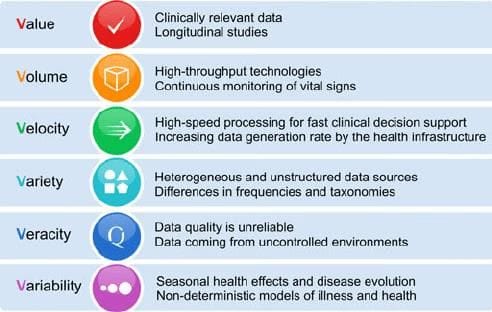
Applications of Big Data:
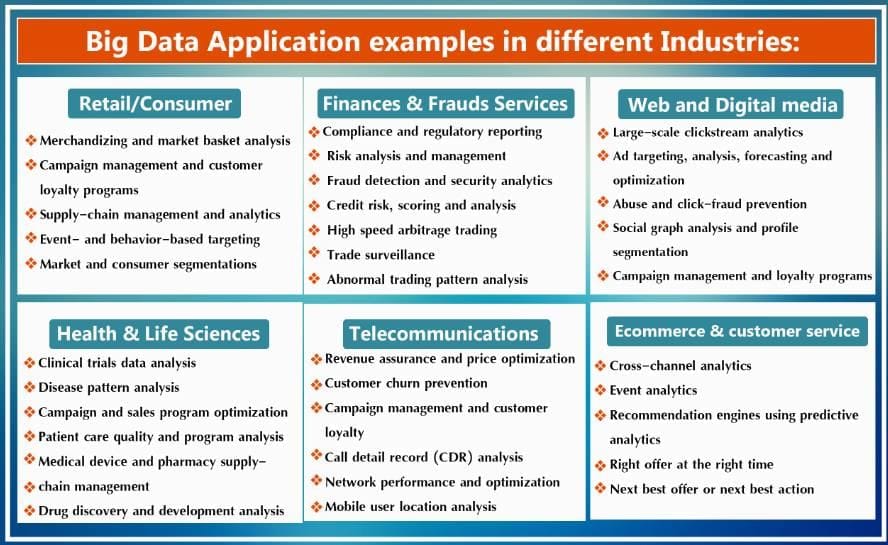
In summary, India's involvement in the UN-CEBD marks a significant step toward leveraging big data for enhancing its statistical systems and contributing to global data initiatives.
[Question: 1995514]
Genome India Project: Decoding India's Genetic Blueprint

Why in News?
The Genome India Project has recently gained attention as Prime Minister Narendra Modi announced the completion of the sequencing of the genomes of 10,000 Indians. This is viewed as a major milestone in India's biotechnology sector, with the sequencing data now accessible to researchers through the Indian Biological Data Centre (IBDC).
Key Takeaways
- The project aims to create a comprehensive catalogue of genetic variations within the Indian population.
- Access to the genomic data will facilitate advancements in personalized medicine and targeted therapies.
- The initiative seeks to identify genetic risk factors for chronic diseases prevalent in India.
Additional Details
- Genome Sequencing: This is the process of determining the complete DNA sequence of an organism's genome, crucial for understanding genetic information. The most common method used today is next-generation sequencing (NGS).
- Significance of the Project: The Genome India Project allows researchers to study genetic variants specific to Indian populations, which can lead to customized drug therapies and better understanding of diseases like diabetes, hypertension, and cancer.
- Data Security: The project includes a framework for data management ensuring privacy through anonymization and controlled access for research institutes.
In summary, the Genome India Project is a transformative initiative that will significantly enhance the understanding of genetic diversity in India, paving the way for advancements in tailored healthcare solutions for the Indian population.
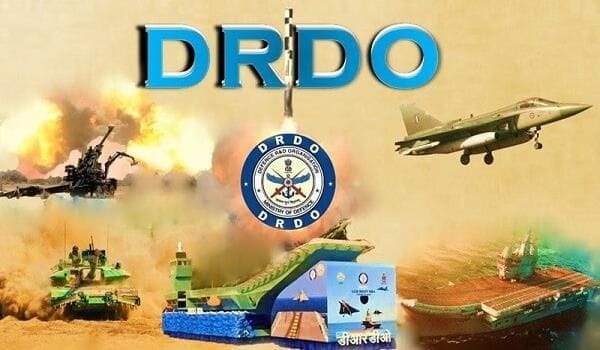
67th Foundation Day of DRDO
Why in News?
Recently, the Defence Research and Development Organisation (DRDO) celebrated its Foundation Day on 1st January and paid tributes to former President Dr. APJ Abdul Kalam, known as the Missile Man of India. The event highlighted the significant strides DRDO has made in bolstering India's defense capabilities.
Key Takeaways
- DRDO was established in 1958, merging several defense organizations.
- Currently operates 41 laboratories and 5 Young Scientist Laboratories.
- The guiding principle is "Balasya Mulam Vigyanam" (Strength lies in science).
- DRDO aims for self-reliance in defense technologies and systems.
Additional Details
- About DRDO: Established in 1958 by merging the Technical Development Establishment (TDEs) of the Indian Army, the Directorate of Technical Development and Production (DTDP), and the Defence Science Organisation (DSO).
- Technology Clusters: DRDO has seven technology domain-based clusters focusing on various defense technologies such as aeronautics, missiles, naval systems, and electronics.
- Key Achievements in 2024: Multiple advanced systems were handed over, including air defense systems and missile systems.
In summary, DRDO has played a pivotal role in enhancing India's defense capabilities and achieving self-reliance in critical technologies, particularly through initiatives like the Integrated Guided Missile Development Program (IGMDP) led by Dr. APJ Abdul Kalam.
[Question: 1995515]
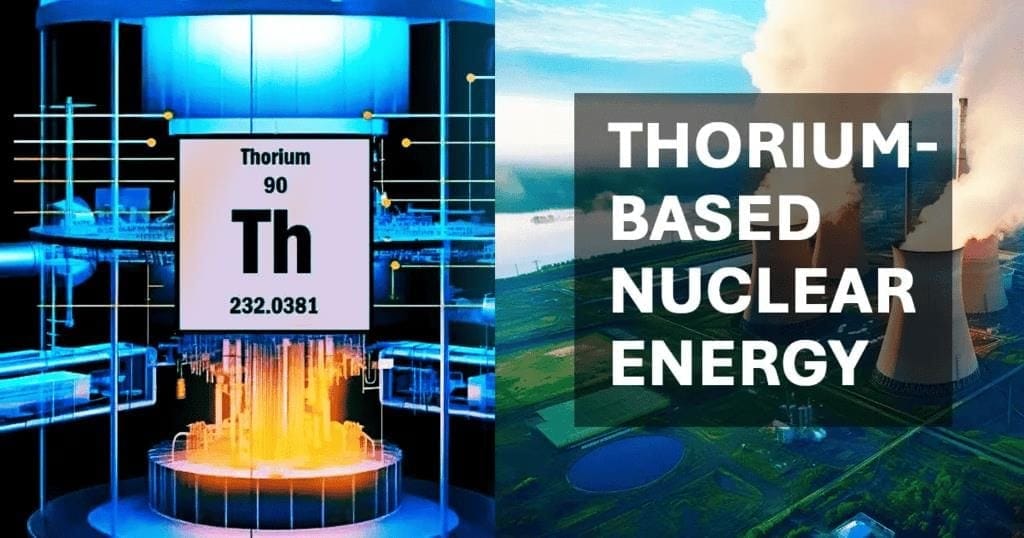
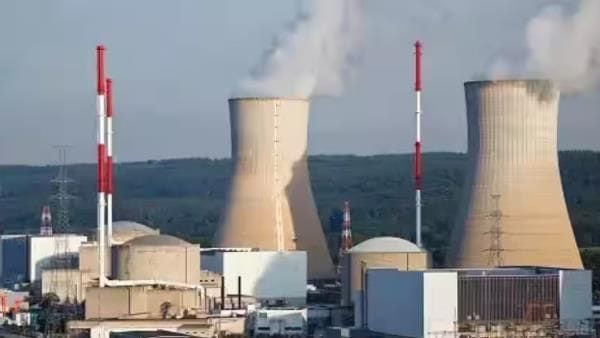
Thorium-based Nuclear Energy Production
Why in News?
India's largest power generator, National Thermal Power Corporation (NTPC) Limited, has recently signed a strategic agreement with US-based Clean Core Thorium Energy (CCTE) to explore the development and deployment of advanced nuclear energy for enriched life (ANEEL), utilizing thorium-based fuel. The ANEEL program involves pressurized heavy water reactors (PHWRs) and is part of India's long-term strategy to leverage its abundant thorium reserves in its three-stage nuclear power program.
Key Takeaways
- NTPC and CCTE are collaborating on thorium-based nuclear energy development.
- ANEEL is a patented nuclear fuel incorporating High Assay Low Enriched Uranium (HALEU).
- The Department of Atomic Energy (DAE) aims to integrate thorium into India's nuclear power framework.
Additional Details
- About ANEEL: ANEEL is a patented nuclear fuel that combines High Assay Low Enriched Uranium (HALEU), enriched between 5% and 20%, which is essential for many advanced reactor designs. Currently, HALEU is produced primarily in Russia and China, with limited production in the US.
- ANEEL fuel is compatible with existing PHWRs, which are integral to India's nuclear power infrastructure, consisting of 22 operational reactors with a total capacity of 6780 MWe.
- ANEEL provides an easier and quicker alternative for deploying thorium by leveraging imported HALEU, in contrast to India's traditional method of creating thorium blankets around uranium or plutonium reactors.
- Benefits: The ANEEL fuel boasts a burn-up efficiency of 60,000 MW-days per tonne, significantly reducing operational costs and waste volume in comparison to conventional natural uranium.
- Thorium and spent ANEEL fuel are non-weaponizable, alleviating proliferation concerns for international uranium suppliers.
- Economic and Environmental Impact: The use of ANEEL fuel aligns with India's clean energy goals and supports global commitments to enhance nuclear capacity.
- India's nuclear strategy, based on its three-stage program, aims to utilize abundant thorium reserves for sustainable energy generation. The collaboration with CCTE signifies a promising future for efficient, low-waste nuclear power.
- Despite challenges, thorium presents significant potential in addressing India's energy requirements.
Mains Question
Q: Discuss the significance of thorium-based nuclear reactors in India's energy strategy. How does the 3-stage nuclear power program align with this objective?
India as Global Hub For Data Centres
Why in News?
India's data centre sector is experiencing remarkable growth, with expectations to double its capacity by FY27. This expansion is largely fueled by factors such as digitalization, the integration of Artificial Intelligence (AI), the deployment of 5G, and the introduction of data localization laws. However, the sector faces challenges including infrastructure deficits, the necessity for sustainable energy solutions, and competition from international players like China.
Key Takeaways
- India's data centre capacity is projected to increase significantly, presenting vast growth opportunities.
- Challenges such as infrastructure constraints and regional disparities need addressing for sustainable growth.
- Key drivers for growth include digitalization, AI, 5G, and regulatory mandates.
Additional Details
- What are Data Centres: Data centres are specialized facilities designed to store, manage, and process substantial amounts of electronic data. They house critical Information Technology (IT) components, including servers, storage devices, and networking equipment, alongside systems for cooling, power supply, and security.
- Components of a Data Centre:
- Servers and Storage Systems: Handle workloads for hosting websites and cloud storage.
- Networking Equipment: Includes routers, switches, and firewalls for communication.
- Power Supply Systems: Ensures uninterrupted power with UPS and generators.
- Cooling Systems: Necessary to prevent overheating of servers through air conditioning or liquid cooling.
- Security Infrastructure: Encompasses both physical and cybersecurity measures to protect against data breaches.
- Current Status of Data Centres in India: India's data centre market is anticipated to grow from USD 4.5 billion in 2023 to USD 11.6 billion by 2032, indicating a CAGR of 10.98%.
- Geographical Distribution: Over 50% of India's data centre capacity is in Mumbai, with emerging hubs in Ahmedabad, Pune, and Vizag.
[Question: 1995516]
Wildfires in California
- The US government has declared a state of emergency in Los Angeles due to the rapid spread of wildfires, which have engulfed nearly 3,000 acres of land.
What are Wildfires?
- A wildfire is an uncontrolled fire that occurs in a natural area like a forest, grassland, or prairie.
- Wildfires can be caused by natural events, such as lightning and volcanic eruptions, or by human activities, such as unattended campfires, discarded cigarettes, arson, and slash-and-burn farming.
Factors Causing Wildfires
Anthropogenic Activities:
- Increased development near forested areas, known as the Wildland-Urban Interface (WUI), raises the risk of wildfires due to human activities.
- Careless actions such as illegal campfires, bonfires, or using fireworks during dry conditions contribute to fire risks.
- Additionally, the loss of forests reduces natural fire barriers, further increasing fire risk.
- Dry Winter: Southern California experiences minimal rainfall from October onwards, resulting in extremely dry vegetation that is highly susceptible to burning.
- Santa Ana Winds: These winds are common in California during this season, but this year they are exceptionally strong. When a fire ignites under these dry conditions, the powerful winds cause the flames to grow larger and spread more rapidly.
- Climate Change: Prolonged and more intense dry seasons increase the stress on vegetation due to lack of moisture, which worsens the risk of wildfires.
Impacts of Wildfires
- Toxic Pollutants: Wildfire smoke is laden with harmful pollutants such as PM2.5, NO₂, ozone, and aromatic hydrocarbons. These substances pose serious health risks, particularly respiratory and cardiovascular issues, for vulnerable populations.
- Climate Change Intensification: Wildfires contribute significantly to global warming by releasing large quantities of CO₂ and methane into the atmosphere.
- Social & Economic Losses: Wildfires lead to the destruction of property, infrastructure, and businesses. Communities located in wildfire-prone areas are often forced to evacuate, resulting in the loss of homes and livelihoods.
- Soil and Land Degradation: Wildfires disrupt soil ecosystems by destroying soil organisms and depleting organic matter. This results in increased soil erosion and the loss of fertile land.
Way Forward
- Enhanced Monitoring and Early Warning Systems: There is a need to expand the use of satellite technology and GIS (Geographic Information Systems) tools to improve the early detection and real-time monitoring of wildfires. For instance, the Forest Survey of India has developed VAN AGNI, a portal that provides alerts and real-time data on forest fires.
- Global Collaboration and Knowledge Sharing: Strengthening international cooperation is crucial for sharing data, research, and best practices in wildfire prevention and response. Forming partnerships between governments, non-governmental organizations (NGOs), and the private sector can facilitate coordinated efforts in fire management.
- Addressing Climate Change: Implementing policies aimed at combating climate change and reducing global temperatures is essential, as these factors contribute to prolonged fire seasons. Additionally, focusing on carbon sequestration strategies, such as forest conservation and reforestation, can help mitigate the long-term impacts of wildfires.
Sovereign AI
Why in News?
Denmark has become the latest country to actively pursue sovereign AI, in a bid to boost domestic research and competitiveness. Following this example and leveraging the momentum of Digital India, India's leadership will be instrumental in driving the nation's Sovereign AI ambition.
What is Sovereign AI?
- Sovereign AI refers to a nation's autonomous ability to develop, deploy, and regulate Artificial Intelligence (AI) technologies that align with its unique data, values, and governance priorities.
- It ensures national control over AI systems, protecting economic and national security interests while fostering innovation.
Key Features of Sovereign AI include:
- Self-reliance: Develops AI systems tailored to national requirements, ensuring minimal dependency on external technologies.
- National Security: Protects critical data and infrastructure from external threats or misuse.
- Cultural Alignment: Embeds a nation's values, language, and societal norms into AI frameworks.
- Global Competitiveness: Enhances economic growth and innovation through domestic AI capabilities.
About the Proposed AI Strategy for India (GovAI Private AI = Sovereign AI):
- India's proposed AI strategy focuses on leveraging Digital Public Infrastructure (DPI) like Aadhaar and UPI to develop GovAI (Government AI) for efficient and predictive public services.
- It emphasizes data sovereignty, transforming anonymized DPI data into AI training material while ensuring national control.
- The strategy promotes public-private collaboration to build domain-specific Small Language Models (SLMs) that evolve into advanced Large Language Models (LLMs).
- Skill development through Regional Centres of Excellence (RCoE) aims to create a robust AI talent pool.
- This strategy aligns with India's vision of becoming a global leader in trusted and inclusive AI, enhancing economic growth and national security.
India's Initiatives for Sovereign AI:
- India's initiative for Sovereign AI builds on its Digital India framework, leveraging platforms like Aadhaar, UPI, and DigiLocker to create GovAI (Government AI) for efficient public services.
- It utilizes DPI platforms such as Aadhaar, UPI, DigiLocker, and CoWIN.
Domain-Specific AI Models that India seeks to build:
- Builds Small Language Models (SLMs) for specific public service areas like education, healthcare, agriculture, and social welfare.
- SLMs evolve into Large Language Models (LLMs) for advanced, intersectional governance insights.
- The India Datasets Programme transforms anonymized data into resources for AI training while ensuring data sovereignty.
Einstein Ring

Why in News?
The European Space Agency's (ESA) Euclid space telescope has made a remarkable discovery of a rare Einstein ring surrounding the galaxy NGC 6505, which is located approximately 590 million light-years from Earth.
Key Takeaways
- An Einstein ring is a phenomenon where a ring of light is observed around a celestial object, such as dark matter, a galaxy, or a galaxy cluster.
- This optical illusion occurs when the observer (the Euclid telescope), the lensing object, and the background galaxy are nearly perfectly aligned.
Additional Details
- Gravitational Lensing: This phenomenon occurs when a massive celestial body, like a galaxy, creates a gravitational field that bends and amplifies the light from a more distant object behind it. This bending of light results in a complete ring around the foreground object, known as an Einstein ring.
- The object causing the light bending is referred to as a gravitational lens.
- First identified in 1987, Einstein rings are extremely rare, occurring in less than 1% of galaxies.
- The Einstein ring observed around NGC 6505 is formed by light from an unnamed galaxy located 4.42 billion light-years away, distorted by the gravitational influence of NGC 6505, resulting in a striking ring-like appearance.
- The term "Einstein ring" derives from Albert Einstein's General Theory of Relativity, which predicted that light could bend and brighten due to the gravitational pull of massive objects, effectively warping space-time.
- Einstein rings are not visible to the naked eye and can only be observed using powerful space telescopes.
- They serve as valuable tools in astrophysics, providing a unique way to study the Universe. They act as natural magnifying glasses, revealing details of distant galaxies that would otherwise remain invisible, and aiding in the investigation of dark energy, which is responsible for the accelerating expansion of the Universe.
In conclusion, the discovery of the Einstein ring around NGC 6505 not only highlights the capabilities of modern telescopes but also enhances our understanding of cosmic phenomena and the structure of the Universe.
Bombay Blood Group

Why in News?
Recently, a significant medical achievement was reported involving a 30-year-old woman who successfully underwent a kidney transplant in India. This patient has the extremely rare 'Bombay' (hh) blood group, highlighting the complexities of medical procedures involving rare blood types.
Key Takeaways
- The Bombay blood group, also known as HH, was first identified in Mumbai in 1952 by Y.M. Bhende.
- This blood group is distinguished by the absence of the H antigen, which is crucial for forming A and B antigens.
- Individuals with this blood group can only receive blood from other Bombay blood group donors, making blood transfusions and organ transplants particularly challenging.
- The prevalence of the Bombay blood group is approximately 0.0004% of the global population.
Additional Details
- Why is it Rare? The rarity of the Bombay blood group stems from a mutation or absence of the gene responsible for producing the H antigen. Consequently, individuals with this blood type do not have the A or B antigens, making them incompatible with standard blood types, including O-negative.
- The incidence of the Bombay blood group varies geographically, being one in four million globally, one in a million in Europe, and one in 10,000 in Mumbai.
In conclusion, the existence of the Bombay blood group poses unique challenges in medical scenarios, especially concerning blood transfusions and organ transplants. Awareness and understanding of this blood type are crucial for ensuring better healthcare outcomes for affected individuals.
[Question: 2063713]
Antibiotics Resistance
Why in News?
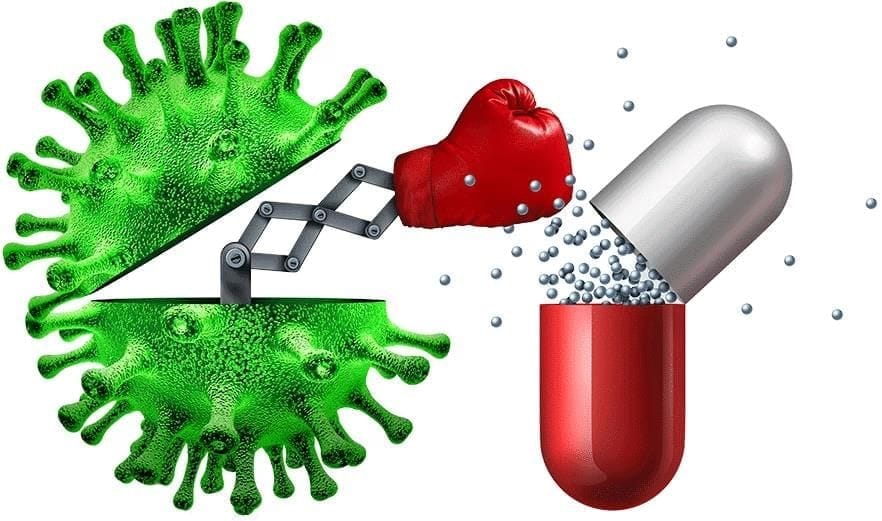
The growing use of antibiotics in healthcare settings has significantly contributed to the emergence of drug-resistant bacteria. In 2021, antimicrobial resistance (AMR) was responsible for approximately 1.2 million deaths worldwide. Reports from Indian hospitals indicate a concerning 13% mortality rate associated with infections caused by these drug-resistant organisms.
Key Takeaways
- Widespread antibiotic usage is leading to increased rates of drug resistance.
- AMR poses a serious health threat, causing millions of deaths globally.
Additional Details
- About Antibiotics: Antibiotics are medications designed to treat bacterial infections in both humans and animals. They work by either killing bacteria or inhibiting their growth and reproduction with minimal effects on human cells.
- Mechanism of Action: Antibiotics target specific bacterial structures or processes. For example, bacterial cells possess a protective cell wall made of peptidoglycan, which is essential for their survival. Antibiotics like Penicillin weaken these cell walls by disrupting peptide crosslinks, ultimately leading to bacterial death.
- Development of Antibiotic Resistance:Antibiotic resistance arises when bacteria undergo mutations or acquire resistance genes, making infections increasingly difficult to treat. They can evolve resistance through various mechanisms such as:
- Producing enzymes, like penicillinase, that break down antibiotic molecules.
- Altering their structural components to evade the effects of antibiotics.
- New Survival Strategy: Recent studies have shown that bacteria can adapt by compensating for lost functions, which enhances their resilience and makes combating antibiotic resistance even more challenging.
In conclusion, the rise of antibiotic resistance is a critical global health issue that requires urgent attention. Understanding the mechanisms behind resistance and the impact of antibiotic usage is vital for developing effective strategies to combat this growing threat.
Asteroid 2024 YR4

Why in News?
The National Aeronautics and Space Administration (NASA) has recently identified a near-Earth asteroid known as 2024 YR4, which poses a slightly over 1% chance of impacting Earth in 2032.
Key Takeaways
- The asteroid was detected in December 2024.
- It passed at a distance of 800,000 km from Earth, which is twice the distance to the Moon.
- 2024 YR4 remained observable until April 2025 and is expected to reappear in 2028.
- NASA has classified it as Level 3 on the Torino Scale, indicating potential for localized destruction if it impacts Earth.
- In the event of impact, it could release between 8 to 10 megatons of energy, significantly more than the 2013 Chelyabinsk meteor.
Additional Details
- What are Asteroids? Asteroids are rocky, airless remnants from the solar system's formation approximately 4.6 billion years ago, predominantly orbiting the Sun in the Asteroid Belt, with some having Earth-crossing paths.
- Categorization:
- Main Asteroid Belt: Located between Mars and Jupiter, this region has the majority of known asteroids.
- Trojans: Asteroids that share an orbit with a larger planet, residing near Lagrangian points (L4 and L5), where gravitational forces balance.
- Near-Earth Asteroids (NEAs): These asteroids have orbits that bring them close to Earth, with those that intersect Earth's orbit specifically termed Earth-crossers.
- Asteroid Collision Frequency:
- Small asteroids frequently burn up in the atmosphere, while larger ones occasionally reach the surface but rarely cause significant damage.
- Global-scale impacts, such as the Chicxulub event that led to the extinction of dinosaurs, occur approximately once every 260 million years.
- Planetary Defense: NASA and other space agencies are actively developing planetary defense strategies to prevent asteroid collisions. For instance, NASA's DART mission in 2022 successfully altered the trajectory of asteroid Dimorphous, demonstrating the potential for deflection strategies to mitigate future threats.
In conclusion, the identification and monitoring of asteroids like 2024 YR4 are crucial in assessing potential risks to Earth and advancing our planetary defense capabilities.
[Question: 2063714]
India's Nuclear Programme

Why in News?
The recent passing of the eminent physicist Dr. Rajagopala Chidambaram, who served as the former Chairman of the Atomic Energy Commission (AEC) and was a key architect of India's nuclear programme, has brought attention to the nation's nuclear initiatives.
Key Takeaways
- India's Nuclear Power Programme aims for sustainable energy production.
- The programme is structured in three stages, focusing on efficient resource utilization.
- Dr. Homi Bhabha was instrumental in formulating this nuclear initiative.
Additional Details
- Three-Stage Nuclear Power Programme: This initiative is designed to optimize India's nuclear resources while ensuring long-term energy security. It aims to utilize limited uranium resources and maximize the potential of thorium, which is more abundant in India.
- Stage 1: Focuses on generating electricity and producing plutonium-239 (Pu-239) as a byproduct using Uranium (U-238) as fuel and Heavy Water (D2O) as a moderator. India has constructed 18 Pressurized Heavy Water Reactors (PHWRs) as part of this foundational stage.
- Stage 2: Introduces Fast Breeder Reactors (FBRs) that generate more fissile material than they consume. This stage converts fertile uranium-238 into Mixed Oxide of Plutonium-239 and Uranium-238, enhancing the efficiency of the nuclear fuel cycle. The Prototype FBR at Kalpakkam, Tamil Nadu, is a notable development in this phase.
- Stage 3: Involves Thorium Reactors that utilize Thorium-232 to produce Uranium-233, a fissile material. This approach leverages India's abundant thorium reserves for a sustainable energy future. Research is ongoing with the development of the Advanced Heavy Water Reactor (AHWR) as part of this stage.
In conclusion, India's Nuclear Programme is a vital component of the nation's strategy for sustainable energy production and security, reflecting its commitment to utilizing its natural resources effectively.
In-Vitro Gametogenesis (IVG)
Why in News?
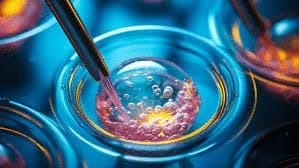
Researchers have developed In-Vitro Gametogenesis (IVG) that enables lab-based reproduction from stem cells that has many benefits compared to In-Vitro Fertilization (IVF).
What is In-Vitro Gametogenesis (IVG)?
- About: IVG is a new reproductive technology that creates eggs and sperm from stem cells collected from skin, hair, or blood.
- These lab-grown gametes can be fertilized to create an embryo, which is implanted into a surrogate to carry the pregnancy.
- Scientific Breakthroughs: Scientists in Japan successfully produced mice using IVG, while the UK researchers expect human trials within three years.
- It could allow same-sex couples, older individuals, and infertile people to have biological children without the need of a donor as in case of IVF.
Significance for India: Due to several socio-biological factors IVG can be helpful in case of India like:
- Indian women's reproductive age (ovarian function) is declining six years earlier than Western women.
- Men's sperm count has declined over 50 years and may reach minimal levels in four decades.
- India's population has fallen below the 2.1 replacement level, risking an aging crisis.
Difference Between IVG and In-Vitro Fertilisation (IVF):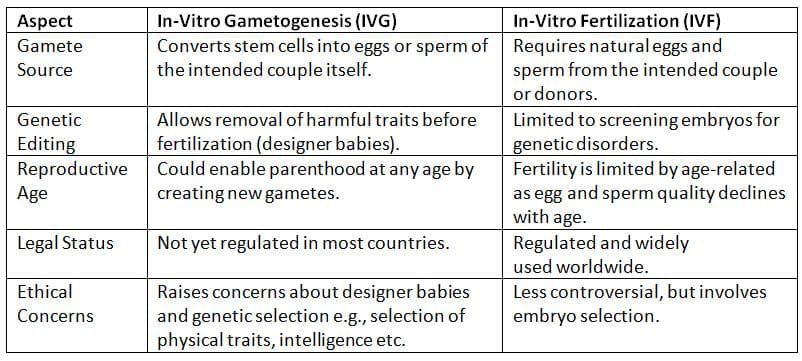
India's AI Revolution

Why in News?
India is experiencing a comprehensive transformation in Artificial Intelligence (AI), driven by proactive government policies under the IndiaAI Mission. This mission aligns with the broader vision of Viksit Bharat 2047, aiming to establish India as a global leader in AI.
How is India Emerging as a Global AI Powerhouse?
Strengthening AI Infrastructure:
- The government is building a high-performance computing facility with 18,693 GPUs, surpassing DeepSeek's capacity and reaching two-thirds of ChatGPT's scale.
- An Open GPU Marketplace enables affordable access to high-end computing for startups, students, and researchers.
- India is aiming to develop its own GPUs within 3-5 years to reduce reliance on imported technologies, including quantum chips.
- The IndiaAI Dataset Platform offers anonymized, high-quality datasets for AI research.
- AI Centres of Excellence (CoEs) have been launched in sectors like Healthcare, Agriculture, and Sustainable Cities. A new CoE for Education has received ₹500 crore in the 2025 Union Budget.
AI Skilling & Education:
- Five National AI Skilling Centres are being established to equip youth with AI industry skills in line with the "Make for India, Make for the World" initiative.
- The National Education Policy (NEP) 2020 incorporates AI education across all academic levels.
- India ranks #1 in Global AI Skill Penetration (Stanford AI Index 2024), with a 263% rise in AI talent since 2016 and a 14-fold increase in AI-skilled professionals (2016-2023).
- With around 520 tech incubators, India is now the 3rd largest startup ecosystem globally.
Development of Indigenous AI Models:
- BharatGen is the world's first government-funded multimodal LLM for public services.
- Sarvam-1 is a 2-billion parameter model supporting 10 Indian languages for content generation and translation.
- AI Kosha provides non-personal datasets to empower startups and researchers.
- Tools like Digital India BHASHINI and Chitralekha promote digital inclusivity through multilingual AI support.
AI Integration with Digital Public Infrastructure (DPI):
- AI is enhancing platforms like Aadhaar, UPI, and DigiLocker for better service delivery.
- Applications include AI-based crowd monitoring in railways and MuleHunter.AI, developed by the RBI to detect fraudulent bank accounts.
AI-Driven Economic Growth:
- 80% of Indian companies have adopted AI as a strategic priority; 69% plan to increase investments in AI by 2025.
- Funding for Indian Generative AI startups has surged 6x, reaching $51 million in FY2025.
- India accounts for 16% of global AI talent, powering innovations in automation, healthcare, and fintech.
- 78% of SMBs using AI reported higher revenues.
- The AI market is growing at 25-35% CAGR, and AI talent demand is projected to reach 1 million by 2026.
AI Regulation & Global Leadership:
- Regulatory measures include the IT Act 2000, Principles for Responsible AI (2021), and National AI Strategy (2018).
- India is taking a balanced approach to regulation, addressing concerns like deepfakes and privacy without stifling innovation.
- India is shaping global AI policies by hosting the Global INDIAai Summit 2024 and engaging with platforms like GPAI, G20, and the Paris AI Summit 2025.
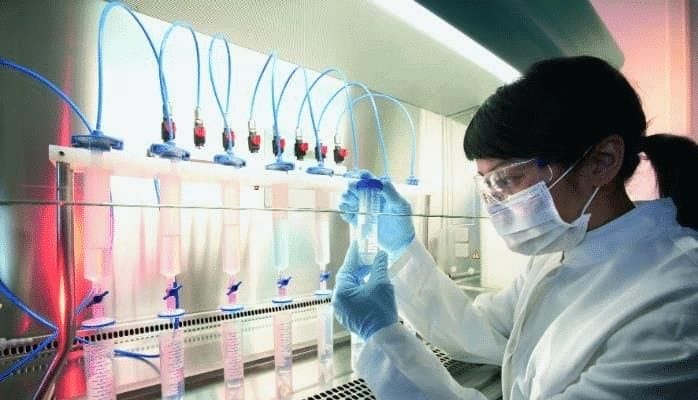
Growth of India's Biotechnology Sector
Why in News?
At the "Emerging Innovations in Biochemistry and Biotechnology" conference, India's Union Minister of Science & Technology emphasized the growth of the country's biotechnology sector and highlighted the untapped biotech potential of the Himalayan region, particularly Jammu and Kashmir (J&K).
Key Facts About India's Biotechnology Sector
Overview: Biotechnology involves using biological organisms, systems, or processes to develop products and technologies that serve fields like agriculture, healthcare, industry, and environmental sustainability.
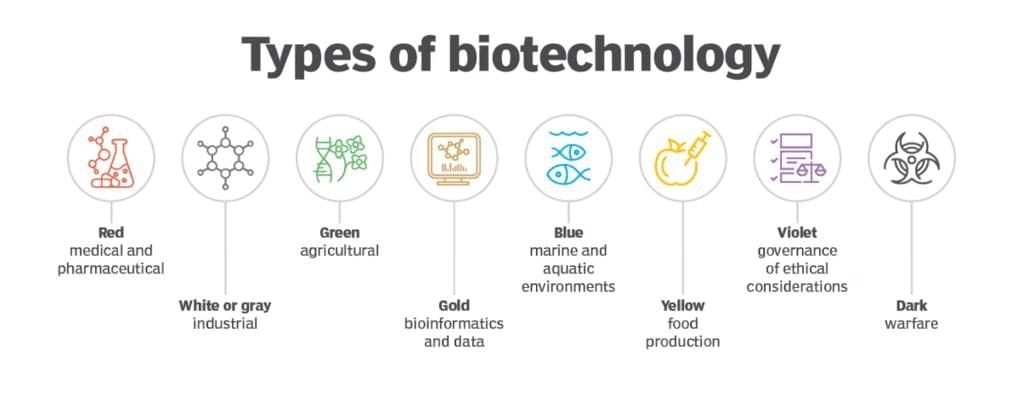
Types of Biotechnology:
Growth and Potential: India's bioeconomy has experienced significant growth, expanding from USD 10 billion in 2014 to USD 130 billion in 2024. The country aims to reach USD 300 billion by 2030.
Opportunities in J&K: The region's rich biodiversity and medicinal plants provide promising prospects for pharmaceutical and herbal product development.
- Biotech research can enhance high-altitude crop resilience and yield.
- Notable programs include the Aroma Mission and the Floriculture Revolution, which focus on commercial flower farming.
Major Developments in 2024:
- Launch of the world's first Human Papillomavirus (HPV) vaccine.
- Discovery of 'Nafithromycin,' a novel indigenous antibiotic.
- India's first successful gene therapy trial for Hemophilia.
Key Government Initiatives:
- BioE3 Policy and Anusandhan National Research Foundation (NRF).
- Bio-RIDE Scheme: Growth from 50 biotech startups in 2014 to a projected 9,000 by 2025.
Global Innovation Performance:
- India improved its Global Innovation Index ranking from 80th in 2014 to 39th in 2024.
- The country is now 3rd in the Asia-Pacific and 12th globally in biomanufacturing.
- More than 5,352 Indian scientists are among the top 2% of researchers worldwide.
[Question: 2125520]
Space Debris Crisis

Why in News?
A 500-kg metal object recently crashed in Kenya, raising alarms over the growing problem of space debris and the urgent need for stronger global accountability and safety measures for re-entering objects.
What is Space Debris?
- About: According to the UN Committee on the Peaceful Uses of Outer Space (COPUOS) 'Space debris is all man-made objects, including fragments and elements thereof, in Earth orbit or re-entering the atmosphere, that are non-functional'.
- It includes defunct satellites, rocket stages, and fragments from explosions or collisions.
- Origin: Most space debris comes from on-orbit breakups i.e., satellites or rocket stages explode, collide, or fragment in space.
- NASA estimates 23,000 debris pieces larger than a baseball, 500,000 marble-sized scraps, and 100 million fragments over one millimeter orbiting Earth.
- Space Debris Destruction: Debris loses altitude and burns up on re-entry due to atmospheric drag. It is intensified by the 11-year solar activity cycle that expands the atmosphere, accelerating the decay of low-orbit debris.
Associated Risks:
- On-Orbit Risks: Large debris can destroy satellites, while even 1 cm fragments can disable spacecraft. Millimeter-sized particles erode surfaces and damage solar panels.
- Re-entry Risks: Most debris burns up, but some large fragments may reach Earth, though the risk of injury is very low.
- Kessler Syndrome: Kessler Syndrome is a chain reaction of debris collisions creating even more debris, potentially making orbits unusable for future space missions.
International Regulations:
- Outer Space Treaty (1967): Article VI of the treaty makes states responsible for all national space activities, including private ones, but lacks enforcement mechanisms.
- Convention on International Liability for Damage Caused by Space Objects (1972): It imposes absolute liability for space object damage on Earth, requiring no proof of negligence, but enforcement is weak.
- Voluntary UN Guidelines on Deorbiting: The UN recommends deorbiting satellites within 25 years, but compliance rate is only around 30%.
Initiatives to Remove Space Debris:
- Global: ClearSpace-1 and Remove DEBRIS (by ESA), OSAM-1 (NASA).
- India: Debris Free Space Mission (DFSM), Network for Space object TRacking and Analysis (NETRA).
HeroRATS for Tuberculosis Elimination

Why in News?
A Tanzanian non-profit organization is training African giant pouched rats-known as HeroRATS-to detect Tuberculosis (TB) with high accuracy. These rats offer a rapid and affordable screening method, especially valuable in resource-limited regions. Their application could significantly benefit TB detection efforts in countries like India.
Key Findings of the HeroRATS Research
- Exceptional Olfactory Ability: HeroRATS possess highly sensitive olfactory receptors, enabling them to detect diseases like TB by smelling sputum samples (mucus from the lungs).
- Efficient Screening: The trained rats can screen up to 100 sputum samples in just 20 minutes, whereas traditional diagnostic methods can take 3-4 days.
- Confirmation Methods: Positive samples identified by the rats are further confirmed through Ziehl-Neelsen and fluorescent microscopy.
- Improved Detection in Children: The use of HeroRATS has doubled TB detection rates in children, compared to conventional tests.
- Effective in Low Bacillary Load Cases: The rats were found to be six times more effective at detecting TB in cases with a low concentration of bacteria-situations where traditional microscopy often fails.
How HeroRATS Can Support India's TB Elimination Efforts
- Rapid, Low-Cost Screening: HeroRATS offer a quick and cost-effective method for detecting TB, particularly useful for identifying cases in children and patients with smear-negative samples.
- Strengthening Early Diagnosis: By improving early detection, these rats can help reduce TB transmission and disease burden.
- Integration with NTEP: India could integrate this method into the National Tuberculosis Elimination Programme (NTEP) via a phased rollout, starting with states that have a high TB burden.
- India's TB Scenario:
- India has the world's highest TB burden, with two deaths every three minutes.
- The NTEP, under the National Health Mission, aims to eliminate TB in India by 2025-five years ahead of the global 2030 target.
- From 2015 to 2023, TB incidence in India declined by 17.7% (from 237 to 195 per 100,000), and TB-related deaths reduced by 21.4% (from 28 to 22 per lakh population).
What are the Key Facts About Tuberculosis?
- About: TB is a bacterial infection (Mycobacterium tuberculosis) affecting the lungs, spreading through the air.
- Preventable and curable with antibiotics. About 25% of the global population is infected, but only 5-10% develop symptoms.
- Risk Factors: Weak immune system, diabetes, malnutrition, tobacco, and alcohol use.
- Diagnosis: WHO recommends rapid molecular tests (Xpert MTB/RIF Ultra). Traditional methods struggle with low bacterial loads, especially in children difficult due to their inability to produce sufficient sputum for testing.
- Prevention: The Bacille Calmette-Guérin (BCG) vaccine is given to infants to prevent TB.
- Treatment: Standard TB treatment lasts 4-6 months. Incomplete treatment leads to drug-resistant TB.
- Multidrug-resistant TB (MDR-TB): It is resistant to isoniazid and rifampicin (medicines used to treat TB), treatable with costlier alternatives.
- Extensively Drug-Resistant TB: It is more severe, with limited treatment options.
- TB and Human Immunodeficiency Virus (HIV): HIV patients are 16 times more vulnerable to TB, a leading cause of their deaths.
[Question: 2125521]
Quantum Nature of Gravity

Why in News?
A new proposal published on October 29, 2024, suggests an experiment that could provide direct evidence for quantum gravity, unifying general relativity and quantum mechanics. A new experiment proposes testing weak gravitational fields at the quantum level, a historic breakthrough in physics if successful.
What is Quantum Gravity?
- Quantum Gravity is a theoretical framework that aims to unify general relativity (which explains gravity at large scales) and quantum mechanics (which governs subatomic particles).
- Since gravity behaves differently from the other fundamental forces in quantum mechanics, physicists have been searching for a theory that integrates gravity into the quantum world.
- General relativity treats gravity as the curvature of spacetime, while quantum mechanics describes forces through particle interactions.
- Gravity has never been directly observed in quantum form, unlike the other fundamental forces.
- Theories like String Theory and Loop Quantum Gravity attempt to explain quantum gravity but lack experimental validation.
Significance of the Experiment
- First Realistic Test for Quantum Gravity: Most quantum gravity theories rely on extreme conditions (e.g., black holes), making them impossible to test. This experiment provides a lab-based alternative.
- Testing Gravity at the Quantum Level: If a small mass in quantum superposition is influenced by gravity, it could prove gravity itself is quantum in nature.
- Weak Gravity Instead of Strong Gravity: Unlike previous studies focused on black holes, this experiment explores weak gravitational interactions, making it more feasible.
- Towards a Unified Theory of Physics: Proving quantum gravity could merge general relativity and quantum mechanics, solving a major gap in modern physics.
- Challenging Existing Theories: If results differ from both classical and quantum predictions, it could suggest a new force or a modified gravity theory.
National Science Day 2025

Why in News?
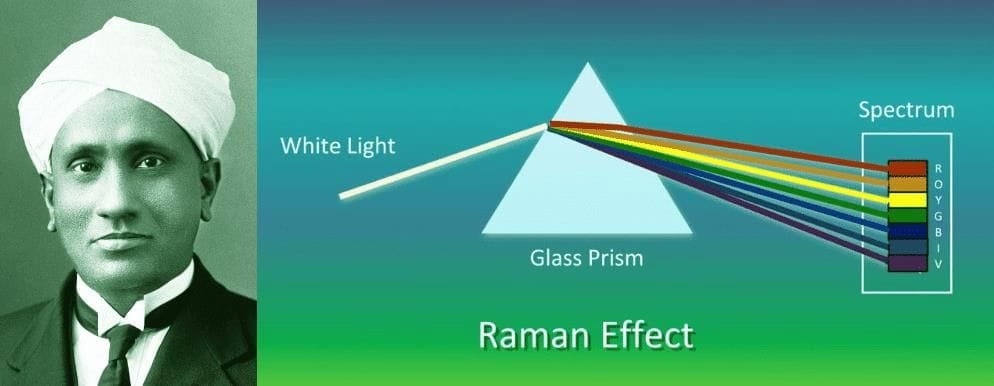
India celebrates National Science Day (NSD) on 28th February annually to honor Sir Chandrasekhara Venkata (CV) Raman's discovery of the Raman Effect in 1928.
- The 2025 theme, "Empowering Indian Youth for Global Leadership in Science and Innovation for Viksit Bharat", highlights the role of scientific innovation and youth leadership and aligns with the Viksit Bharat 2047 vision.
What are the Key Facts About CV Raman?
- Early Life: CV Raman was born on 7th November 1888, in Tiruchirappalli, Tamil Nadu. He earned his M.A. in Physics from Presidency College, Madras and contributed significantly to atomic physics and optics.
- He founded the Raman Research Institute (1948), Indian Journal of Physics (1926), and Indian Academy of Sciences (1934).
- His research spanned optics, light scattering, X-rays, acoustics, and sea colors, leading to the discovery of the Raman Effect.
- Honors & Recognition: Knighted in 1929 by the British government, CV Raman won the 1930 Nobel Prize in Physics for Raman Effect, making him the first Asian to receive a Nobel Prize in science.
- He was also honored with the Bharat Ratna in 1954, India's highest civilian award.
- Raman Effect: It refers to the phenomenon where incoming excitation light interacts with a sample, undergoes a change in wavelength, and generates scattered light due to interactions with molecular vibrations. This phenomenon is known as Raman scattering.
- Applications of Raman Effect: It forms the basis of Raman Spectroscopy (analyzing molecular vibrations), widely used to study material properties.
- Its applications expanded after the advent of lasers in the 1960s, aiding chemical analysis by identifying substances without breaking them. It also helps forensic science detect drugs in sealed evidence bags and enables safe nuclear waste analysis using fiber-optic probes.
Rise of India's Private Space Industry
Why in News?
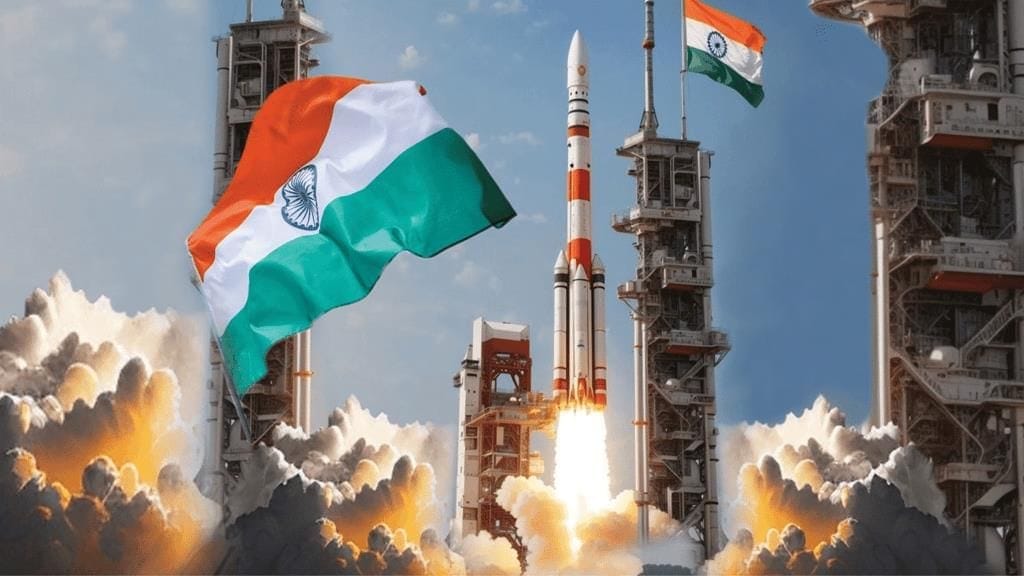
ISRO's upcoming launch of a US-based AST Space Mobile communication satellite marks a pivotal moment in India's emergence as a global player in the satellite launch industry. Already distinguished by achievements like the SpaDeX mission, Chandryaan-3's lunar landing, and cryogenic engine development, ISRO is now breaking into the lucrative commercial satellite market. This commercial expansion represents a crucial step toward India becoming self-reliant and profitable in the international space economy.
What are the Key Recent Developments Related to India's Space Sector?
- Advancing Solar Research: India's first solar observatory, Aditya-L1, successfully reached its halo orbit at Lagrange Point-1 (L1) in January, 2024.
- The data from Aditya-L1 will enhance India's space weather forecasting, crucial for satellite protection and communication systems.
- This marks a major step in India's deep-space research, putting it in league with NASA and ESA.
- India is now one of only four countries to have a dedicated solar mission, alongside the US, Europe, and China (ISRO, 2024).
- Advancements in Reusable Launch Vehicles (RLV): ISRO conducted two successful Reusable Launch Vehicle (RLV) Landing Experiments-RLV-LEX-02 (March 2024) and RLV-LEX-03 (June 2024).
- Reusability can cut launch costs by 80%, making space more accessible for commercial and scientific missions (ISRO, 2024).
- The winged prototype 'Pushpak' was dropped from a Chinook helicopter at 4.5 km altitude before autonomously landing, proving the feasibility of future reusable rocket technology.
- The RLV tests bring ISRO closer to developing a fully reusable spaceplane, similar to SpaceX's Starship and NASA's Dream Chaser.
- India's First Space Docking Experiment (SpaDeX) and Future Space Station Plans: India achieved a breakthrough in space docking technology with the SpaDeX (Space Docking Experiment) mission in December 2024.
- Mastering space docking is critical for long-duration space missions, in-orbit refueling, and space habitat construction.
- This milestone strengthens India's future in deep-space exploration and interplanetary logistics.
- India is now the fourth country globally (after the US, Russia, and China) to achieve space docking independently.
- ISRO plans to launch the Bharatiya Antariksh Station (BAS-1) by 2035, starting with an initial modular space station segment.
- Progress in the Gaganyaan Human Spaceflight Mission: Significant advancements have been made in India's first crewed spaceflight mission, Gaganyaan, scheduled for 2025.
- This mission aims to send a three-member crew to low-Earth orbit (LEO) for three days, marking a historic milestone for India's space program.
- The Test Vehicle Abort Demonstration-1 (TV-D1) successfully tested crew escape systems in case of launch failure.
- ISRO has trained four Indian astronauts at Russia's Gagarin Cosmonaut Training Center and is setting up a crew training facility in Bengaluru.
- Strengthening India's Weather and Disaster Monitoring Capabilities: The launch of INSAT-3DS has significantly improved weather forecasting, cyclone tracking, and disaster management.
- Designed for a 10-year operational lifespan, the satellite provides real-time weather data, including temperature, humidity, and atmospheric conditions.
- This enhances India's ability to predict extreme weather events, mitigating damage from cyclones, floods, and heatwaves.
- INSAT-3DS played a key role in tracking Cyclone Michaung in December 2023, enabling early evacuations.
- India's Growing Role in International Space Collaborations: ISRO launched ESA's Proba-3 mission, strengthening its reputation as a trusted global launch partner.
- This mission, designed to simulate a total solar eclipse using precision formation flying, demonstrates India's expertise in small satellite launches and scientific missions.
- India is working with NASA for the NISAR mission (2024), a satellite to monitor climate change and natural disasters.
- Expansion of India's Private Space Sector: With the introduction of IN-SPACe and the New Space Policy (2023), India's private space sector has seen a rapid rise in startups, satellite manufacturing, and launch services.
- Companies like Skyroot Aerospace, Agnikul Cosmos, and Pixxel are developing indigenous launch vehicles and advanced payloads.
- Skyroot's Vikram-S (November 2022) became India's first private rocket launch, marking a shift towards commercial space activities.
- Green Propulsion and Sustainable Space Technologies: ISRO is actively developing eco-friendly propulsion systems, including liquid methane-LOX engines and solar-electric thrusters for deep-space missions.
- The Vikram-1 rocket (by Skyroot Aerospace) and ISRO's future missions aim to use green propellants to minimize environmental impact.
- The Chandrayaan-3 lander used non-toxic propulsion, aligning with ISRO's commitment to green space technologies.
- Approval of Chandrayaan-4 and India's Upcoming Lunar Ambitions: Following the success of Chandrayaan-3, ISRO has secured approval for Chandrayaan-4, a sample return mission to the Moon.
- This mission aims to leverage India's expertise in precision landing and in-situ lunar studies, contributing to global lunar science.
- Chandrayaan-4 will be India's first robotic mission to return samples from the Moon, similar to China's Chang'e-5.
What are the Key Issues Associated with India's Space Sector?
- Limited Budget Allocation: Despite ISRO's achievements, India's space sector operates on a relatively small budget compared to global counterparts, limiting the scale of deep-space missions and technology development.
- Most funding still comes from the government, restricting private sector-led innovation and commercialization.
- ISRO's budget for 2024-25 is Rs 13,042.75 crore (about $1.95 billion). In contrast, NASA operates with a much larger budget of around $25 billion, without any reductions.
- India's space economy is only 2% of the global space market.
- Slow Development of Reusable and Cost-Effective Launch Technologies: While ISRO has made progress with Reusable Launch Vehicle (RLV) experiments, it lags behind private companies like SpaceX (Falcon 9) and Blue Origin (New Shepard) in operational reusable rockets.
- High launch costs limit India's ability to compete in the global commercial satellite launch market, which demands low-cost, frequent, and reusable launch systems.
- Accelerating the development of fully reusable rockets is crucial to maintaining global competitiveness.
- Rising Space Debris and Orbital Congestion: With increasing satellite launches, space debris management has become a critical challenge, posing risks to operational satellites and future missions.
- India lacks an independent space traffic management system, making it reliant on international organizations for debris tracking.
- With thousands of satellites planned for Low Earth Orbit (LEO) mega constellations, collision risks and orbital congestion will intensify, requiring urgent regulatory and technological interventions.
- A total of 3143 objects originating from 212 launches and on-orbit break-up events were added to the space object population in 2023, highlighting the growing threat of space debris.
- Delayed Implementation of Space Policy and Regulatory Frameworks: India's New Space Policy 2023 was a major step in opening the sector to private players, but implementation delays and bureaucratic hurdles have slowed its impact.
- IN-SPACe, meant to regulate and facilitate private sector participation, is still evolving its framework, leading to uncertainty for startups and investors.
- A clear legal framework on space activities, satellite licensing, and liability in case of damages is necessary to attract global investments.
- India has over 150 space startups, but most struggle with funding, regulatory approvals, and global market access
- Cybersecurity Threats and Space Asset Protection: With growing reliance on satellites for communication, defense, and navigation, cyber threats targeting space assets pose national security risks.
- India lacks an independent Space Cybersecurity Command to protect against satellite hacking, GPS spoofing, and space-based espionage.
- ISRO currently lacks an autonomous cybersecurity division, making its satellites potential targets for hostile cyber intrusions.
- Climate Change Impact on Space Infrastructure: Extreme weather events, rising temperatures, and increasing humidity levels are posing risks to ISRO's launch sites and ground stations.
- Coastal launch sites like Sriharikota (SHAR) and Thumba are vulnerable to cyclones and sea-level rise, potentially affecting future launch schedules and infrastructure durability.
- Climate adaptation strategies, including hardened launch complexes and alternative inland launch sites, are needed to mitigate these risks.
- Growing Competition from Emerging Space Powers: India faces increasing competition from China, UAE, and South Korea, which are advancing in lunar exploration, deep-space missions, and private sector growth.
- China's Chang'e program is targeting lunar colonization by 2035, while the UAE's Mars and Moon missions are attracting global partnerships.
- To maintain leadership, India must accelerate Chandrayaan-4, Venus missions, and interplanetary exploration projects.
- Delays in Strategic Military Space Capabilities: India has been slow in developing dedicated military space assets, lagging behind China's Space Force and weaponized satellite capabilities.
- While India has anti-satellite (ASAT) capabilities, it lacks dedicated space-based missile defense and electronic warfare satellites.
- Establishing an integrated space command and defense satellite constellation is critical for national security.
- China has over 300 military satellites, while India operates with fewer for defense and surveillance.
What Strategic Measures can India Adopt to Enhance the Space Sector?
- Increasing Budget Allocation and Sustainable Funding Models: India must increase public investment in space technology while promoting private and foreign investments through Public-Private Partnerships (PPP).
- Establishing a dedicated Space Development Fund (SDF) can ensure continuous financing for deep-space missions, satellite manufacturing, and human spaceflight programs.
- Expanding ISRO's commercial wing, NSIL (NewSpace India Limited), can drive revenue generation through global satellite launches.
- Accelerating Reusable Launch Vehicle (RLV) and Cost-Effective Launch Technologies: India must prioritize RLV development to reduce launch costs, increase frequency, and compete with private players like SpaceX.
- Strengthening Pushpak RLV technology, integrating AI-driven autonomous landing systems, and developing Methane-LOX propulsion systems can improve reusability.
- Enhancing hypersonic flight research and scramjet engine testing will enable cost-effective space travel. A dedicated RLV test center should be established for high-speed aerodynamic research.
- Expanding Private Sector and Startup Participation in Space Economy: India must fully implement the New Space Policy 2023 to enable private players to develop launch vehicles, satellites, and deep-space technologies.
- Strengthening IN-SPACe (Indian National Space Promotion and Authorization Center) will streamline approvals and reduce bureaucratic delays.
- Tax incentives, regulatory ease, and venture capital support can encourage more startups to enter the space manufacturing, propulsion systems, and AI-driven satellite services sectors.
- Fast-tracking licensing processes for private satellite launches will boost India's competitiveness.
- Strengthening Space Traffic Management and Space Debris Mitigation: India should establish an independent Space Traffic Management (STM) system to monitor, track, and mitigate space debris following the Convention on International Liability for Damage Caused by Space Objects.
- Deploying active debris removal (ADR) satellites, using laser ablation and robotic arms, can help clear defunct satellites from orbit.
- AI-powered collision avoidance systems should be integrated into India's growing satellite fleet.
- Strengthening international cooperation under UNOOSA and IADC (Inter-Agency Space Debris Coordination Committee) will enhance India's role in global space sustainability.
- Fast-Tracking Space Infrastructure for Human Spaceflight Missions: To sustain long-term human spaceflight programs, India must develop space habitats, advanced crew modules, and deep-space life support systems.
- Establishing a dedicated Human Spaceflight Research Center (HSRC) will drive innovations in space medicine, astronaut training, and microgravity research.
- The Bhartiya Antriksh Station (BAS-1) roadmap should be fast-tracked for operational readiness by 2035.
- Enhancing Cybersecurity and Space Asset Protection: India must create a dedicated Space Cybersecurity Command under ISRO and DRDO to protect satellites, GPS systems, and defense space assets from cyber threats.
- Strengthening quantum encryption, AI-driven anomaly detection, and satellite firewalls will safeguard critical infrastructure.
- Implementing real-time threat monitoring systems for space-based assets will reduce vulnerabilities to hacking, GPS spoofing, and electromagnetic attacks.
- Strengthening Deep-Space and Interplanetary Exploration Capability: India must expedite missions to the Moon, Mars, and Venus, enhancing its global space leadership.
- Chandrayaan-4 (Lunar Sample Return Mission) and Mangalyaan-2 (Mars Orbiter Mission-2) should be prioritized with advanced robotic rovers, AI-driven navigation, and in-situ resource utilization (ISRU) experiments.
- Establishing an Interplanetary Research Center (IRC) will boost scientific collaboration and innovation.
- Expanding India's Satellite-Based Applications and Digital Connectivity: India must expand its satellite fleet for earth observation, navigation, and broadband internet to strengthen disaster management, agriculture, and national security.
- Deploying next-generation NavIC satellites will enhance independent satellite navigation and geospatial intelligence.
- Strengthening satellite-based quantum communication will enhance secure data transmission and defense applications.
- Climate-Resilient Space Infrastructure and Alternate Launch Sites: To mitigate risks from climate change, sea-level rise, and extreme weather, India must develop inland launch sites beyond Sriharikota.
- Establishing a second launch complex in central India will provide operational redundancy during adverse weather conditions.
- Strengthening ISRO's weather monitoring satellites with advanced hyperspectral imaging and AI-driven climate modeling will improve India's disaster response.
- Implementing eco-friendly, non-toxic green propulsion technologies will align India's space program with global sustainability goals.
Conclusion
India's space sector is at a transformative juncture, with ISRO making significant strides in commercial satellite launches, reusable launch vehicles, deep-space exploration, and human spaceflight. With sustained efforts, ISRO can drive technological innovation, boost economic opportunities, and contribute to global space exploration, ensuring India's long-term leadership in the space economy.
[Question: 2125522]
Ultra-Conserved Elements
Why in News?
Researchers have discovered a reason why certain segments of the human and mouse genomes (Tra2b gene) have remained unchanged for 80 million years. These segments, known as ultra-conserved elements (UCEs), play a vital role in regulating protein production
What are Ultra-Conserved Elements (UCEs) in DNA?
Ultra-Conserved Elements (UCEs) are long, highly conserved DNA sequences (200+ base pairs) that have remained unchanged for millions of years across multiple species, including humans, mice, rats, chickens, and even fish.
Key Characteristics:
- Found in both coding (gene) and non-coding (regulatory) regions of the genome.
- Do not tolerate mutations, meaning they remain identical across species for tens of millions of years.
- Many UCEs do not code for proteins but play crucial roles in gene regulation and cellular function.
Their importance:
- Evolutionary Significance: Their extreme conservation suggests they are essential for survival, as any mutation would likely be harmful.
- Gene Regulation: UCEs may function as enhancers or silencers, controlling when and where genes are activated.
- Developmental Roles: They are often linked to brain development, fertility, and immune response.
- Disease Prevention: UCEs may protect against genetic disorders and cancers by stabilizing gene expression.
Why do Human and Mouse Genomes overlap?
Humans and mice share a common mammalian ancestor that lived around 80 million years ago.
Genomic Similarity:
- Around 85% of mouse genes have direct counterparts in humans.
- Nearly 500 UCEs are identical between humans and mice, despite millions of years of evolution.
- Many fundamental processes like cell division, metabolism, and brain function are similar between species, necessitating high conservation of crucial DNA regions.
Medical Research:
- Because of these similarities, mice serve as a model organism for studying human genetics, diseases, and drug responses.
- UCEs help scientists understand gene function across species, leading to insights into evolution and biomedical advancements.
Ripening Agents Used for Fruits

Artificial Ripening of Fruits
Natural Ripening:
- Fruits ripen naturally through senescence, which involves changes in color, texture, flavor, sugar content, and acidity.
- This process is influenced by the ripening hormone ethylene.
Artificial Fruit Ripening Agents:
Calcium Carbide:
- Releases toxic acetylene gas and may contain harmful substances like phosphorus and arsenic.
- Associated with severe health issues and carcinogenic risks.
- Its usage has been banned by the Food Safety and Standards Authority of India (FSSAI) under the Food Safety and Standards Regulations, 2011.
Permitted Substances:
Ethylene Gas:
- Approved by FSSAI for use up to 100 parts per million (ppm).
- Triggers natural ripening processes.
- Must be applied in controlled ripening chambers and should not come into direct contact with fruits.
Ethephon:
- A substance that releases ethylene upon breakdown.
- Used for artificial ripening under regulated conditions.
Ethereal:
- An ethylene-releasing compound used in controlled settings for artificial ripening.
India as Global Hub For Data Centres
 Why in News?
India's data centre sector is experiencing remarkable growth, with projections indicating a doubling of its capacity by FY27. This expansion is fueled by factors such as digitalization, the integration of Artificial Intelligence (AI), the deployment of 5G, and the enforcement of data localization laws. However, challenges persist, including gaps in infrastructure, the necessity for sustainable power solutions, and competition from international players like China.
Key Takeaways
- India's data centre capacity is expected to rise from USD 4.5 billion in 2023 to USD 11.6 billion by 2032.
- India currently holds only 3% of global data centre capacity despite producing 20% of global data.
- Over 50% of data centre capacity is concentrated in Mumbai, with emerging hubs in smaller cities.
Additional Details
- What are Data Centres? Data centres are specialized facilities that store, manage, and process large volumes of electronic data. They contain critical Information Technology (IT) infrastructure, including servers, storage devices, and networking equipment, along with systems for cooling, power supply, and security.
- Components of a Data Centre: Key components include servers and storage systems for hosting websites and cloud storage, networking equipment like routers and firewalls, power supply systems including UPS, cooling systems to prevent overheating, and security infrastructure to protect against data breaches.
India's data centre market is projected to reach significant economic milestones, driven by increasing digitalization, the RBI's data localization mandate, and the rollout of AI and 5G technologies. The sector will likely create investment opportunities and generate substantial economic activity.
Challenges Hindering Growth
- Infrastructure Constraints: Issues like unreliable power supply and limited connectivity raise costs and risks, especially for data centres in non-metro areas.
- Environmental Sustainability: The industry faces pressure to adopt renewable energy and sustainable technologies to reduce carbon emissions.
- Cybersecurity Threats: Data centres are prime targets for cyberattacks, necessitating robust cybersecurity measures to protect sensitive information.
In conclusion, while India has the potential to become a key player in the global data centre market, addressing infrastructure challenges and enhancing cybersecurity measures is essential for sustainable growth. With the right policies and investments, India can emerge as a leading data centre hub in the near future.
Drishti Mains Question:
Discuss the growth, challenges, and opportunities in India's data center sector and its role in advancing the country's digital economy.
Japan Created 3D-Printed Train Station

3D Printed Train Station in Japan
- The West Japan Railway Company has introduced what it claims to be the world's first 3D-printed train station in Arida, Japan.
What is 3D Printing?
- 3D printing, also known as additive manufacturing, is a method used to create three-dimensional objects from a digital file.
- The process involves adding material layer by layer until the entire object is constructed. This is different from subtractive manufacturing, where material is removed from a solid block, like in milling.
Benefits of 3D Printing
- Quick Realization of Ideas: Designers can bring a 3D model to life immediately.
- Reduced Dependence on Workforce: Especially important for countries like Japan with a shrinking workforce.
- On-Demand Customization: Customization can be done rapidly without overhauling the entire manufacturing process.
- Cost Savings: Reductions in material costs, labor, operational efficiency, and inventory and warehousing expenses.
- Design Flexibility: Allows for the incorporation of complex shapes and structures.
- Eco-Friendly: Supports sustainable practices, on-demand production, and improved product quality.
Uses of 3D Printing
- Manufacturing: Used for creating consumer products like eyewear and industrial items such as tools and prototypes.
- Advanced Healthcare: Custom prosthetics and bioprinting organs, like organ-on-a-chip technologies.
- Construction: Used for making architectural models and facilitating faster and more precise construction.
- Historical Research: Aids in reconstructing fossils and replicating ancient artifacts.
- Forensic Science: Helps in reconstructing evidence for forensic investigations.
GenomeIndia Project Overview
Why in News?
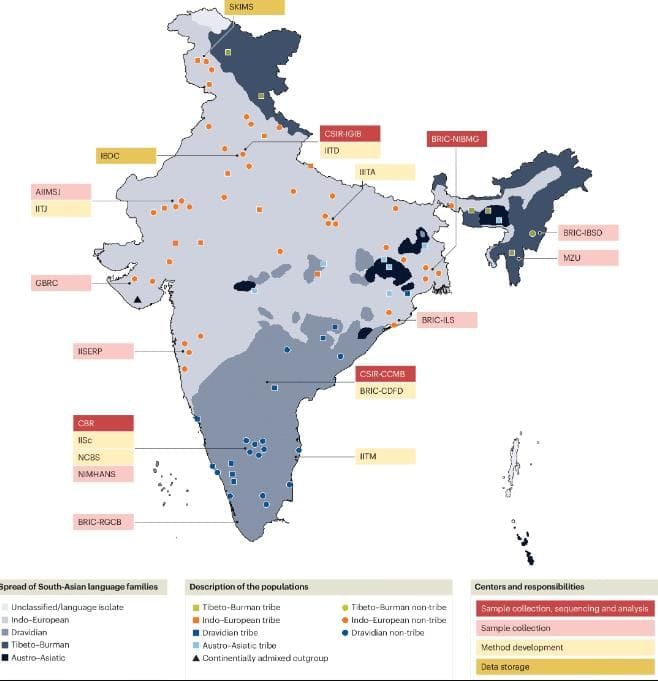
The journal Nature Genetics recently published findings from the GenomeIndia project, which successfully sequenced the entire genomes of approximately 10,000 individuals from 85 distinct population groups in India. This includes 32 tribal and 53 non-tribal populations, representing major ethnic groups across the country. The study uncovered 180 million genetic variants, comprising 130 million on autosomes (non-sex chromosomes) and 50 million on sex chromosomes (X and Y). Notably, some of these variants are linked to diseases, while others are rare or unique to specific communities in India.
Key Takeaways
- The GenomeIndia project was launched in 2020 by the Department of Biotechnology (DBT).
- It aims to map the genetic diversity of the Indian population.
- Over 20 leading institutions collaborated to sequence 10,000 genomes in the initial phase.
- The data is stored in the Indian Biological Data Centre (IBDC), which is India's first national life sciences data repository.
Additional Details
- Genome India Project: This initiative is focused on building a comprehensive reference genome for Indian populations. It seeks to address the underrepresentation of Indian genomic data in global databases, significantly enhancing India's role in international genomics research.
- Indian Biological Data Centre (IBDC): Established at the Regional Centre of Biotechnology (RCB) in Faridabad, IBDC is supported by the DBT and the National Informatics Centre (NIC). It serves as a crucial repository for genomic data.
- Genome Sequencing: This refers to the process of determining the complete sequence of nucleotide bases in an organism's genome, which includes whole-genome, partial genome, or targeted gene sequencing. Whole Genome Sequencing (WGS) provides the most comprehensive genetic blueprint.
In summary, the GenomeIndia project represents a significant step towards understanding the genetic landscape of India, paving the way for future research and advancements in personalized medicine and public health.
US to Build Small Modular Reactors in India

Why in News?
The United States has approved Holtec International to transfer unclassified Small Modular Reactor (SMR) technology to three private entities in India under its regulation 10CFR810. This development marks a significant step in international nuclear cooperation.
Key Takeaways
- The authorization is valid for 10 years and subject to review every five years.
- Technology transfer is restricted to peaceful civilian uses and must adhere to International Atomic Energy Agency (IAEA) safeguards.
- This deal revitalizes the 2008 India-US Civil Nuclear Deal, overcoming previous legal and commercial hurdles.
- It represents the first direct technology transfer from the US to Indian private firms.
- The initiative supports India's ambition to become a hub for nuclear innovation and exports.
Additional Details
- Operational Framework: The technology can only be utilized for civilian purposes, ensuring that it aligns with global non-proliferation standards.
- Legal and Policy Challenges: Existing laws, such as the Civil Liability for Nuclear Damage Act, 2010, pose challenges by holding suppliers liable for nuclear incidents, which can deter foreign investment.
- The Atomic Energy Act of 1962 restricts nuclear operations to government entities, limiting private sector involvement.
- To address these issues, the Indian government is forming inter-ministerial committees to amend relevant laws and allow for private sector participation in nuclear energy.
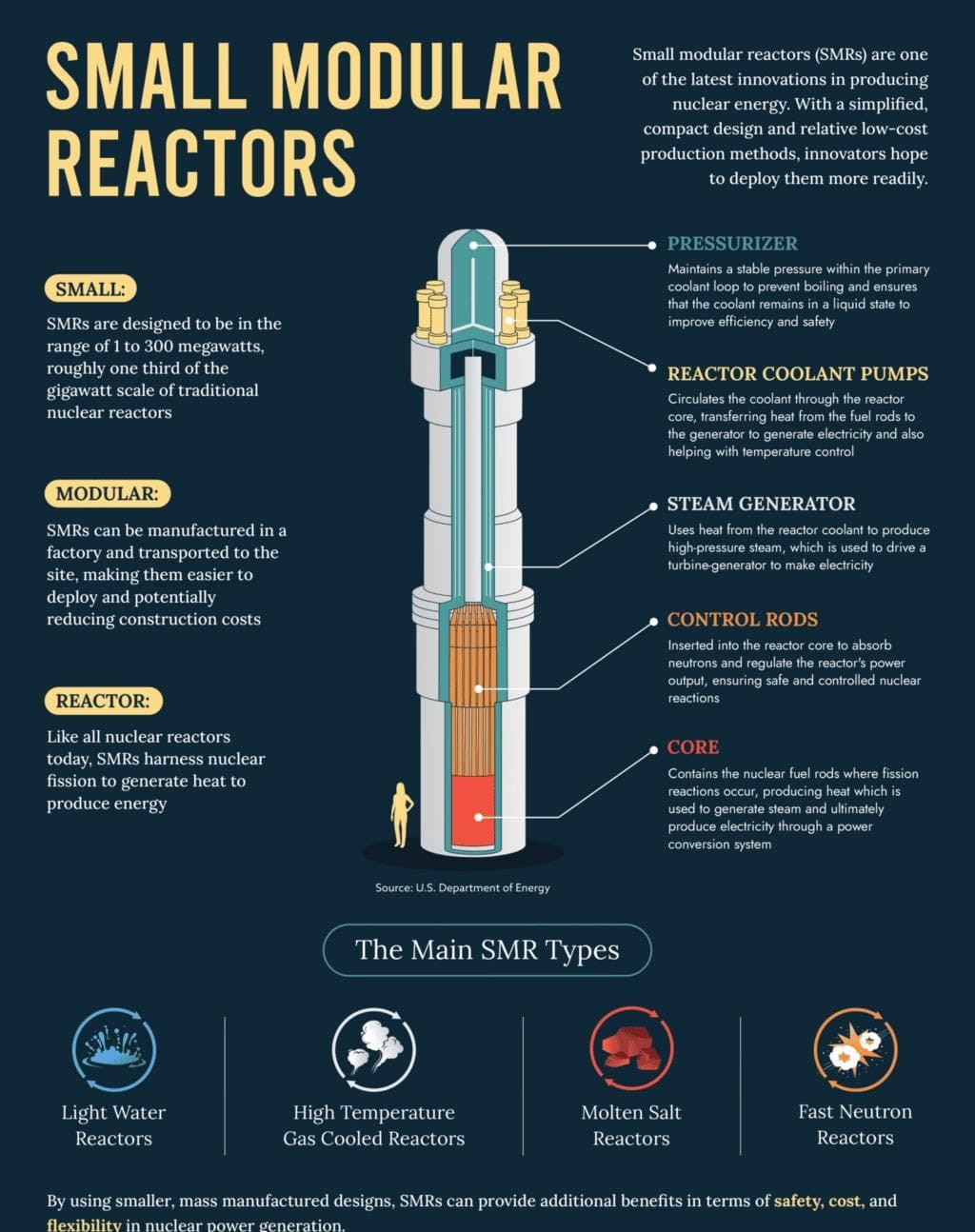
Small Modular Reactors (SMRs) are advanced nuclear reactors with a capacity of up to 300 MW(e), roughly one-third the size of conventional reactors. They are designed to be compact, factory-assembled, and easily transportable, making them well-suited for remote or confined locations. Examples include NuScale from the USA and CAREM from Argentina.
Key Features of SMRs
- SMRs are significantly smaller than traditional nuclear reactors.
- They consist of factory-built components that can be shipped and assembled on-site.
- These reactors use nuclear fission to generate heat, which is then converted into electricity.
Advantages of SMRs
- Fuel Efficiency: SMRs require refueling every 3-7 years, unlike conventional plants that need refueling every 1-2 years.
- Scalability & Flexibility: They can be integrated into various power systems and scaled to meet the needs of remote or urban areas.
- They reduce dependence on rare reactor-grade fuels and advanced enrichment processes.
- Passive Safety: SMRs are designed with inherent safety systems that enhance their resilience to accidents.
- Low-Carbon & Reliable: They provide continuous clean energy, supporting the grid and helping to achieve net-zero goals by 2070.
As part of the Union Budget 2025-26, India has announced a Nuclear Energy Mission focusing on the research and development of SMRs, aiming to develop at least five indigenously designed and operational SMRs by 2033. The Bharat Small Reactors (BSRs) will be 220 MW Pressurized Heavy Water Reactors (PHWRs) deployed near industrial sites to assist in decarbonization efforts. Private companies will supply land, cooling water, and funding, while the NPCIL will manage design, quality assurance, and operations.
This initiative aligns with India's COP26 commitment to achieve 500 GW of non-fossil fuel-based energy and to ensure that 50% of its energy comes from renewable sources by 2030.
Additionally, the Bhabha Atomic Research Centre (BARC) is working on SMRs to repurpose retiring coal-based power plants and meet energy demands in remote areas. The Department of Atomic Energy (DAE) is also exploring various reactor designs, including high-temperature gas-cooled reactors and molten salt reactors, to leverage India's abundant thorium resources.

HALEU Fuel Cycle as an Alternative to FBRs
Why in News?
India's three-stage nuclear power program is currently facing significant delays in the deployment of Fast Breeder Reactors (FBRs). In light of these challenges, the former chief of the Bhabha Atomic Research Centre (BARC) has proposed the use of High Assay Low Enriched Uranium (HALEU) and thorium as fuel to optimize the utilization of existing Pressurized Heavy Water Reactors (PHWRs).
Key Takeaways
- Integration of HALEU with existing PHWRs can enhance India's nuclear energy program.
- Recycling spent fuel from HALEU-thorium reactors contributes to sustainability and waste reduction.
Additional Details
- Using PHWRs with HALEU: India aims to incorporate a mix of HALEU, which is uranium enriched between 5% and 20% U-235, into its existing 700 MWe PHWRs. This strategy allows for the earlier utilization of thorium, promoting a more sustainable nuclear power generation.
- Recycling Spent Fuel: The spent fuel generated from PHWRs that utilize HALEU-thorium can be reprocessed to reclaim valuable fissile materials, which can then be employed in advanced reactors like Molten Salt Reactors (MSRs). This process enhances the efficiency of the nuclear fuel cycle and supports the long-term sustainability of India's nuclear energy landscape.
In summary, the integration of HALEU with thorium into India's nuclear program presents a promising pathway to overcome the current challenges faced in the deployment of FBRs, ensuring optimal fuel use and contributing to the sustainability of nuclear energy in the country.
What is India's 3-Stage Nuclear Power Programme?
India's three-stage nuclear power program, designed by Homi Bhabha, aims to secure long-term energy needs by efficiently utilizing limited uranium resources alongside abundant thorium reserves. This phased approach is intended to develop nuclear energy in a sustainable and self-reliant manner.
| Stage | Aim | Fuel/Coolant/Moderator | Nuclear Reactor | Current Status |
|---|---|---|---|---|
| Stage-1 | Generate electricity while producing plutonium-239 (Pu-239) as a byproduct. | Uranium (U-238) Moderator: Heavy water (deuterium oxide) | Pressurized Heavy Water Reactors (PHWRs) | India has constructed 18 PHWRs, serving as the foundation of its nuclear power infrastructure. |
| Stage-2 | Focus on reactors that utilize plutonium generated from the first stage to produce more fissile material than consumed. | Mixed Oxide of Plutonium-239 and Uranium-238 | Prototype FBR at Kalpakkam, Tamil Nadu | Key developments are ongoing in this stage. |
| Stage-3 | Develop Thorium Reactors which use Thorium-232 to produce uranium-233, a fissile material. | Thorium-Based Reactors (Thorium Cycle) | Research into thorium-based reactors is ongoing, with the Advanced Heavy Water Reactor (AHWR) being developed. | Continued advancements are being made in this stage. |
Bird Flu Overview
Why in News?
A recent case of bird flu has been reported in Andhra Pradesh, marking India's second recorded human fatality from the H5N1 strain since 2021.
Key Takeaways
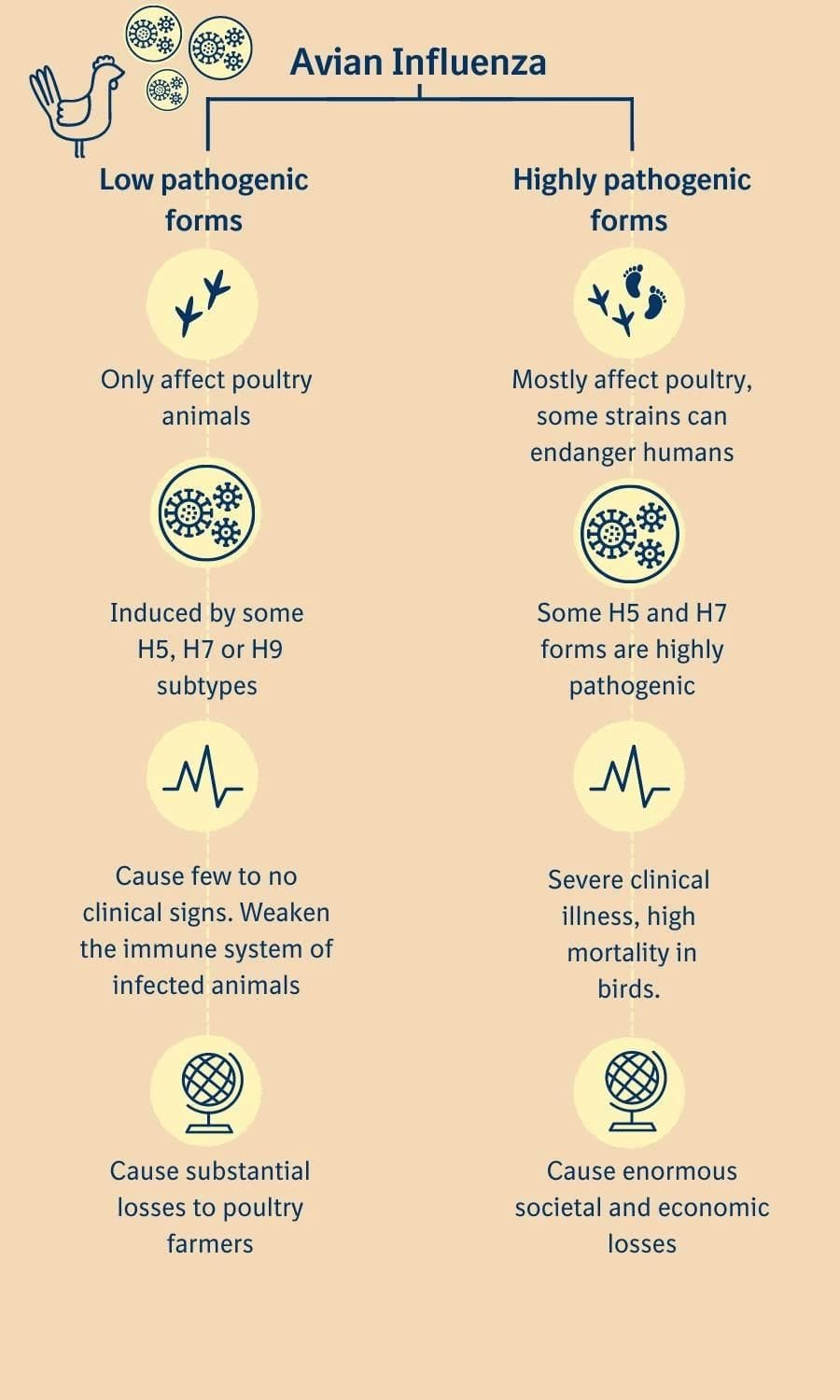
- Bird flu is a highly contagious viral infection that primarily impacts birds.
- Human cases are rare but can have a high fatality rate, approximately 60% for H5N1.
- Transmission to humans typically occurs through direct contact with infected birds.
Additional Details
- What is Bird Flu? Bird flu, also known as avian influenza, is caused by avian influenza A viruses, with subtypes like H5N8 being particularly significant.
- History of Human Cases: The first human infections were documented in 1997 in Hong Kong, with most cases occurring in Asia due to close contact with infected birds.
- As of February 2025, the World Health Organization (WHO) has confirmed 972 cases of H5N1 influenza.
- Transmission: H5N1 spreads mainly through direct contact with infected birds or contaminated environments, such as live bird markets. Airborne transmission has not been confirmed in humans, and human-to-human transmission remains extremely rare.
- Symptoms: Common symptoms include high fever, cough, sore throat, and muscle aches, with severe cases potentially leading to respiratory failure or neurological complications.
- Treatment: Antiviral medications like oseltamivir can be effective, particularly when administered early in high-risk cases.
- Vaccination: Current seasonal flu vaccines do not protect against H5N1, but some countries have developed specific vaccines for emergency use.
Given the potential for H5N1 to mutate and enable sustained human-to-human transmission, it is classified as a priority disease under the WHO R&D Blueprint. Continuous monitoring and preventive measures are crucial to manage the risk associated with this virus.
Evolution of India's Space Program
Why in News?
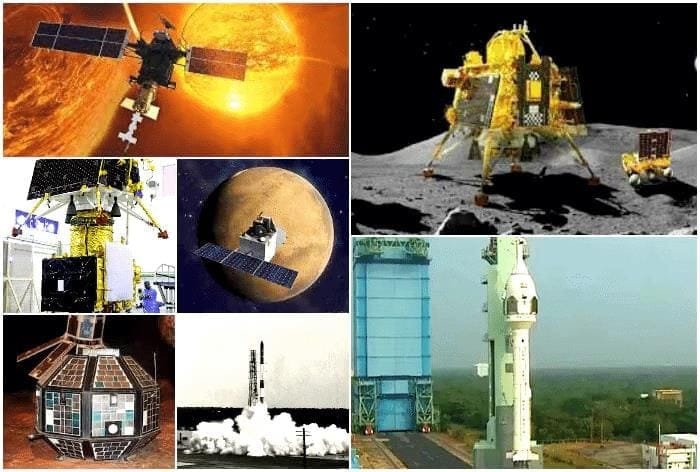
The Global Space Exploration Summit (GLEX) 2025 is being held in New Delhi under the theme "Reaching New Worlds: A Space Exploration Renaissance." The Prime Minister emphasized that India's space programme transcends scientific discovery, acting as a tool for empowering citizens and fostering economic and social development. Concurrently, the European Space Agency (ESA) has expressed its openness to collaboration with India on broad and uncharted realms of space exploration.
Key Takeaways
- India's space program has evolved significantly since its inception in the 1960s.
- Major milestones include the successful Chandrayaan and Mangalyaan missions.
- Current challenges include budget constraints, import dependencies, and geopolitical competition.
Additional Details
- Humble Beginnings (1960s-1970s): The first sounding rocket, a US-made Nike-Apache, was launched in 1963 from Thumba, Kerala, focusing on basic atmospheric studies and establishing foundational infrastructure.
- Building Indigenous Capabilities (1980s-1990s): Development of the Satellite Launch Vehicle (SLV), INSAT series for communication and weather monitoring, and IRS for agriculture, water management, and disaster response were key achievements during this period.
- Entering the Global Arena (2000s-2010s): India launched Chandrayaan-1 in 2008, which was successful in discovering water molecules on the Moon. The Mangalyaan mission in 2014 made India the first country to reach Mars on its first attempt.
- Future Ambitions (2020s-2040s): Development of the Gaganyaan mission to send Indian astronauts into space and plans for establishing the Bharatiya Antariksh Station by 2035 are among the future goals.
- Economic Impact: ISRO's satellite data aids in various public service schemes, enhances agricultural productivity, and supports disaster management through timely data on climatic changes.
- Key Challenges: India's space budget is only 0.04% of GDP, leading to limitations in funding significant projects and technology development.
India's space program has progressed from its humble beginnings to becoming a global player in space exploration. Despite facing challenges such as budget constraints, import dependencies, and geopolitical competition, India continues to strive for advancements in indigenous technology and international collaboration to enhance its space capabilities.
Semaglutide for Fatty Liver Treatment
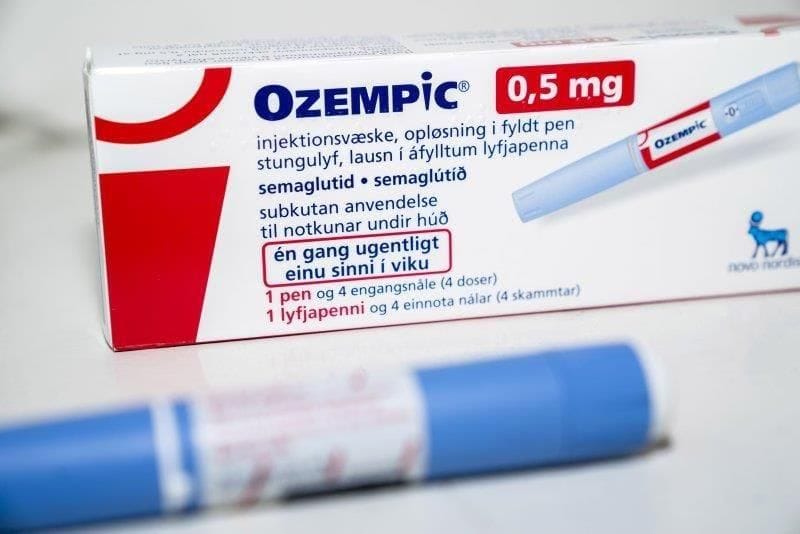
Why in News?
A recent study has revealed that semaglutide, a medication commonly used for weight loss and diabetes (found in brands like Ozempic and Wegovy), is also effective in treating fatty liver disease, specifically known as Metabolic Dysfunction Associated Steatohepatitis (MASH).
Key Takeaways
- Semaglutide: A GLP-1 receptor agonist effective in managing type 2 diabetes and obesity.
- Fatty Liver Disease: Characterized by excess fat accumulation in liver cells, impacting liver function.
- NAFLD: Non-Alcoholic Fatty Liver Disease is prevalent and can lead to serious liver complications.
- Treatment Options: Focus on weight loss and medications to manage liver fat.
Additional Details
- What is Semaglutide? Semaglutide is a glucagon-like peptide-1 (GLP-1) receptor agonist that helps lower blood sugar by increasing insulin secretion, inhibiting glucagon release, and delaying gastric emptying.
- Side Effects: Common side effects include nausea, vomiting, diarrhea, constipation, and abdominal discomfort. It is contraindicated for individuals with a history of medullary thyroid cancer or Multiple Endocrine Neoplasia type 2.
- Non-Alcoholic Fatty Liver Disease (NAFLD): This condition involves fat accumulation in the liver without excessive alcohol intake, potentially leading to serious liver damage.
- Stages of MASLD:
- NAFL: Fat buildup without liver damage.
- NASH/MASH: Inflammation and scarring of the liver, with potential progression to cirrhosis or liver cancer.
- Fibrosis: Scar tissue formation affecting liver function.
- Cirrhosis: Severe stage with permanent liver scarring and risk of liver failure.
- Treatment for Fatty Liver Disease: The primary treatment involves weight loss through lifestyle changes or medication. Options include GLP-1 receptor agonists, Resmetirom (a costly thyroid hormone-based drug), FGF21 drugs, and Tirzepatide (a dual-action medication).
- Overall, semaglutide shows promise in addressing fatty liver disease, particularly in patients struggling with obesity and diabetes. Further research may solidify its role in liver health management.
Antibiotic Resistance in India: A Study Overview
Why in News?
A recent study published in The Lancet Infectious Diseases highlighted significant challenges in treating drug-resistant infections in India, revealing that only 7.8% of patients received appropriate antibiotics for carbapenem-resistant Gram-negative (CRGN) infections. This figure is slightly higher than the average of 6.9% across eight low- and middle-income countries (LMICs), emphasizing a critical healthcare issue.
Key Takeaways
- The study analyzed 1.5 million cases of CRGN infections across India, Bangladesh, Brazil, Egypt, Kenya, Mexico, Pakistan, and South Africa.
- In India, nearly 10 lakh CRGN infections were recorded in 2019, but fewer than 1 lakh patients received the necessary treatment.
- Approximately 3.5 lakh deaths in India are attributed to inadequate treatment of these infections.
Additional Details
- Carbapenem-resistant Gram-negative (CRGN) Infections: These infections are caused by bacteria resistant to carbapenems, considered last-resort antibiotics. Treatment options are limited to newer generation antibiotics such as ceftazidime-avibactam, colistin, tigecycline, and fosfomycin.
- Barriers to Treatment: Factors contributing to low treatment rates include irrational overuse of high-end antibiotics and limited access for patients who genuinely need them.
- Global Initiatives: The WHO's Novel Medicines Platform (NMP) launched in April 2024 aims to improve sustainable access to antibiotics and innovate new treatments.
Natural Hydrogen

Why in News?
Natural hydrogen is emerging as a promising clean, plentiful, and cost-effective energy source, attracting increasing global interest as a potential cornerstone in the shift toward green energy.
What are Key Facts About Natural Hydrogen?
- About: Also known as geologic or white hydrogen, natural hydrogen refers to hydrogen gas (H₂) that forms and accumulates naturally within the Earth's crust.
- Unlike hydrogen produced through industrial processes (from fossil fuels or renewables), this type originates from natural geological activity, offering hope for a breakthrough in sustainable energy.
- Formation: Natural hydrogen is found underground and is generated through various natural geological mechanisms such as:
- Serpentinisation: A chemical reaction between water and iron-rich rocks.
- Radiolysis: The breakdown of water molecules by radioactive minerals.
- Organic Decomposition: The transformation of buried organic materials deep within the Earth.
- Discovery: In 1987, a borehole in Bourakébougou, Mali, emitted an unusual flame. By 2012, it was confirmed to contain hydrogen with 98% purity. Significant finds in France's Lorraine and Moselle regions uncovered 92 million tonnes of hydrogen-equivalent to half of the world's current annual hydrogen production.
- Major Reserves: Hydrogen seeps have been identified in over 10 countries, including Australia, the USA, France, South Korea, Canada, and Spain.
India's Natural Hydrogen Potential
India's unique geological formations position it as a favorable region for natural hydrogen discovery:
- Ultramafic and mafic rock formations, ophiolite belts, and greenstone terrains.
- Sedimentary basins in regions such as Vindhyan, Cuddapah, Gondwana, and Chhattisgarh.
- Presence of hydrothermal systems and hot springs, indicating possible subsurface hydrogen activity.
- Potential Impact: Even if just 2% of the Earth's natural hydrogen can be extracted, it could supply twice the energy content of all existing natural gas reserves and fulfill global hydrogen requirements for the next two centuries.
- Cost Efficiency: The projected production cost of natural hydrogen is around USD 1 per kilogram-making it more economical than both green and grey hydrogen.
- A worldwide surge in exploration is underway, with the number of companies investigating natural hydrogen increasing from 10 in 2020 to 40 in 2023.
The Dawn of Autonomous Satellites and the Legal Vacuum Above Us

Why in News?
This article discusses the emergence of AI-powered autonomous satellites, highlighting their operational capabilities and the legal challenges they pose in space governance.
Key Takeaways
- Autonomous satellites utilize Artificial Intelligence (AI) to operate with minimal human oversight.
- They employ satellite edge computing to analyze data and make decisions autonomously.
- AI in satellites presents significant risks, including misinterpretation of data and geopolitical conflicts.
- Existing space laws are inadequate in addressing the complexities introduced by AI autonomy.
Additional Details
- Autonomous Satellites: These satellites are advanced machines capable of performing tasks such as docking, inspections, debris removal, and in-orbit refueling without human intervention.
- Key Applications:
- Automated Operations: Includes tasks such as docking and debris management.
- Self-Diagnosis & Repair: Ability to detect and rectify faults autonomously.
- Route Optimization: Adjusting orbits to conserve fuel and avoid collisions.
- Geospatial Intelligence: Assisting in disaster management and real-time coordination with other satellites.
- Combat Support: Providing assistance in military operations through autonomous tracking.
- Risks of AI in Space:
- AI "Hallucinations": AI systems may misinterpret objects, leading to potentially dangerous decisions.
- Geopolitical Consequences: Misinterpretation of routine activities could escalate to international disputes.
- Legal Complexity: Ambiguity in liability for collisions caused by AI satellites complicates accountability.
- Ethical and Geopolitical Concerns:
- Risk of weaponization, with AI satellites potentially being used as autonomous weapons systems.
- Data privacy risks due to vast data collection capabilities of satellites.
- Legal & Governance Challenges: Current space treaties, such as the Outer Space Treaty (1967) and the Liability Convention (1972), do not adequately address the implications of AI autonomy in satellite operations.
- Legal and Technical Solutions:
- Defining Autonomy Levels: Classifying satellites based on their level of autonomy to enforce stricter regulations.
- Human Oversight: Ensuring human control to mitigate unintended actions by autonomous satellites.
- Adversarial Testing: Conducting tests to evaluate AI systems' responses to unexpected situations.
- Decision Logging: Recording key decisions made by satellites for accountability and review.
In conclusion, while autonomous satellites represent a significant advancement in space technology, they also raise critical legal, ethical, and operational challenges that must be addressed to ensure safe and responsible use of AI in space.
India's AMR Crisis

Why in News?
The recent launch of Nafithromycin (Miqnaf) - India's first indigenously developed antibiotic in over 30 years - represents a crucial advancement in the fight against Antimicrobial Resistance (AMR). However, the magnitude and urgency of the AMR crisis necessitate comprehensive and sustained efforts beyond this development.
Key Takeaways
- Overuse of antibiotics is a significant contributor to AMR.
- Inadequate healthcare infrastructure exacerbates the issue.
- There is a lack of new antibiotics entering the market.
- Unregulated use in agriculture and animal husbandry is rampant.
- Environmental factors play a role in spreading resistance.
Additional Details
- Overuse of Antibiotics: Improper prescriptions and excessive use of antibiotics, even for viral infections, drive resistance. In 2022, 59% of India's antibiotic consumption came from the 'Watch' group, which is intended for severe infections only.
- Inadequate Healthcare Infrastructure: A lack of diagnostic tools leads to the empirical prescription of broad-spectrum antibiotics, while overcrowded and unhygienic hospitals promote resistant bacteria.
- Lack of New Antibiotics: With no new antibiotics introduced until Nafithromycin in 2024, pharmaceutical companies focus on more profitable chronic disease drugs, neglecting antibiotic R&D.
- Environmental Factors: Pharmaceutical factories release antibiotic residues into water bodies, contaminating the environment and creating resistance hotspots.
- Economic Cost: The World Bank estimates AMR could add USD 1 trillion in healthcare costs by 2050, along with significant GDP losses.
The rise of AMR poses a serious risk to global health, leading to health catastrophes, economic burdens, and food security crises, particularly affecting poorer communities.
Measures Underway to Tackle Antimicrobial Resistance in India
- National Action Plan on AMR (2017): This plan aligns with global efforts and focuses on surveillance, rational antibiotic use, and public awareness.
- AMR Surveillance Networks: India monitors nine priority bacterial pathogens through the National Antimicrobial Surveillance Network (NARS-Net).
- Antibiotic Regulation: The government has banned 156 fixed-dose combination (FDC) drugs to combat misuse.
- Public Awareness: Campaigns like the Red Line Campaign warn against using certain antibiotics without prescriptions.
- Global Collaboration: India participates in WHO's GLASS to enhance data collection and sharing on AMR.
In conclusion, while the launch of Nafithromycin marks progress, a multifaceted and sustained approach is essential to effectively combat AMR. This includes strengthening regulations, promoting domestic antibiotic development, enhancing stewardship programs, and expanding diagnostic facilities.
Features and Working of 6G Technology
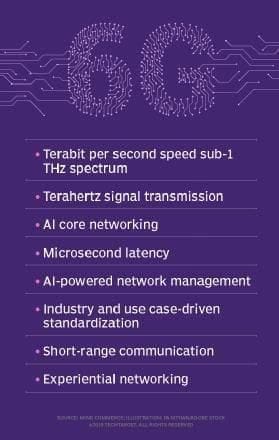
Why in News?
The advent of 6G technology is poised to transform communication, promising data transmission rates significantly surpassing those of 5G. This technology aims to harness untapped radio frequencies and cognitive technologies like AI, which could dramatically enhance connectivity and operational efficiency.
Key Takeaways:
- 6G technology is expected to operate at terahertz (THz) frequencies, enabling much faster data transfer.
- Artificial Intelligence (AI) will play a critical role in optimizing network performance.
- Massive MIMO technology will facilitate connections for a vast number of devices.
Additional Details:
- Terahertz (THz) Frequencies: Engineers are focusing on using THz waves, which can transmit data over hundreds of gigahertz, allowing for higher data capacity than 5G.
- Use of Artificial Intelligence: AI will enhance the reliability of data delivery and manage network traffic effectively.
- Massive MIMO (Multiple-Input Multiple-Output): This technology will support numerous devices and connections, crucial for the IoT ecosystem.
- 6G will feature network slicing, which allows prioritization of different types of data traffic, such as industrial automation and video streaming.
- Security: Enhanced security measures, including advanced encryption and authentication, are designed to protect sensitive data.
- Ultra-reliable low latency communication (URLLC) will address critical applications that require minimal delay.
- Sustainability: 6G aims to promote energy-efficient practices, enabling better resource management through closed-loop control.
India is actively preparing for the rollout of 6G technology, with expectations set for commercial deployment by 2030. The government is driving initiatives to bolster research and development in this field, including the establishment of a Technology Innovation Group on 6G (TIG-6G) to realize the Bharat 6G Vision.
Significance of 6G Technology
Key Takeaways:
- India has received over 127 patents related to 6G, highlighting its growing technological capabilities.
- An agreement with the US aims to enhance collaborative research in 6G technology.
Additional Details:
- Bharat 6G Vision: This initiative aims to create a secure and intelligent 6G network, enhancing connectivity for improved quality of life.
- The International Telecommunication Union (ITU) has recognized the 6G Vision Framework, underscoring India's contribution to global telecom standards.
As India prepares for the challenges associated with 6G, it is essential to consider issues such as infrastructure investment, security threats, and the complexity of technology deployment.
Challenges Related to 6G in India
Key Takeaways:
- Infrastructure investment is required to support the advanced capabilities of 6G.
- Security concerns may arise due to the high speeds and data volumes associated with 6G networks.
Additional Details:
- Complex Technology: The intricate nature of 6G technology poses development and implementation challenges.
- Low availability of bandwidth and insufficient fiber connectivity can hinder the deployment of 6G networks.
Despite these challenges, the potential applications of 6G are vast, ranging from healthcare advancements to transformative education methods, promising significant benefits for society.
Applications of 6G Technology
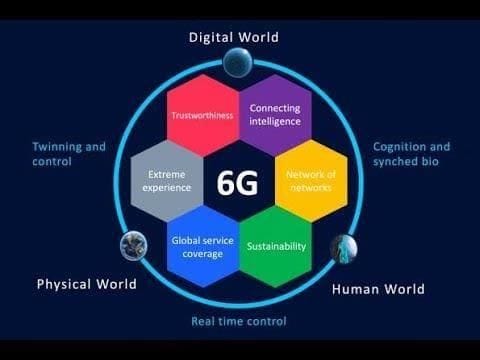
Key Takeaways:
- 6G will enhance healthcare services through AI-enabled ambulances and remote monitoring.
- Smart agriculture systems will utilize IoT and AI for predictive analytics.
Additional Details:
- Transportation: Urban Air Mobility (UAM) innovations, such as eVTOL aircraft, will be facilitated by 6G technology, easing urban traffic issues.
- In education, 6G will allow for interactive learning experiences through virtual connections.
- Internet of Things (IoT): The capabilities of 6G will significantly improve IoT applications, enabling real-time data sharing among numerous devices.
- Furthermore, 6G may support new space exploration applications, enhancing communication with space vehicles.
In conclusion, while the journey towards 6G implementation is fraught with challenges, the potential benefits and advancements it promises make it a critical area for investment and innovation.
ICMR Introduces First Stigma Scale for Sickle Cell Disease
Why is it News?
The Indian Council of Medical Research (ICMR) has created the ICMR-SCD Stigma Scale for India (ISSSI) to better understand and mitigate the stigma faced by patients and caregivers dealing with sickle cell disease (SCD).
Understanding Sickle Cell Disease (SCD)
- Nature of the Disease: SCD is a genetic condition where red blood cells become misshapen, resembling a sickle. This abnormal shape reduces the cells' ability to deliver oxygen throughout the body.
- Complications: The sickle-shaped cells can block blood vessels, break apart easily, and lead to anemia, damage to organs, and painful crises.
- Cause: SCD is inherited, requiring one faulty gene from each parent. If only one gene is faulty, the individual has sickle cell trait, which is usually less severe.
- Symptoms: Common symptoms of SCD include extreme tiredness (fatigue), body aches, swollen limbs, frequent infections, and damage to organs.
- Treatment Options: While there is no one-size-fits-all cure for SCD, treatments like bone marrow transplants and gene therapy show promise. Supportive care is essential for managing symptoms and improving quality of life.
Note: Anaemia involves having insufficient healthy red blood cells (RBCs) or hemoglobin in the blood. All individuals with SCD experience anaemia, but not all cases of anaemia are due to Sickle Cell Disease.
Overview of the ICMR-SCD Stigma Scale for India (ISSSI)
- Purpose: The ISSSI is the first tool in India aimed at measuring the stigma experienced by patients with sickle cell disease (SCD) and their caregivers.
- Developed by: The Indian Council of Medical Research (ICMR) created this scale to comprehend and address the social implications of SCD in India's diverse populations.
- Global Context: The ISSSI is the fourth stigma scale globally and the first to be validated for conditions specific to India.
- Scientific Validation: The scale was validated through a study published in The Lancet (Regional Health - South-East Asia).
- Availability: The ISSSI is now authorized for use in clinical and research settings throughout India.
- Components: The scale includes two versions - ISSSI-Pt for patients and ISSSI-Cg for caregivers.
- Stigma Dimensions: It addresses various aspects of stigma, including family expectations, reproductive issues, social disclosure, illness burden, interpersonal difficulties, and negative experiences in healthcare.
- Data Sources: The scale was developed using data from six culturally diverse districts: Alluri Seetharama Raju, Anuppur, Chhoteudepur, Kandhamal, Mysuru, and Udalguri.
India's Approach: Anaemia Mukt Bharat (AMB)
- Launch Year: The AMB Mission was initiated in 2018 with the goal of reducing anaemia through a comprehensive 6x6x6 strategy.
- Target Groups: The mission focuses on six groups: young children, school children, adolescents, women of reproductive age, pregnant women, and lactating mothers.
- Key Interventions: The interventions include providing iron and folic acid supplements, deworming, nutrition education, utilizing digital health tools, promoting IFA-fortified foods, and conducting disease screenings, which include screening for SCD.
- Supporting Systems: The mission is supported by inter-ministerial coordination, state-level units, research centers, the AMB Dashboard for monitoring, digital tracking, and supply chain management.
- Reach: AMB aims to impact approximately 450 million people, emphasizing real-time monitoring and effective last-mile delivery of services.
Core-Mantle Connectivity
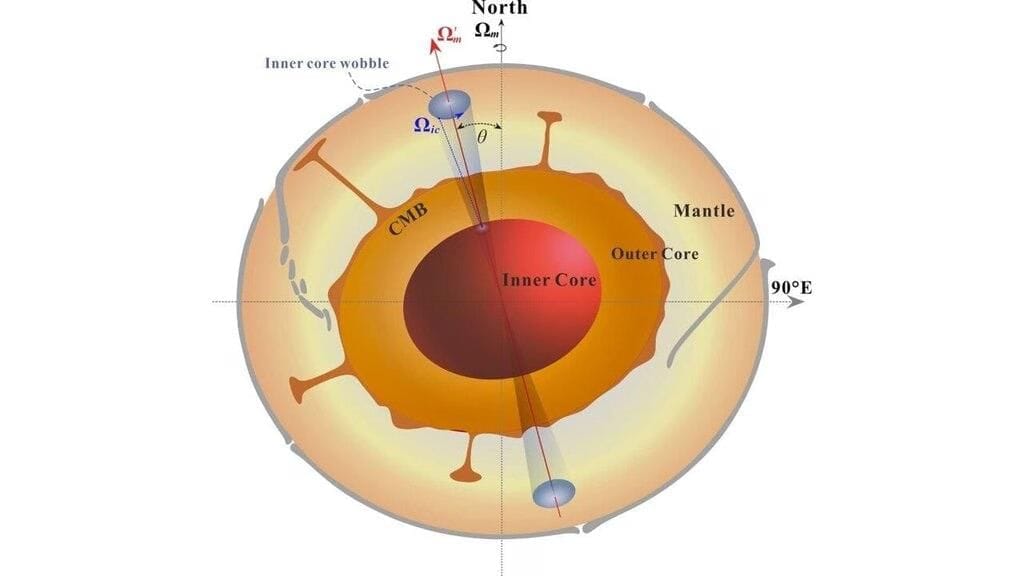
Why in News?
A recent study conducted by German researchers has uncovered that precious metals such as gold, platinum, and ruthenium are migrating from the Earth's core to the surface through volcanic activity. This challenges the long-held belief that the core remains geochemically isolated from the mantle and crust.
Key Takeaways
- Core-mantle material exchange is active, with core materials moving upward through mantle plumes.
- The Earth's core holds over 99.999% of the planet's gold and other siderophile elements, which were thought to be inaccessible.
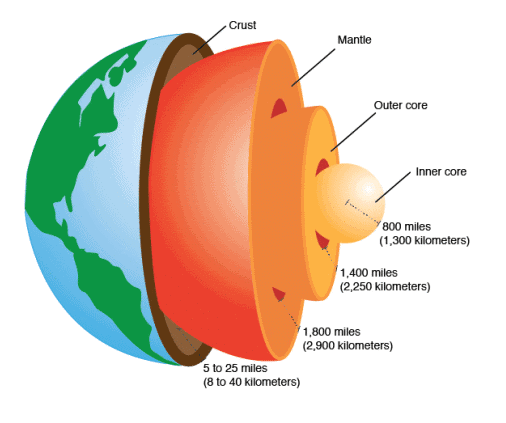
Additional Details
- Core-Mantle Material Exchange: Researchers observed volcanic rocks in Hawaii that are formed by mantle plumes rising from the core-mantle boundary. They discovered significant levels of ruthenium-100 (100Ru), an isotope predominantly found in the Earth's core, indicating a greater connectivity between the core and mantle than previously believed.
- Precious Metals in the Core: The Earth's core is rich in siderophile elements like gold, platinum, and iridium, which were once thought to be trapped beneath a thick rock barrier separating the core from the mantle and crust.
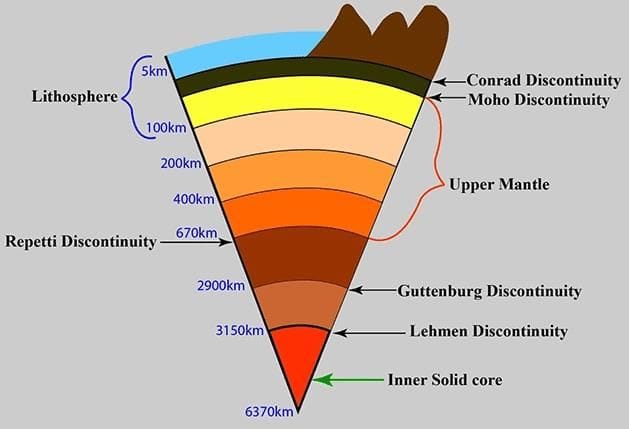
What are the Key Facts About Earth's Mantle & Core?
- Mantle: The mantle makes up about 83% of Earth's volume and 67% of its mass, extending from the Moho discontinuity (approximately 7-35 km deep) down to the core-mantle boundary at 2,900 km depth. It is primarily composed of silicate rocks rich in iron and magnesium.
- Density and State: The upper mantle's density ranges from 2.9 to 3.3 g/cm³, while the lower mantle's density varies from 3.3 to 5.7 g/cm³. The asthenosphere, a partially molten layer, allows for slow flow, while the lower mantle remains solid due to immense pressure.
- Temperature Gradient and Convection: Temperatures rise from around 200°C near the crust to nearly 4,000°C at the core-mantle boundary. This thermal gradient drives mantle convection, crucial for the movement of tectonic plates.
- Seismicity: Despite the high-pressure conditions, earthquakes can occur in subduction zones down to depths of 670 km within the mantle.
The Earth's core, lying beneath the mantle, starts around 2,900 km in depth and extends to the planet's center at approximately 6,371 km. The outer core, which is molten and approximately 2,250 km thick, generates the Earth's magnetic field through the geodynamo process. Meanwhile, the inner core is a solid sphere composed mainly of an iron-nickel alloy, despite extremely high temperatures, due to the pressure from the overlying layers.
Stratospheric Aerosol Injection
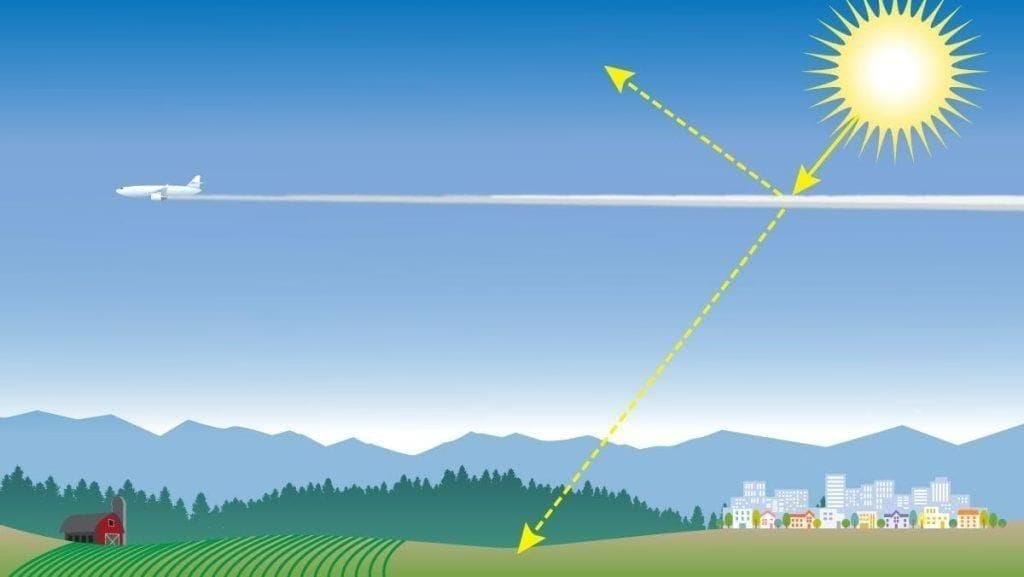
Why in News?
A recent study published in the journal Earth's Future has proposed an innovative approach to Stratospheric Aerosol Injection (SAI) that could potentially lower its costs and advance its implementation, despite existing opposition. SAI is a method aimed at cooling the planet and mitigating the effects of climate change by dispersing tiny reflective particles into the upper atmosphere.
Key Takeaways
- SAI mimics the natural cooling effects of volcanic eruptions by injecting sulfur dioxide (SO2) into the stratosphere.
- Aerosol particles reflect sunlight, thereby reducing global temperatures.
- Aerosols can be either natural or artificial, affecting air quality and climate.
Additional Details
- Aerosols: These are tiny solid or liquid particles suspended in air or gas. They can originate from natural sources, like volcanic eruptions, or from human activities, such as smoke from burning fossil fuels.
- Aerosol particles can be classified into primary aerosols, which are emitted directly into the atmosphere, and secondary aerosols, which form from precursor gases.
- True aerosol particles have diameters ranging from a few milli micrometres to about 1 micrometre. Particles smaller than 0.1 micrometre are known as Aitken nuclei.
- Visible forms of aerosol plumes include smoke, smog, haze, and dust.
Understanding the dynamics of stratospheric aerosol injection is crucial as it presents a potential method for counteracting climate change effects. However, the implementation of such techniques must be carefully considered in light of environmental and ethical implications.
Internet of Things (IoT)

Why in News?
The Internet of Things (IoT) has emerged as a transformative force, integrating intelligence into daily objects, thereby significantly influencing our lives. From smart refrigerators that track food freshness to security systems offering real-time alerts, IoT is enhancing the intuitiveness, efficiency, and security of our homes.
Key Takeaways
- The IoT is a network of physical devices featuring sensors and software that collect and exchange data.
- Key applications span across various sectors, including smart cities, homes, healthcare, and agriculture.
Additional Details
- Connectivity: IoT devices communicate over networks such as Wi-Fi, Bluetooth, and 5G, utilizing both wired and wireless connections.
- Automation & Intelligence: Devices autonomously make decisions, exemplified by self-driving cars responding to traffic conditions.
- Remote Monitoring: Users can access and manage devices remotely, such as viewing home security feeds via smartphones.
- Interoperability: Devices work in harmony using standardized protocols and compatible software, facilitated by open APIs.
- Data Analytics & AI Integration: Raw data is transformed into actionable insights, enhancing operations in smart cities.
In conclusion, the Internet of Things is revolutionizing various aspects of daily life and industry through enhanced connectivity and automation. However, it also faces significant challenges, particularly in terms of security and standardization, which must be addressed to fully realize its potential.
Neurodegenerative Diseases
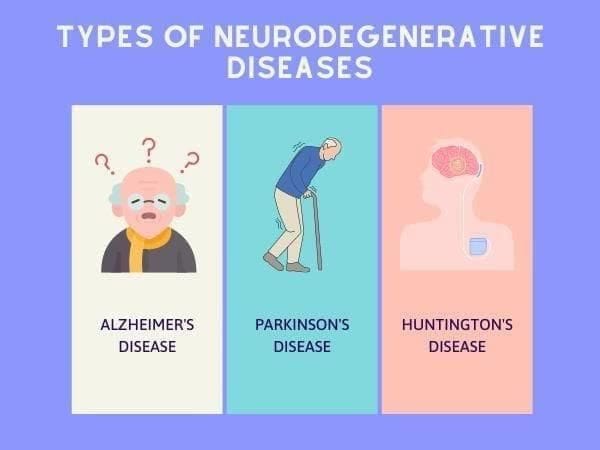
Why in News?
Recent studies conducted by the National Centre for Biological Sciences (NCBS-TIFR) and other research institutions have highlighted that neurodegenerative diseases may begin long before visible symptoms manifest. This process is driven by dysfunction in blood vessels and abnormal protein activity within the brain. This new perspective shifts the focus from direct neuronal damage to early vascular and molecular changes, facilitating earlier diagnosis and potential prevention strategies.
Key Takeaways
- Neurodegenerative diseases can start long before symptoms appear.
- Early vascular and molecular changes are critical in understanding these diseases.
What are Neurodegenerative Diseases?
- Definition: A collection of disorders characterized by the gradual breakdown or death of brain and nerve cells (neurons) over time.
- Consequences include issues with memory, movement, speech, and other essential body functions.
- Progression is typically gradual, and while there is no complete cure, treatments can alleviate symptoms.
Common Examples
- Alzheimer's Disease: Primarily affects memory and cognitive functions.
- Parkinson's Disease: Influences movement and balance.
- Amyotrophic Lateral Sclerosis (ALS): Affects motor neurons in the brain and spinal cord, controlling voluntary muscles.
- Huntington's Disease: Causes decay of nerve cells in the brain over time.
- Guillain-Barre Syndrome: A serious autoimmune disorder affecting the peripheral nervous system.
What does Recent Research Reveal about Early Causes of Neurodegenerative Diseases?
- Vascular Dysfunction and Blood-Brain Barrier (BBB) Breakdown:
The BBB is a protective layer formed by tightly connected cells lining brain blood vessels that regulates what enters the brain. Damage to this barrier, due to dysfunction of the protein TDP-43, leads to leakage that allows harmful substances to enter, resulting in inflammation and neuron loss. Studies in mice indicate these vascular changes occur early, before symptoms arise, suggesting blood vessel damage is a crucial early factor in neurodegeneration.
- Intracellular Membrane Signaling Failure (Esyt Protein Dysfunction):
Neurons rely on membrane contact sites between the plasma membrane and endoplasmic reticulum to transfer essential molecules like lipids and calcium, vital for cell signaling and survival. The Esyt protein plays a key role in this process by binding calcium. Impairment of Esyt function disrupts this signaling, endangering neuron health and possibly initiating degeneration.
What are the Key Factors Contributing to Neurodegenerative Diseases?
- Genetic Factors: Mutations in specific genes can disrupt normal neuronal function and repair, increasing vulnerability to degeneration. These mutations may be inherited or occur spontaneously.
- Protein Abnormalities: Accumulation of misfolded proteins, such as amyloid-beta in Alzheimer's disease and alpha-synuclein in Parkinson's disease, interferes with cell function, leading to neuronal toxicity and progressive damage.
- Oxidative Stress: An excess of free radicals can damage neuronal DNA, proteins, and membranes, with overwhelmed antioxidant defenses accelerating neuronal cell death.
- Mitochondrial Dysfunction: Impaired mitochondria fail to produce sufficient energy and release harmful byproducts, compromising neuron survival and promoting degeneration.
- Chronic Inflammation: Ongoing inflammation in the brain activates immune cells that can harm neurons, worsening disease progression.
- Environmental Factors: Exposure to toxins such as pesticides, heavy metals, or infections can induce cellular stress and damage, increasing the risk of neurodegeneration.
- Ageing: The natural ageing process weakens cellular repair and waste clearance mechanisms, making neurons more susceptible to damage and loss over time.
This new understanding of neurodegenerative diseases emphasizes the importance of recognizing early signs and risk factors, which can lead to more effective early interventions and better management of these debilitating conditions.
Voyager Tardigrades Experiment
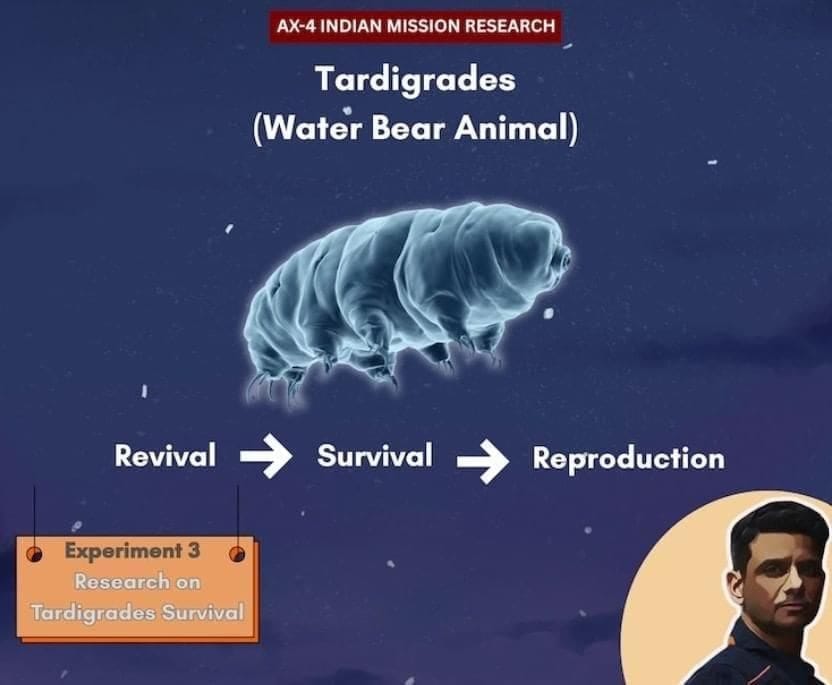
Why in the News?
Indian astronaut Shubhanshu Shukla, during his upcoming two-week mission on the International Space Station (ISS) under the Axiom-4 Mission, will conduct the Voyager Tardigrades experiment.
What are Tardigrades?
- Tardigrades, also known as "water bears" or "moss piglets," are tiny aquatic creatures that have been around for about 600 million years.
- They measure approximately 0.5 mm in length and have four pairs of clawed legs, along with a specialized mouth adapted for sucking nutrients from plant cells and small invertebrates.
- These microscopic animals inhabit a wide range of environments, including mosses, lichens, mountaintops, the depths of the ocean, and even extreme places like Antarctica.
- Tardigrades are renowned for their remarkable resilience. They have survived all five major mass extinction events in Earth's history and are capable of enduring conditions that would be lethal to most other forms of life.
About the Voyager Tardigrades Experiment:
- Overview: The experiment will be carried out by Indian astronaut Shubhanshu Shukla during his mission on the International Space Station (ISS).
- Experimental Process: Tardigrades will be transported in their dormant "tun" state, then revived and observed under microgravity conditions.
- Research Focus: The experiment aims to investigate how space radiation and microgravity impact tardigrade survival, reproduction, and DNA repair mechanisms.
- Scientific Objective: Researchers seek to identify the genes responsible for tardigrades' resilience in space and apply this knowledge to enhance astronaut protection and preserve biological materials during long-term space missions.
Significance of Tardigrades in Space Research:
- Extreme Survivors: Tardigrades are among the most resilient organisms on Earth, capable of surviving extreme temperatures, intense radiation, deep-sea pressure, and even the vacuum of space.
- Dormancy Mechanisms: Their survival strategy involves cryptobiosis and anhydrobiosis, where their metabolism nearly ceases, and their water content is drastically reduced.
- Protective Proteins: Tardigrades produce unique proteins like CAHS, which form a protective gel-like matrix around their cells, shielding them from damage in extreme environments.
- Biomedical Applications: Studying tardigrade proteins may lead to the development of radiation shields for astronauts, preservation methods for human tissues and organs, and advancements in cryopreservation techniques.
- Agricultural and Material Use: Insights gained from tardigrades could also contribute to engineering drought-resistant crops and designing new biomaterials for use on Earth and in space.
Russia Jolted by Powerful 8.8-Magnitude Earthquake
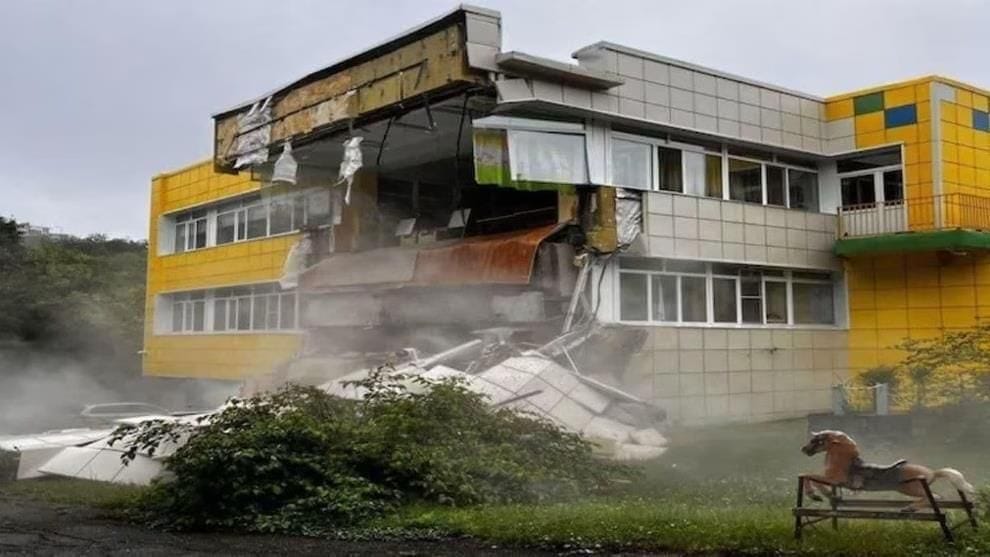 Why in News?
A powerful 8.8 magnitude earthquake struck off the coast of Russia's Kamchatka Peninsula, leading to widespread tsunami warnings across the Pacific. The quake, centered 119 km southeast of Petropavlovsk-Kamchatsky at a shallow depth of 19.3 km, was initially reported as 8.0 but later upgraded. It was followed by a strong 6.9 aftershock. This marks the strongest global quake since Japan's devastating 9.0 magnitude earthquake in March 2011 that triggered the Fukushima nuclear disaster.
Key Takeaways
- The Kamchatka earthquake is classified as a great earthquake, releasing immense energy.
- Each whole-number increase in magnitude corresponds to roughly 31.6 times more seismic energy.
- The region's seismic activity is due to tectonic plate movements, particularly subduction.
Additional Details
- Earthquake Magnitude: Refers to the measured energy released by an earthquake, while intensity describes the perceived shaking at specific locations.
- The Kamchatka Peninsula is one of the world's most earthquake-prone regions, having experienced several powerful quakes throughout history.
- Subduction Process: This geological process involves a denser tectonic plate sliding beneath a lighter one, leading to stress release and earthquakes.
- The Pacific Plate descends at a rate of approximately 86 mm per year, causing periodic massive earthquakes and tsunamis.
- The area is part of the Pacific Ocean's Ring of Fire, known for its intense seismic and volcanic activity.
- More than 15 countries, including Russia and Japan, are affected by the Ring of Fire, which generates about 80% of major earthquakes globally.
The recent earthquake in Kamchatka exemplifies the ongoing tectonic activity in the region, highlighting the importance of understanding seismic risks and preparing for potential future events.
CRIB Blood Group Discovery
Why in News?
A new blood group named CRIB has been discovered in a woman from Kolar district in Karnataka, marking a historic finding as it is previously unidentified globally. This discovery was announced at the 35th Regional Congress of the International Society of Blood Transfusion (ISBT) held in Milan, Italy.
Key Takeaways
- The CRIB blood group is part of the Cromer (CR) blood group system.
- CRIB stands for "Cromer" and "India, Bangalore," reflecting its origin.
- Identifying new antigens like CRIB enhances safety in blood transfusions.
Additional Details
- Cromer Blood Group System: This system includes 12 high-prevalence antigens and 3 low-prevalence antigens found on the decay-accelerating factor (DAF).
- Rare Blood Types: A rare blood type is defined as one that is present in only 0.1% of the population, which can complicate transfusions and surgeries if antibodies develop.
The identification of new blood groups and antigens is crucial for improving compatibility testing and donor matching in medical emergencies, thereby enhancing the overall safety of blood transfusions.
NASA-ISRO Synthetic Aperture Radar (NISAR)
Why in News?
The NASA-ISRO Synthetic Aperture Radar (NISAR) is scheduled for launch from Sriharikota, India, utilizing the GSLV Mk-II launch vehicle.
Key Takeaways
- Launch Vehicle: GSLV Mk-II
- Launch Site: Sriharikota, India
- Mission Life: Planned for 3 years, with a design lifespan of over 5 years
- Orbit: Sun-synchronous polar orbit at an altitude of 747 km with an inclination of 98.4°
- Data Access: Free and near real-time data, with disaster maps provided in under 5 hours
Additional Details
- Objective: High-precision monitoring of Earth's surface changes, including tectonics, agriculture, ecosystems, ice, floods, and landslides.
- Hardware Contributions:
- NASA: L-band SAR, 12-meter antenna, avionics.
- ISRO: S-band SAR, satellite bus, launch services.
- Development Timeline:
- Initial Concept: 2007 (NASA); ISRO joined in 2012.
- Formal Agreement: 2014.
- Investment: NASA - ~$1.16 billion; ISRO - ~$90 million.
Key Features of NISAR
- What is Synthetic Aperture Radar (SAR)?
- Operates day/night and in all weather conditions.
- Simulates a large radar antenna through motion.
- Pierces clouds, vegetation, and soil.
- Dual-Band SAR:
- L-band SAR (1.257 GHz): Provides deeper penetration, ideal for forests, tectonic shifts, and permafrost.
- S-band SAR (3.2 GHz): Focuses on surface details, aiding in agriculture, flood mapping, and biomass tracking.
- Radar Antenna: 12-meter deployable mesh reflector.
- Resolution: 3-10 m spatial; cm-level vertical resolution.
- Swath Width: 240 km.
- Imaging Frequency: Global land/ice coverage every 12 days, less frequent in polar zones.
- Data Output: Generates 80 TB/day, which is three times the capacity of current Earth observatories.
Applications and Impact
- Disaster Relief: Provides before-and-after imagery for effective planning.
- Climate Monitoring: Tracks glacier melt and forest degradation.
- Agriculture: Monitors crop health, rotation, and food security.
- Infrastructure: Detects land subsidence in areas such as dams and cities.
- Strategic Value: Represents one of the most powerful Earth-observing radar satellites, the first with dual SAR payload, and enhances the India-US space partnership.
The NISAR mission exemplifies a significant collaboration in space technology, combining resources from NASA and ISRO to achieve groundbreaking advancements in Earth observation and monitoring.
N-Nitrosodimethylamine (NDMA)
Why in News?
The Drug Controller General of India (DCGI) has mandated that drug controllers across all States and Union Territories instruct manufacturers to monitor the levels of a potentially carcinogenic chemical known as N-Nitrosodimethylamine in antacid Ranitidine.
Key Takeaways
- NDMA is a volatile organic compound commonly found in the environment.
- It is classified as a probable human carcinogen based on animal research.
- Exposure to NDMA can occur through environmental sources and contaminated food or medications.
Additional Details
- N-Nitrosodimethylamine: NDMA is a yellow, odorless liquid that was historically used in the production of rocket fuel and is a byproduct of various industrial processes, including water chlorination.
- NDMA is formed when secondary or tertiary amines react with nitrite ions under acidic conditions.
- Common sources of NDMA exposure include processed foods like cured meats (especially bacon), beer, fish, cheese, and even some vegetables.
- People are typically exposed to small amounts of NDMA through their diet and the environment.
In summary, the presence of NDMA in medications like Ranitidine poses potential health risks, especially considering its classification as a probable carcinogen. Monitoring and regulation of this compound are crucial for public health safety.
What is Legionnaires' Disease?
Why in News?
Residents of Central Harlem, New York City, are being urged to take precautions due to recent cases of Legionnaires' disease, leading health authorities to initiate an urgent investigation.
Key Takeaways
- Legionnaires' disease is a serious lung infection caused by the bacterium Legionella.
- The disease is primarily transmitted through inhalation of contaminated water or soil.
- It is non-contagious and cannot be spread from person to person.
- Older adults and individuals with weakened immune systems are at greater risk.
Additional Details
- Transmission:Legionella bacteria are commonly found in freshwater environments like lakes and rivers, as well as in soil. Most infections occur when individuals breathe in contaminated aerosols from water sources.
- The disease is not spread through drinking contaminated water unless it is aspirated into the lungs.
- Symptoms: Common symptoms include fever, chills, headaches, malaise, and muscle pain (myalgia). Untreated cases can be fatal.
- Treatment: Early treatment with antibiotics is usually effective. However, some patients may continue to experience health issues even after treatment.
In summary, Legionnaires' disease poses a serious health risk, particularly for vulnerable populations, and requires prompt medical attention to ensure effective treatment.
Deep-Brain Stimulation
Why in News?
Deep-Brain Stimulation (DBS) has gained attention as an innovative medical technique that has been employed by over 160,000 individuals globally to address specific neurological and psychiatric disorders.
Key Takeaways
- DBS involves the implantation of electrodes in targeted brain areas.
- The technique is primarily used for treating movement disorders.
- DBS can also be used for certain psychiatric conditions.
Additional Details
- What is Deep-Brain Stimulation? DBS is a medical procedure where electrodes are surgically implanted into specific regions of the brain to help treat various disorders. These electrodes are linked to a device, similar to a pacemaker, which is placed under the skin and delivers controlled electrical impulses to the brain.
- How does it work? The device sends mild electrical impulses to targeted brain regions, helping to correct abnormal brain activity or chemical imbalances. This is particularly effective for conditions where faulty electrical signals cause symptoms.
- Applications: DBS is most widely recognized for its effectiveness in movement disorders such as Parkinson's disease, essential tremor, and dystonia, particularly for patients whose symptoms are unresponsive to medication. It has also been approved for treating obsessive-compulsive disorder and is being researched for conditions like severe depression and epilepsy.
- Advantages of DBS: One significant benefit of DBS is its reversible nature; if the device is turned off, the stimulation ceases, unlike traditional surgeries that destroy brain tissue. It is believed to help normalize disrupted brain circuits at both the cellular and network levels.
Overall, Deep-Brain Stimulation holds promise for enhancing the quality of life for individuals with challenging neurological and psychiatric disorders by providing a method to manage and alleviate symptoms effectively.
India's First Hydrogen Train Coach: A Step Towards Green Railways
Why in News?
Indian Railways has achieved a significant milestone by successfully testing its first hydrogen-powered coach at the Integral Coach Factory (ICF) in Chennai. This initiative represents a crucial advance towards the launch of India's inaugural hydrogen-powered train, supporting the nation's objectives of reducing greenhouse gas emissions and enhancing the use of renewable energy sources.
Key Takeaways
- The hydrogen train project is currently in the final testing stage before commercial rollout.
- Hydrogen, as a clean fuel, aims to reduce India's dependence on fossil fuels.
- Only a few countries have embarked on similar hydrogen projects, most of which remain experimental.
Additional Details
- Hydrogen Train Project: Launched by Northern Railway in 2020-21, the project involves retrofitting two 1600 HorsePower (HP) diesel power cars into hydrogen fuel cell-powered units.
- The project includes establishing a hydrogen storage and fuelling facility at Jind, Haryana, with a capacity of 3,000 kg of hydrogen.
- The Research Design & Standards Organisation (RDSO) is overseeing the design, testing, and validation processes.
- The retrofitted train will have 10 coaches and can accommodate over 2,600 passengers, operating between Jind and Sonepat in Haryana with two daily round trips covering 356 km.
- Safety Measures: Given hydrogen's flammability, safety protocols include pressure relief valves, leak detection sensors, temperature monitors, and optimized ventilation systems. Computational fluid dynamics (CFD) studies simulate worst-case leak scenarios.
- To ensure adherence to global safety standards, the German firm TUV-SUD has been appointed as an independent safety auditor, with engineering led by Medha Servo Drives at ICF Chennai.
- The hydrogen fuelling facility at Jind will have two storage sections: 2,320 kg at low pressure and 680 kg at high pressure, complying with the Petroleum Explosives Safety Organisation (PESO) standards.
- Supporting infrastructure, such as power supply lines and firefighting tanks, is being developed to optimize facility operations.
- The initiative is part of the "Hydrogen for Heritage" project, which plans to deploy 35 hydrogen-powered trains on heritage and hill routes, each costing around ₹80 crore, with an additional ₹70 crore allocated for infrastructure per route.
- Although the operational costs of hydrogen-powered trains are high, they are expected to decrease with advancements in scale and efficiency.
- Hydrogen's appeal lies in its zero carbon emissions, aligning with India's green energy aspirations.
- India's hydrogen initiatives extend beyond railways; in 2024, a hydrogen-fueled bus was presented to Bhutan's Prime Minister, highlighting India's broader commitment to sustainable mobility.
This innovative step towards hydrogen-powered transportation reflects India's commitment to sustainable development and reducing carbon footprints in various sectors.
Novel Microscope Observes Molecular Motion
Why in News?
Scientists at the California Institute of Technology (Caltech) have developed a groundbreaking microscope that allows for real-time observation of molecular movements at an incredibly small scale, over a century after Albert Einstein's explanation of Brownian motion.
Key Takeaways
- This microscope showcases molecular motion in real time.
- It operates at an angstrom-level resolution, enabling detailed observation.
- The technology captures hundreds of billions of frames per second.
Additional Details
- Brownian Motion: This refers to the random movement of tiny particles in a fluid caused by constant collisions with surrounding molecules, which supports the existence of atoms and molecules as explained by Einstein in 1905.
- Particle Behavior: Smaller particles exhibit faster and more erratic movements, while larger particles move more slowly.
- Caltech Microscope Features:
- Resolution: Angstrom-level (1 Å = 0.0000000001 m).
- Speed: Capable of capturing hundreds of billions of frames per second.
- Advantage: Provides wide-field, single-shot imaging without damaging the sample.
- How It Works:
- Fluorescent molecules in water are illuminated by ultrafast lasers.
- Scattered light is directed through a Digital Micromirror Device.
- Light is converted to electron patterns to reveal molecular size-faster changes indicate smaller molecules, while slower changes indicate larger ones.
This innovative microscope represents a significant advancement in the field of molecular biology and materials science, allowing researchers to observe and analyze molecular dynamics in unprecedented detail.
Foot and Mouth Disease (FMD)
Why in News?
Recently, the deaths of 16 chitals, or spotted deer, at the Rajiv Gandhi Zoological Park in Pune have been confirmed to be due to Foot and Mouth Disease (FMD) following lab reports.
Key Takeaways
- FMD is a highly contagious viral disease affecting cloven-hoofed animals.
- It does not pose a threat to human health or food safety.
- The disease is transmitted through direct and indirect contact with infected animals.
Additional Details
- About Foot and Mouth Disease (FMD): FMD is caused by an aphthovirus from the family Picornaviridae and affects animals like cattle, sheep, goats, deer, and pigs. It is not related to the common childhood illness known as hand, foot, and mouth disease, which is caused by a different virus.
- Transmission: The virus spreads through direct contact with infected animals or indirectly via secretions (like milk and semen) and can also be carried by mechanical vectors such as people, vehicles, and even through air movement.
- Symptoms: FMD is characterized by symptoms such as fever, blister-like sores on the tongue and lips, lameness, and reluctance to eat. It can lead to severe production losses in livestock.
- Vaccination: Vaccines for FMD are available but need to be specific to the virus type causing the outbreak. There are seven known strains of the virus.
In conclusion, while the majority of infected animals can recover, FMD often leaves them weakened and can be fatal, especially in young animals. The disease remains a significant concern for livestock production and trade.
NISAR Satellite - A Landmark NASA-ISRO Collaboration for Earth Observation
Why in News?
The Indian Space Research Organisation (ISRO) is preparing to launch the NISAR satellite from Sriharikota aboard a GSLV Mk-II rocket. This mission, which is a collaboration between NASA and ISRO, is set to take place on July 30 and is regarded as one of the most advanced Earth observation missions globally, with a budget of Rs. 12,000 crore and over a decade of development.
Key Takeaways
- NISAR is the first dual-band radar satellite for Earth observation.
- It combines NASA's radar technology with ISRO's engineering expertise.
- The satellite will monitor various environmental and disaster-related phenomena.
Additional Details
- Unique Features:NISAR is equipped with dual-frequency synthetic aperture radar (SAR), featuring:
- L-band radar (1.257 GHz): Suitable for penetrating dense forests and soil to assess subsurface movements.
- S-band radar (3.2 GHz): Optimized for surface-level observations, including crop growth and biomass estimates.
- Wide Coverage: The radar swath width is 240 km, with a spatial resolution of 3-10 meters, enabling precise tracking of phenomena such as land subsidence.
- Scientific Applications: NISAR supports research across six key themes, including solid Earth processes, ecosystems, and disaster response.
- India-Specific Enhancements: While NISAR will function globally, ISRO will operate the S-band radar over India to enhance applications in agriculture, forestry, and disaster management.
- Data Accessibility: NISAR will adopt an open-data policy, ensuring data availability typically within a few hours after acquisition.
In conclusion, NISAR represents a significant advancement in Earth observation technology, contributing to global scientific knowledge and supporting various applications critical for environmental monitoring and disaster response.
AI for India 2.0 Programme
Why in News?
The Minister of State (Independent Charge) for the Ministry of Skill Development and Entrepreneurship (MSDE) recently updated the Rajya Sabha about the AI for India 2.0 Programme, which aims to enhance skill development in Artificial Intelligence (AI) and Machine Learning (ML).
Key Takeaways
- The programme was launched in 2023 on the occasion of 'World Youth Skills Day'.
- It offers free online training in AI and ML with a focus on vernacular accessibility.
- Content is available in nine Indian languages, including Hindi, Telugu, and Kannada.
- The target audience includes college students, fresh graduates, and early-career professionals, particularly from rural and non-English-speaking backgrounds.
Additional Details
- Special Focus on Vernacular Languages: The programme emphasizes content delivery in local languages, thereby empowering youth and making tech education accessible.
- Collaboration: It is a joint initiative involving GUVI (Grab Ur Vernacular Imprint), an ed-tech company incubated by IIT Madras and IIM Ahmedabad, along with Skill India, aiming to promote education in vernacular languages.
- The programme is nationally accredited by NCVET and IIT Madras, ensuring the quality and recognition of the training provided.
This initiative represents a significant step towards equipping young individuals with cutting-edge skills in AI and ML, ultimately contributing to the growth of a skilled workforce in India.
What is Lumpy Skin Disease (LSD)?
Why in News?
The Pune district is currently facing the challenge of Lumpy Skin Disease (LSD), with more than 900 cattle reported as infected and new cases emerging daily. This situation poses a significant risk to the local milk supply.
Key Takeaways
- Lumpy Skin Disease (LSD): A highly infectious viral disease affecting cattle and water buffalo.
- Causative Agent: Caused by the lumpy skin disease virus (LSDV), a member of the Capripoxvirus genus.
- Transmission: Spread by blood-feeding insects and contaminated feeding and watering sources.
- Symptoms: High fever, enlarged lymph nodes, and multiple skin nodules.
- Treatment: No specific treatment; prevention through vaccination is crucial.
Additional Details
- Causative Agent: LSDV is not zoonotic, meaning it cannot be transmitted to humans. It is part of the Poxviridae family, which includes smallpox and monkeypox viruses.
- Endemic Regions: LSD is endemic in Africa and the Middle East, with increasing cases reported in Europe and Southeast Asia. It is especially prevalent during the wet summer and fall months, particularly in low-lying areas near water bodies.
- Economic Impact: The disease can lead to a temporary reduction in milk production, temporary or permanent sterility in bulls, damage to hides, and in severe cases, death.
- Transmission Details: Infected animals can shed the virus through oral and nasal secretions, contaminating common feeding and watering troughs, facilitating further spread.
- Supportive Care: Infected animals may receive supportive care, including antibiotics, painkillers, and wound care sprays to manage symptoms.
In summary, Lumpy Skin Disease poses a serious threat to cattle health and local economies, highlighting the importance of awareness and proactive vaccination strategies to mitigate its impact.
Winter Fog Experiment (WiFEX)
Why in News?
The Winter Fog Experiment (WiFEX) has achieved a significant milestone, marking ten years of extensive research focused on the dense winter fog in North India.
Key Takeaways
- Launched in winter 2015 at Indira Gandhi International Airport, New Delhi.
- Led by the Indian Institute of Tropical Meteorology in collaboration with various governmental bodies.
- One of the few long-term experiments worldwide dedicated to studying fog phenomena.
Additional Details
- Objectives: The primary goals of WiFEX include enhancing the now-casting (next 6 hours) and forecasting capabilities for winter fog across different time and spatial scales.
- Impact: Aims to mitigate the adverse effects of fog on transportation, aviation, and the economy, as well as to reduce accidents caused by poor visibility.
- Methodology: Utilizes advanced instruments such as micrometeorology towers, ceilometers, and high-frequency sensors to gather comprehensive data on various atmospheric parameters, constructing a unique dataset that helps in understanding the formation and dissipation of dense fog.
- Forecasting Model: The insights gained have contributed to the creation of a high-resolution (3 km) probabilistic fog prediction model, recognized as one of the most sophisticated forecasting tools in the region.
The model has demonstrated over 85% accuracy in predicting the onset, density, duration, and clearance of very dense fog (visibility below 200 meters), thereby significantly improving operational forecasting capabilities.
AdFalciVax Vaccine
 Why in News?
The Indian Council of Medical Research (ICMR) is in the process of developing a new malaria vaccine candidate named AdFalciVax, aimed specifically at combating the Plasmodium falciparum parasite.
Key Takeaways
- AdFalciVax is a recombinant vaccine, utilizing parts of genes to trigger an immune response.
- It is developed in collaboration with various research institutes and utilizes a safe, food-grade bacterium for production.
- The vaccine targets multiple stages of the malaria parasite lifecycle.
- It offers advantages over existing malaria vaccines in terms of cost-effectiveness and storage requirements.
Additional Details
- Recombinant Vaccine: This type of vaccine uses genetic engineering to insert specific parts of the malaria parasite's genes into a host cell, prompting the expression of target proteins that elicit an immune response.
- Collaboration: The development of AdFalciVax involves the Regional Medical Research Centre in Bhubaneswar (RMRCBB), the National Institute of Malaria Research (NIMR), and the Department of Biotechnology's National Institute of Immunology (DBT-NII).
- Production: The vaccine is produced using Lactococcus lactis, a safe, food-grade bacterium, which aids in the vaccine's safety profile.
- Dual-Stage Protection: Unlike existing vaccines that target only one stage of the parasite, AdFalciVax incorporates antigenic components that focus on both the pre-erythrocytic and sexual stages, aiming to enhance individual protection and reduce transmission through mosquitoes.
- Storage Benefits: The formulation of AdFalciVax remains potent for over nine months at room temperature, thus minimizing the challenges associated with cold chain logistics in vaccine distribution, especially in remote areas.
In conclusion, the AdFalciVax vaccine represents a promising advancement in malaria prevention, offering unique benefits and a dual-target approach to combat one of the world's most significant health challenges.
Chikungunya: A Growing Concern
Why in News?
The Ministry of Health in China has launched an emergency campaign to protect individuals at risk of Chikungunya fever, a mosquito-borne viral disease that is becoming increasingly prevalent.
Key Takeaways
- Chikungunya is caused by the Chikungunya Virus (CHIKV).
- Symptoms include fever and severe joint pain, often leading to misdiagnosis with diseases like dengue and Zika.
Additional Details
- Transmission: The disease is transmitted to humans through the bites of infected female mosquitoes, primarily Aedes aegypti and Aedes albopictus. These mosquitoes can also carry other viruses such as dengue and Zika. Importantly, the infection is not contagious between humans.
- Symptoms: The onset of fever is abrupt, typically accompanied by joint pain. Other common symptoms include muscle pain, headache, nausea, fatigue, and rash. Severe joint pain may last for several days but can persist for months or even years. Serious complications are rare but can occur, particularly in elderly individuals and young children.
- Treatment: Currently, there is no vaccine or antiviral treatment available for Chikungunya. Management focuses on alleviating symptoms.
In summary, as Chikungunya cases rise, public health efforts are crucial to manage and mitigate the spread of this disease.
Gujarat's Tribal Genome Sequencing Project
Why in News?
Gujarat has initiated India's first Tribal Genome Sequencing Project aimed at mapping the genetic data of tribal communities, significantly contributing to the national Genome India Project (GIP).
Key Takeaways
- This project was announced in Gujarat's 2025-26 budget and is set to span over 5 years under the Gujarat Biotechnology Research Centre (GBRC).
- The focus is on genome sequencing of tribal communities, which constitute approximately 15% of Gujarat's population (around 1 crore individuals).
- The project aims to address the under-representation of tribal genetic data, which previously had only about 100 samples from Gujarat.
Additional Details
- Sample Size: The project will involve 4,158 individuals, including 378 trio families, to create a reference genome panel of 2,000 samples.
- Data Collection: Data will include blood, stool, genealogical, physiological, and lifestyle information.
- Precision Medicine Applications: The project will facilitate early detection of conditions such as sickle cell anemia, G6PD deficiency, and BRCA-linked cancers.
- Gene-Trait Mapping: It aims to explore genetic links to specific traits, including agility and archery skills.
- Genomic Sampling Protocol: The project will employ SNP genotyping to filter closely related samples and will conduct Whole Genome Sequencing (WGS) on 2,000 diverse samples using Illumina NovaSeq 6000 technology.
- Data Security: The project will ensure privacy and anonymity through double encryption methods.
The Gujarat Tribal Genome Sequencing Project not only enhances the understanding of tribal genetics but also contributes to the broader objectives of the Genome India Project, which aims to map genetic diversity across the country.
About the Genome India Project (GIP)
- Initiation: Launched in January 2020 by the Department of Biotechnology (DBT).
- Structure: It is a multi-institutional consortium involving leading Indian research organizations.
- Objectives:
- Diversity Mapping: To decode genetic variation across the Indian population.
- Reference Panel: To build a Single Nucleotide Polymorphism (SNP)-based haplotype database for Indian genomes.
- Biobank Creation: To establish DNA reserves for research and therapeutic development.
- Key Achievements:
- Sequenced 10,074 genomes from 99 ethnic groups.
- Data is securely stored at the Indian Biological Data Centre (IBDC) in Faridabad.
- Insights gained have revealed rare traits that aid in the development of affordable diagnostics and predictive tools.
This initiative not only enhances the understanding of India's genetic landscape but also provides valuable insights for global genomics research and its applications in healthcare.
INVICTUS: Europe's New Hypersonic Research Initiative
Why in News?
The European Space Agency (ESA) has recently collaborated with the UK-based company Frazer-Nash to launch the INVICTUS research programme, aimed at advancing hypersonic technologies.
Key Takeaways
- INVICTUS focuses on developing technologies for reusable vehicles that can launch horizontally.
- The programme is financed through ESA's General Support Technology Programme (GSTP) and the Technology Development Element (TDE).
- The research will involve a fully reusable experimental aerospace vehicle capable of flying at speeds of Mach 5 (five times the speed of sound).
- The vehicle aims to demonstrate critical technologies necessary for sustained hypersonic flight within the atmosphere.
Additional Details
- Vehicle Capabilities: The INVICTUS vehicle will be designed to be upgradable, allowing for the interchange of materials, software, and propulsion systems throughout various flight test campaigns.
- Technological Significance: The INVICTUS programme will validate the use of a hydrogen-fuelled precooled air-breathing propulsion system for both horizontal take-off and hypersonic flight.
- INVICTUS builds on previous technology advancements managed by ESA, providing opportunities for industry, agencies, and academia to test future hypersonic technologies in relevant environments.
Overall, the INVICTUS programme represents a significant step forward in hypersonic research, promising advancements that could shape the future of aerospace technology.
Piezo-Photocatalytic Water Filter
Why in News?
Indian scientists from INST Mohali, IIT-Dharwad, and IIT-Kharagpur have developed an innovative, cost-effective, and reusable water filter that effectively removes toxic industrial dyes through a process known as piezo-photocatalysis.
Key Takeaways
- The water filter utilizes a combination of sunlight and mechanical vibrations to function efficiently.
- It has shown promising results in laboratory tests, specifically in the removal of harmful dyes from water.
Additional Details
- Material Used: The filter is constructed using 3D-printed polylactic acid (PLA) sheets, which are biodegradable. These sheets are coated with bismuth ferrite (BFO) nanoparticles.
- Working Mechanism:The filter operates through two main processes:
- Photocatalysis: This process utilizes sunlight to decompose dye molecules.
- Piezoelectric Effect: It harnesses vibrations (such as ultrasound) to enable functioning even in the absence of light.
- Performance: The filter can be reused up to 5 times with only a 3% loss in efficiency. Laboratory tests have demonstrated a 99% removal rate for Congo Red dye and a 74% removal rate for Methylene Blue within 90 minutes.
- Significance: This technology is eco-friendly as it removes toxic dyes without the use of harmful chemicals or electricity.
- Cost-Effectiveness: It is a more affordable and safer alternative compared to traditional ozone or chemical-intensive treatment methods.
- Green Energy Use: The filter operates on renewable energy sources, utilizing sunlight and mechanical vibrations, thus requiring no external power supply.
- Policy Alignment: The development aligns with the goals of initiatives such as Namami Gange, Jal Nigam, and Aatmanirbhar Bharat.
- Scalability: This technology is ideally suited for deployment near textile treatment plants, promoting sustainable practices in water filtration.
This innovative approach offers a promising solution for water purification, addressing environmental concerns while supporting national initiatives aimed at sustainability.
Indian Astronomical Observatory (IAO) and the Interstellar Comet C/2025 N1 (ATLAS)
 Why in News?
Indian astronomers have successfully captured images of the interstellar comet C/2025 N1 (ATLAS), also referred to as 3I/ATLAS, using the Himalayan Chandra Telescope (HCT) located at the Indian Astronomical Observatory (IAO) in Hanle, Ladakh. This achievement highlights the capabilities of Indian astronomical research and the significance of the observatory's facilities.
Key Takeaways
- The Himalayan Chandra Telescope is a vital asset for astronomical research in India.
- The observatory is positioned at a high altitude, providing optimal conditions for observing celestial phenomena.
- Hanle is recognized as a Dark Sky Reserve, promoting the preservation of night sky quality.
Additional Details
- Indian Astronomical Observatory (IAO): The IAO, also known as the Hanle Observatory, is situated in the Hanle Valley of Ladakh at an altitude of 4500 metres above sea level.
- Established: Inaugurated in 2001, the observatory is managed by the Indian Institute of Astrophysics (IIA) based in Bengaluru.
- Geographical Features: The site is characterized by a dry, cold desert environment, minimal light pollution, and low atmospheric water vapour, making it ideal for astronomical observations.
- Infrastructure: The observatory houses a 2-meter aperture Himalayan Chandra Telescope (HCT), which is remotely operated from the Centre for Research and Education in Science and Technology (CREST) in Bengaluru. It is equipped with a solar power plant, satellite communication systems, and a liquid nitrogen plant for cooling detectors.
- Dark Sky Reserve: Hanle is designated as a Dark Sky Reserve by the International Dark-Sky Association, aimed at minimizing light pollution to preserve the quality of its night skies.
The successful imaging of comet C/2025 N1 (ATLAS) underscores the importance of the Indian Astronomical Observatory as a center for astronomical excellence and highlights the significant role of Indian scientists in the field of space exploration.
Solar EruptioN Integral Field Spectrograph
Why in News?
The Solar EruptioN Integral Field Spectrograph (SNIFS) is set to launch as part of a collaborative effort by NASA and international solar physicists from New Mexico. This mission aims to deepen our understanding of the solar atmosphere, particularly the complex chromosphere.
Key Takeaways
- SNIFS is designed to explore the dynamics and energetics of the solar chromosphere.
- It represents the first solar ultraviolet integral field spectrograph, combining imaging and spectrographic capabilities.
- The mission will observe real-time high-resolution data from both the chromosphere and the transition region of the Sun.
Additional Details
- Integral Field Spectrograph:This advanced technology merges two critical functions:
- Imagers: Capture extensive photos and videos, allowing for a broad view of light.
- Spectrographs: Analyze light by separating it into various wavelengths, helping identify elemental composition, temperature, and movement from a single location.
- Target Observation: The SNIFS mission will focus on the hydrogen Lyman-alpha line, which is the most intense line in the solar ultraviolet spectrum and a key diagnostic for assessing conditions in the upper chromosphere.
This innovative approach will enhance our comprehension of solar activities and their implications for space weather, contributing significantly to the field of solar physics.
What is Chronic Venous Insufficiency (CVI)?
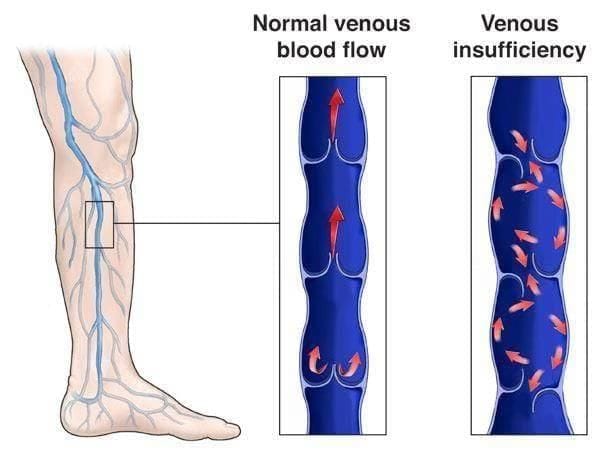 Why in News?
Recently, former US President Donald Trump has been diagnosed with Chronic Venous Insufficiency (CVI), a condition affecting blood flow in the legs.
Key Takeaways
- CVI occurs when leg veins struggle to return blood to the heart.
- It can lead to symptoms such as pain, swelling, and varicose veins.
- Risk factors include obesity, pregnancy, family history, and previous leg injuries.
Additional Details
- Chronic Venous Insufficiency: This condition arises when the valves in the leg veins do not function properly, causing blood to pool in the legs.
- The condition affects approximately 1 in 20 adults, with a higher prevalence among older individuals.
- Common symptoms include cramps, skin changes, and leg ulcers.
- Treatment options range from lifestyle changes such as regular exercise and weight management to more advanced methods like compression therapy and medication.
In summary, while CVI may not pose a serious health threat, it can significantly impact quality of life. Early intervention and treatment can help manage symptoms effectively.
What is a Protostar?
Why in News?
A recent discovery by a team of researchers at the IIST in Thiruvananthapuram has revealed the presence of radio emissions exhibiting circular polarization near a massive young protostar that is still in the process of formation, located approximately 4,500 light-years from Earth.
Key Takeaways
- A protostar is an early stage in the formation of a star.
- It consists of a large mass of gas and dust formed by the contraction of a giant molecular cloud in the interstellar medium.
- The protostar formation process can take anywhere from 100,000 to 10 million years, depending on the star's mass.
Additional Details
- Formation Process: The formation of a protostar begins with an increase in density in the molecular cloud core and concludes with the formation of a pre-main-sequence star.
- T-Tauri Stars: Pre-main-sequence stars that have similar mass to the Sun are classified as T-Tauri stars.
- Once hydrogen fusion ignites in the core, the star starts producing energy and transitions into a main sequence star.
- Protostars are typically enveloped in dust, which obstructs the light they emit, making them challenging to observe in the visible spectrum.
This discovery sheds light on the ongoing processes of star formation and helps enhance our understanding of the early stages of stellar evolution.
IIST Scientists Detected Circular Polarisation near Massive Protostar
Why in News?
Researchers at the Indian Institute of Space Science and Technology (IIST) have successfully detected radio emissions exhibiting circular polarisation near a young massive protostar known as IRAS 18162-2048. This discovery holds significant implications for understanding star formation and the role of magnetic fields in the universe.
Key Takeaways
- The discovery provides the first direct evidence of magnetic fields originating from the protostar itself.
- Circular polarisation is a rare phenomenon that offers insights into the magnetic environment surrounding protostars.
- The magnetic field strength near IRAS 18162-2048 is estimated to be 100 times stronger than that of Earth's magnetic field.
Additional Details
- About Protostars: Protostars are early-stage stars that form through the gravitational collapse of dense regions in molecular clouds. They are in the accretion phase, actively gathering gas and dust but not yet undergoing sustained nuclear fusion.
- Jet Ejection: These stars emit bipolar jets, which are high-speed streams of particles often observed at their poles.
- Massive Protostars: Protostars like IRAS 18162-2048 are expected to evolve into stars with masses exceeding 8-10 times that of the Sun.
- Challenges in Observation: The protostar is heavily obscured by dense gas and dust, complicating traditional observational methods.
- Recent Observations: The detection of circular polarisation in radio waves indicates the presence of strong magnetic fields, reinforcing the theory that such fields contribute to jet formation in both stars and black holes.
This breakthrough not only enhances our understanding of protostellar jet dynamics but also paves the way for future studies on the role of magnetic fields in star formation processes.
What is YD One?
Why in News?
In a significant advancement in mobility solutions, IIT Madras has recently introduced YD One, which is recognized as India's lightest wheelchair.
Key Takeaways
- YD One is India's lightest active wheelchair, weighing only nine kilograms.
- It is the first indigenously developed precision-built mono-tube rigid-frame wheelchair in the country.
- Developed by IIT Madras' TTK Center for Rehabilitation Research and Device Development (R2D2) in collaboration with Thryv Mobility.
- The wheelchair is fully customized to meet each user's unique body, posture, and mobility needs.
- Constructed from aerospace-grade materials, it offers maximum strength and energy efficiency.
- Can support users weighing up to 120 kilograms.
- The compact design facilitates easy lifting and accommodation in various vehicles, enhancing portability.
- YD One aims to deliver high-performance mobility at a significantly lower cost compared to imported alternatives.
Additional Details
- Customization: Each YD One wheelchair is tailored specifically for the user, ensuring optimal comfort and functionality.
- The lightweight structure addresses longstanding issues of portability, allowing users to travel more freely in cars, auto-rickshaws, and public transport.
- YD One is designed to provide users with greater independence and dignity, making mobility more accessible.
This innovative wheelchair represents a major step forward in mobility technology, combining advanced engineering with user-centric design.
Key Facts about Antimatter
Why in News?
Recently, an international team of scientists in Europe has made a groundbreaking observation. They found that the matter and antimatter versions of a specific type of subatomic particle known as a baryon decay at different rates for the first time.
Key Takeaways
- Antimatter has properties opposite to those of ordinary matter.
- Antimatter particles include positrons, antiprotons, and antineutrons, collectively known as antiparticles.
- Antimatter cannot coexist with matter without annihilating each other, resulting in significant energy release.
- Antimatter was formed alongside matter after the Big Bang but is scarce in the current universe.
- Humans can create antimatter using high-energy collisions in particle accelerators like the Large Hadron Collider.
Additional Details
- Antimatter: Antimatter is fundamentally similar to ordinary matter but possesses an opposite electric charge. For instance, the positron (e+) is the antimatter counterpart of the electron, carrying a positive charge, while the antiproton (p) has a negative charge.
- Annihilation: When matter and antimatter come into contact, they annihilate each other, releasing large amounts of energy in the form of gamma rays or other elementary particles.
- Creation of Antimatter: Antimatter can be produced in controlled environments, such as particle accelerators, where high-speed collisions facilitate its formation.
In summary, while antimatter was created during the Big Bang, it remains rare in the universe today. The ability to generate antimatter in laboratories opens up exciting avenues for research in physics and cosmology.
Coronal Mass Ejections
Why in News?
Astronomers have recently explained the fascinating phenomena behind Coronal Mass Ejections (CMEs), which led to spectacular northern lights observed in Ladakh during May 2024.
Key Takeaways
- CMEs are significant ejections of magnetized plasma from the Sun's corona.
- They are formed through magnetic reconnection, similar to solar flares.
- CMEs can travel at speeds between 250 km/s and 3000 km/s.
- When directed towards Earth, they can cause geomagnetic storms affecting technology.
Additional Details
- Formation of CMEs: These eruptions occur due to the twisting and realignment of the Sun's magnetic field, which can create strong localized magnetic fields that puncture the solar surface in active regions.
- CMEs typically occur near sunspot groups and often coincide with solar flares, although they do not always happen together.
- Speed and Size: CMEs can reach Earth in as little as 15-18 hours if they are directed at our planet, expanding to sizes that can span nearly a quarter of the distance from the Earth to the Sun.
- These events are most frequent during the solar maximum phase of the Sun's 11-year activity cycle.
In summary, CMEs are powerful solar phenomena with the potential to disrupt technological systems on Earth, highlighting the importance of monitoring solar activity.
Indian Council of Agricultural Research (ICAR) Celebrates 97 Years
Why in News?
The Indian Council of Agricultural Research (ICAR) recently celebrated its 97th Foundation Day, highlighting its nearly century-long contributions to the field of agriculture in India.
Key Takeaways
- Established on July 16, 1929, ICAR has evolved into a premier organization for agricultural research and education in India.
- ICAR oversees a vast network including 113 research institutes and 74 agricultural universities.
- India achieved record foodgrain production under ICAR's guidance, becoming the largest global producer and exporter of rice.
Additional Details
- Overview: ICAR operates as an autonomous body under the Department of Agricultural Research and Education (DARE), Ministry of Agriculture and Farmers Welfare, Government of India.
- Major Achievements:
- In 2024-25, India recorded foodgrain production of 353.95 million tonnes, ranking first in rice and second in wheat production.
- ICAR launched initiatives like "One Scientist One Product" and "Viksit Krishi Sankalp Abhiyan," impacting over 1.35 crore farmers.
- Research Contributions:
- Developed 679 field crop varieties, including bio-fortified options.
- Released 83 new horticultural varieties and established 9 Clean Plant Centres for disease-free germplasm.
- Natural Resource Management: Initiatives include the creation of a National Soil Spectral Library and promotion of climate-resilient practices.
- Livestock Sector Contributions: Registered 10 indigenous breeds and developed vaccines and diagnostic kits.
- Major National Programmes: Initiated global excellence centers and national missions on key agricultural commodities.
In summary, ICAR's ongoing efforts in agricultural research and education are pivotal in enhancing India's food security and agricultural productivity.
Breakthrough in Quantum Noise Research
Why in News?
Researchers at the Raman Research Institute (RRI) have discovered that quantum noise, typically viewed as detrimental, can actually facilitate a special connection between particles known as entanglement. This finding holds significant implications for the development of future quantum technologies.
Key Takeaways
- Quantum noise can sometimes generate or restore entanglement, contrary to its usual perception as harmful.
- Intraparticle entanglement shows resilience to noise, making it valuable for quantum technologies.
Additional Details
- Quantum Noise: Refers to random disturbances impacting quantum systems, leading to loss of coherence (decoherence). Traditionally, it is seen as a hindrance to quantum entanglement, essential for quantum computing and communication.
- Entanglement Concept: This phenomenon occurs when particles are correlated in such a way that the state of one instantly influences the state of another, regardless of the distance separating them.
- Effect of Decoherence: Noise-induced decoherence disrupts entanglement, diminishing the efficiency of quantum technologies.
- Types of Noise Studied:
- Amplitude Damping: Involves loss of energy.
- Phase Damping: Pertains to the loss of phase information.
- Depolarizing Noise: Characterized by random alterations in quantum states.
- Major observations indicate that under amplitude damping, intraparticle entanglement can experience delayed decay and even revival from unentangled states, unlike interparticle entanglement which shows steady decay without revival.
- Scientific Implications: This new perspective challenges the notion that quantum noise is purely detrimental, suggesting it can also be a resource in specific contexts.
- Technological Potential: The resilience of intraparticle entanglement to noise enhances its applicability in stable quantum devices, relevant for quantum communication, quantum key distribution (QKD), and quantum sensing.
- Predictive Advantage: A newly developed formula provides accurate predictions of entanglement behavior, assisting in the design of robust quantum systems.
- Platform Independence: The findings are applicable across various platforms, including photons, neutrons, and trapped ions.
This research marks a significant advancement in our understanding of quantum noise and its potential benefits, paving the way for more efficient quantum technologies.
3I/ATLAS: A Possible 7-Billion-Year-Old Interstellar Comet Discovered
Why in News?
Recently, astronomers utilizing the ATLAS telescope in Chile have discovered 3I/ATLAS, the third known interstellar object, which may also be the oldest comet ever identified, with an estimated age exceeding 7 billion years.
Key Takeaways
- 3I/ATLAS was detected on July 1, 2025, in Río Hurtado, Chile.
- It has been confirmed as interstellar due to its hyperbolic orbit and high velocity of 57-68 km/s.
- Its estimated age ranges from 7.6 to 14 billion years, surpassing the 4.5-billion-year age of our solar system.
Additional Details
- Nature: 3I/ATLAS appears as an interstellar comet, exhibiting signs of activity such as a coma (a cloud of dust and ice) and possibly a tail as it approaches the Sun.
- Composition: It is rich in water ice and complex organic compounds, displaying a reddish hue that suggests it contains ancient, primordial material.
- Size: The estimated diameter of its nucleus is between 10 and 30 km, making it larger than previous interstellar objects like 1I/'Oumuamua and 2I/Borisov.
- Trajectory: The comet's closest approach to Earth will be approximately 270 million km (with no threat) and to the Sun about 210 million km between October 29-30, 2025. After perihelion, it will exit the solar system permanently.
3I/ATLAS offers a rare opportunity to study materials originating from another star system, potentially revealing insights into the formation of the Milky Way, other solar systems, and early star formation processes.
Back2Basics: ATLAS Telescope
- ATLAS: The Asteroid Terrestrial-impact Last Alert System is a NASA-funded early warning initiative designed to detect small near-Earth objects (NEOs).
- Operated by the University of Hawaii's Institute for Astronomy, ATLAS encompasses five telescopes located in Hawaii, South Africa, Chile, and the Canary Islands.
- Each telescope features a 0.5-meter Wright-Schmidt design, a 1-meter focal length, and a 110 MP CCD detector with a 7.4° field of view.
- The system scans 20,000 square degrees of the sky three times a night, providing 1-3 week warnings for asteroids measuring 45-120 meters wide.
- In addition to asteroids, ATLAS is also capable of discovering supernovae, comets, dwarf planets, and variable stars.
What are Interstellar Objects?
- Overview: Interstellar objects are celestial bodies that originate outside our solar system and traverse through it on open-ended (hyperbolic) orbits.
- Key Characteristics:
- They are not gravitationally bound to the Sun.
- They travel at very high speeds, often unaffected by solar gravity.
- They do not return after passing through the inner solar system.
- Known Interstellar Visitors:
- (2017) - An asteroid-like object with no coma or tail.
- (2019) - An active comet exhibiting typical cometary features.
- (2025) - The object discussed above, 3I/ATLAS.
- Identification: Interstellar objects are confirmed through hyperbolic trajectories and high speeds that exceed gravitational escape velocity.
- Scientific Value:
- They provide direct clues regarding planetary formation beyond our solar system.
- They can unveil chemical signatures from other star systems.
- They allow for the study of primordial matter from distant regions of the galaxy.
- They act as natural probes from unknown areas of the Milky Way.
What is the difference between asteroids and comets?
- Asteroids are small rocky planetoids, while comets are composed of frozen gases held together by rocky and metallic materials.
- Asteroids are primarily located between the orbits of Jupiter and Mars, whereas comets are generally found between Venus and Mercury.
- Comets exhibit a visible glowing tail, while asteroids do not.
Air India Crash: Why Fuel Control Switches Matter
 Why in News?
The recent preliminary report from the Aircraft Accident Investigation Bureau (AAIB) concerning the Air India crash on June 12 has highlighted a critical issue: both engine fuel control switches transitioned from 'RUN' to 'CUTOFF' shortly after takeoff, which may have led to the accident. Cockpit recordings have revealed one pilot querying another about the potential fuel cut-off, which was denied. Despite both pilots having ample flying experience, investigators are currently analyzing flight and voice recorder data to discern the reasons behind the switch activation.
Key Takeaways
- The crash involved fuel control switches that are vital for engine operation.
- Investigations are ongoing to determine if human error, mechanical failure, or system malfunction led to the incident.
Additional Details
- Fuel Control Switches: These switches regulate the fuel flow to the engine and require intentional manual action to toggle between 'RUN' and 'CUTOFF'.
- On Boeing 787s, the switches are located below the thrust levers and are designed to prevent accidental activation through physical brackets and a stop-lock mechanism.
- In-flight usage is limited to emergencies, such as engine failure or severe damage. Under normal circumstances, accidental activation is deemed nearly impossible.
- In the case of Air India flight AI 171, both switches were moved to 'CUTOFF' immediately after takeoff, cutting off fuel from both engines.
- Experts contend that pilots typically only operate one switch at a time during mid-flight emergencies, as modern aircraft can fly on one engine alone.
- The fuel control switches in question are manufactured by Honeywell and have been previously flagged by the FAA for potential locking mechanism issues, which Air India did not address.
The preliminary findings raise significant concerns regarding cockpit procedures, safety checks, and possible technical faults. The investigation continues to explore the implications of the cockpit recordings, which suggest that neither pilot intentionally moved the switches during the climb.
Key Facts about Plague
Why in News?
A recent case in northern Arizona, United States, reported the first death from pneumonic plague in the region in 18 years, highlighting the ongoing risks associated with this infectious disease.
Key Takeaways
- Plague is caused by the bacterium Yersinia pestis.
- It primarily spreads through flea bites from infected animals.
- The disease has historical significance, notably during the Middle Ages in Europe.
- There are three main types of plague: bubonic, septicemic, and pneumonic.
Additional Details
- Pneumonic plague: This form of plague affects the lungs and is the most severe type, often resulting from untreated cases of other plague forms.
- Plague can be very severe, with a case-fatality ratio of 30% to 60% for bubonic plague and nearly always fatal for pneumonic plague if not treated.
- It can be effectively treated with antibiotics, but prompt medical intervention is crucial to prevent serious health complications or death.
This incident serves as a reminder of the persistent threat of plague, particularly in rural areas of the western United States and certain regions of Africa and Asia.
What are Optical Atomic Clocks?
Why in News?
Researchers have recently performed the most precise global comparison of ten optical atomic clocks. This groundbreaking work aims to redefine the second by 2030, transitioning from the traditional caesium clocks to more accurate optical clocks.
Key Takeaways
- Global comparison of optical atomic clocks is paving the way for redefining the SI second.
- Optical clocks are expected to replace caesium clocks by 2030 due to their superior precision.
Additional Details
- Definition of a Second: The current SI unit of time is defined using caesium-133 (Cs) atomic clocks. In 1967, one second was established as the duration of 9,192,631,770 cycles of radiation corresponding to transitions in Cs-133 atoms.
- In caesium clocks, a microwave signal is fine-tuned until the Cs atoms respond maximally, ensuring the frequency is accurately set to 9,192,631,770 Hz. Frequency dividers count this microwave frequency, providing one tick per second, thereby realizing the SI definition of a second.
- About Caesium Atomic Clocks: These clocks utilize the oscillation frequency of caesium-133 atoms to define the current SI unit of time.
- Working Principle: Caesium clocks work by tuning microwave signals to resonate with caesium atoms and counting the resulting oscillations to measure time precisely.
- Stability and Usage: Caesium atomic clocks are highly stable and have been instrumental in establishing international time standards.
- Applications: They are widely used in GPS systems, telecommunications, scientific research, and by national metrology institutions like India's National Physical Laboratory (NPL).
- Accuracy: A typical caesium atomic clock loses about one second every 300 million years.
- Optical Atomic Clocks: These advanced timekeeping devices operate using optical (visible light) frequency transitions in atoms like Strontium (Sr) and Ytterbium (Yb).
- Measurement Basis: Optical clocks measure time based on the oscillation of light emitted during atomic transitions at frequencies in the hundreds of trillions of Hz.
- Example Frequencies: Strontium clocks operate at approximately 429 trillion Hz, while Ytterbium ions exceed 642 trillion Hz.
- Precision Tools: They require advanced equipment like lasers and optical frequency combs to accurately count rapid oscillations.
- Future Standard: Optical atomic clocks are being tested globally and are anticipated to replace caesium clocks by 2030, redefining the SI second.
- How Optical Atomic Clocks are Better than Caesium:
- Higher Frequency Operation: Optical clocks function at much higher frequencies, allowing for finer time divisions.
- Improved Precision: By counting 10,000 times more oscillations per second, optical clocks achieve remarkable precision and stability.
- Unmatched Accuracy: An optical atomic clock using strontium reportedly drifts by less than one second in 15 billion years, in contrast to the 300 million years drift seen in caesium clocks.
- Advanced Applications: Their precision is vital for next-generation GPS systems, gravitational wave detection, and climate monitoring.
- Ultra-High Synchronization: Optical clocks allow for cross-continental synchronization with an accuracy of up to 18 decimal places, crucial for global time coordination.
- Noise Resilience: They exhibit greater resistance to environmental noise and external disturbances, enhancing long-term reliability.
In conclusion, the advancement in optical atomic clocks signifies a major leap in timekeeping technology, promising unparalleled accuracy and precision that will redefine our understanding of the second.
Miniature Plasma Loops
 Why in News?
A recent study by astronomers at the Indian Institute of Astrophysics (IIA) and their collaborators has revealed the existence of miniature plasma loops in the Sun's atmosphere. These elusive structures were captured using advanced high-resolution imaging and spectroscopy techniques.
Key Takeaways
- Miniature plasma loops are approximately 3,000-4,000 kilometers long and less than 100 kilometers wide.
- These loops are short-lived and have remained hidden until now, providing new insights into solar activity.
- They hold significant clues about how the Sun stores and releases magnetic energy.
- These structures enhance our understanding of coronal loops, which are larger arc-like structures of hot plasma in the solar corona.
Additional Details
- Coronal Loops: These are magnificent arc-like formations of hot plasma in the Sun's outer layer, glowing at temperatures exceeding one million degrees. Understanding the dynamics of miniature loops can help explain the behavior of these larger structures.
- The study of miniature loops is challenging as they are often concealed in the lower layers of the Sun's atmosphere, making detection difficult with previous telescopes.
- These findings represent a significant advancement in solar physics, offering a new perspective on how energy is stored and released in the solar atmosphere.
In conclusion, the discovery of miniature plasma loops not only enriches our knowledge of solar dynamics but also opens new avenues for research into the mechanisms of energy transfer in the Sun's atmosphere.
Magnetometer Innovations at Raman Research Institute
Why in News?
Researchers at the Raman Research Institute (RRI), which operates under the Department of Science and Technology (DST), have developed a groundbreaking method called Raman-Driven Spin Noise Spectroscopy (RDSNS) for magnetometry. This innovative approach aims to tackle existing challenges in magnetic field measurement.
Key Takeaways
- A magnetometer is a passive device used to measure variations in the Earth's magnetic field.
- Optically pumped atomic magnetometers (OPAMs) and Spin Exchange Relaxation Free (SERF) magnetometers are two prominent techniques but require complex magnetic shielding.
- RDSNS utilizes laser light to detect minute quantum fluctuations in Rubidium atoms, known as spin noise.
- This technique significantly enhances dynamic range while maintaining sensitivity, making it suitable for various applications.
Additional Details
- Magnetometer: A device that measures changes in magnetic fields; essential for applications in physics, medical imaging, and navigation.
- Raman-Driven Spin Noise Spectroscopy (RDSNS): A method that listens to the quantum jitters of Rubidium atoms, allowing for precise magnetic field measurements without disturbing the atoms.
- The RDSNS method could lead to faster, portable, and more accurate magnetic field measurement techniques that can operate effectively in noisy environments.
- This advancement holds promise for field-deployable applications across scientific, industrial, and exploratory domains.
The development of RDSNS represents a significant leap forward in the field of magnetometry, presenting new opportunities for research and practical applications in measuring magnetic fields with improved accuracy and efficiency.
Vera C Rubin Observatory
Why in News?
The Vera C Rubin Observatory in Chile has recently unveiled its first stunning images, highlighting the capabilities of its 3,200-megapixel digital camera, the largest ever constructed.
Key Takeaways
- Located at an elevation of 8,684 feet atop Cerro Pachón in the Chilean Andes.
- Named after astronomer Vera C Rubin, who contributed significantly to the understanding of dark matter in the 1970s.
- Collaborates with the U.S. Department of Energy (DOE) and the National Science Foundation (NSF).
- Will scan the southern hemisphere sky continuously for a decade, collecting 20 terabytes of data nightly.
Additional Details
- Simonyi Survey Telescope:The observatory's centerpiece, known for its remarkable capabilities:
- Wide Field View: Unlike other telescopes, the Simonyi Survey Telescope offers a far broader view, akin to seeing much more than just the size of a straw.
- Largest Digital Camera: The telescope features the world's largest digital camera, comparable in size to a small car and weighing 2,800 kg, with an impressive 3,200-megapixel resolution.
- Rapid Movement: It is the fastest-slewing telescope globally, capable of moving to a new target in just five seconds, thanks to its innovative three-mirror design and oil-film mount.
- Crucial for advancing our understanding of dark matter and dark energy, which comprise 27% and 68% of the universe, respectively.
The Vera C Rubin Observatory marks a significant milestone in astronomical research, promising to deliver unprecedented insights into the cosmos and enhance our understanding of the universe.
1000 Quakes Rattle Japan's Tokara Islands
Why in News?
Japan has experienced a significant increase in seismic activity, recording over 1,000 tremors within a two-week period near the Tokara Islands. This surge signals heightened geological instability in the region.
Key Takeaways
- Japan's geographical position makes it highly susceptible to earthquakes.
- The Tokara Islands are part of a volcanic archipelago that is strategically important due to regional tensions.
Additional Details
- Tectonic Plate Convergence: Japan is located at the intersection of four major tectonic plates: the Pacific, Philippine Sea, Eurasian, and North American plates, which continuously collide and shift, leading to frequent seismic events.
- Subduction Zones: The oceanic plates, namely the Pacific and Philippine Sea plates, are being forced under continental plates, resulting in immense geological stress that is released as earthquakes.
- Pacific Ring of Fire: Japan is situated within this active seismic zone that encircles the Pacific Ocean and is responsible for approximately 90% of the world's earthquakes.
- Volcanic and Fault Line Density: The nation is home to about 10% of the world's active volcanoes and a multitude of fault lines, increasing its vulnerability to seismic activity.
The Tokara Islands, part of the Ryukyu archipelago in southern Japan, consist of 12 islands, of which 7 are inhabited, including Nakanoshima, Takarajima, and Kodakarajima. These islands are strategically important due to increasing geopolitical tensions in the East China Sea, notably involving China and Taiwan. Recent defense policies have emphasized the need to fortify the Tokara and Nansei Islands for enhanced surveillance in the region.
In historical context, Japan has faced significant challenges from earthquakes, including a notable event in 2007 that resulted in massive radioactive water leakage from the world's largest nuclear plant. This incident spotlighted the country's seismic risks and their implications for safety and energy security.
Helgoland: The Birthplace of Quantum Theory
Why in News?
Helgoland, a small island in the German Bay of the North Sea, is recognized by physicists as a significant location in the history of quantum mechanics. It was here that Werner Heisenberg developed groundbreaking ideas that shaped modern physics.
Key Takeaways
- Helgoland is a tiny island characterized by red sandstone cliffs.
- It was historically a naval fortress and is now a center for quantum theory.
Additional Details
- Werner Heisenberg: In June 1925, while suffering from hay fever in Göttingen, Heisenberg retreated to Helgoland. There, he shifted his focus from the classical model of electrons orbiting an atom's nucleus to a new approach based solely on experimental data, particularly the frequencies and strengths of light emitted or absorbed by atoms.
- To organize this data, Heisenberg created grids known as matrices. The multiplication of these matrices was significant; the order of multiplication mattered, leading to the realization that position multiplied by momentum is not equal to momentum multiplied by position. This insight resulted in equations that accurately described the spectrum of hydrogen atoms.
Through these developments, Heisenberg laid the groundwork for what would become known as matrix mechanics, the first complete version of quantum mechanics.
How Heat Led to Protocells Formation on Earth
Why in News?
A recent study published in Nature Physics suggests that warm volcanic rock surfaces may have played a crucial role in concentrating organic molecules within watery cracks, potentially triggering life-like chemistry. This offers insights into how protocells could have formed without membranes before the advent of life.
Key Takeaways
- Protocells are primitive, cell-like structures that may represent early precursors to biological cells.
- They provided a space for early chemical interactions despite lacking complex cellular components.
What are Protocells?
- Overview: Protocells are believed to be early forms of life, functioning as bubbles that facilitated chemical reactions.
- Lack of Complexity: These structures did not possess organelles or DNA but could retain essential molecules like RNA and amino acids.
- Membrane Role: They often formed simple membranes, allowing molecules to remain contained and interact more efficiently, promoting reactions like protein synthesis.
- Importance: Protocells illustrate how basic chemistry could evolve into biology, serving as a bridge between non-living and living systems.
History of Formation of Protocells
- Early Earth Conditions: Over 3.5 billion years ago, Earth's surface featured warm water pools and volcanic cracks rich in organic molecules produced by natural processes, such as lightning.
- Compartmentalization: The initial step towards life involved concentrating useful molecules, allowing them to react and leading to the emergence of bubble-like protocells.
- Old Theories: In the 1920s, scientists Oparin and Haldane theorized that life originated in a "primordial soup" through spontaneous chemical reactions in early Earth's oceans.
- Modern Insights: Recent studies indicate that volcanic rock cracks and hydrothermal vents created temperature gradients and water flows that facilitated protocell formation, negating the need for complex membranes.
Key Findings in the 2025 Study
- Lab Setup: Scientists constructed a 170-micrometre chamber with a warm top (40°C) and cool bottom (27°C) to simulate early Earth rock cracks.
- DNA Test: They introduced DNA and a protein synthesis kit (PURExpress). Protein synthesis, demonstrated by the production of green fluorescent protein (GFP), occurred solely in the warm-cool chamber.
- Molecule Gathering: Key ingredients like DNA, magnesium, and phosphate ions were observed to concentrate significantly at the bottom-up to 70 times more than at the top.
- Cell-Like Behavior: The system maintained important molecules while allowing waste to escape, mimicking the selectivity of real cells.
- Big Implication: This research supports the hypothesis that life could emerge in simple natural environments using just heat, flow, and basic chemicals-long before the development of fully functional cells.
Very Massive Stars
 Why in News?
A recent study highlights that 'very massive stars' or 'very luminous stars' are emitting a substantially greater amount of material throughout their lifecycle compared to previously understood levels.
Key Takeaways
- Very massive stars possess over 100 times the mass of the Sun.
- They consume their nuclear fuel at an accelerated pace, resulting in an average lifespan of only a few million years.
- Upon exhausting their nuclear fuel, these stars collapse to form black holes.
Additional Details
- Stellar Wind: These stars generate a powerful stellar wind capable of ejecting their outer layers into space.
- Influence on Surroundings: Despite their brief existence, very massive stars significantly impact their environment, pushing newly formed elements, including essential life components like carbon and oxygen, into the surrounding space.
- These stars are often seen as predecessors to black holes and can create black hole binaries, which orbit each other and produce detectable gravitational waves on Earth.
In summary, while very massive stars have short lifespans, their influence on the cosmos is profound, affecting star formation and the distribution of critical elements across the universe.
Ham Radio and Its Importance
Why in News?
Indian astronaut Shubhanshu Shukla recently engaged with students across the country through a ham radio from the International Space Station (ISS), highlighting the significance of amateur radio in modern communication.
Key Takeaways
- Ham radio is a licensed radio service that utilizes radio waves for communication.
- It serves educational purposes and is vital for emergency communication.
- In India, anyone over the age of 12 can operate a ham radio with a license from the Ministry of Electronics and Information Technology.
Additional Details
- Amateur Radio: Also referred to as ham radio, it allows licensed operators to communicate locally, globally, and even in space using a transceiver and an antenna.
- Reliability: Despite advancements in technology, ham radio remains one of the most dependable modes of communication, especially during emergencies.
- Historically, ham radio has played a crucial role during crises, such as the Bhuj earthquake in 2001, the Indian Ocean tsunami in 2004, and the Uttarakhand floods in 2013.
In conclusion, ham radio not only serves as a valuable tool for communication during emergencies but also fosters educational interactions, as seen in Shubhanshu Shukla's recent outreach to students from space.
Endocrine Disruptors in Plastic Waste
Why in News?
Recent concerns have emerged regarding the infiltration of microplastics and endocrine-disrupting chemicals (EDCs) into the human body. These substances pose significant risks, influencing various aspects of health, including reproduction, cancer susceptibility, metabolism, and child development.
Key Takeaways
- EDCs interfere with the body's hormone systems, affecting multiple physiological processes.
- Exposure can occur through contaminated food, polluted air, and direct contact with certain plastics.
- Long-term health effects include reproductive issues, hormonal imbalances, and increased cancer risks.
Additional Details
- Endocrine-Disrupting Chemicals: These substances disrupt hormonal functions by mimicking or blocking natural hormones such as estrogen and testosterone, leading to significant health issues.
- Sources: Common sources of EDCs include plastic bottles containing Bisphenol A, toys, cosmetics with phthalates, food wrappers with Per- and Polyfluoroalkyl Substances, and pesticides.
- Health Implications: EDCs are linked to reduced sperm quality, irregular menstrual cycles, and increased risks of miscarriage. They also trigger early puberty, thyroid dysfunction, and hormonal imbalances.
- Cancer Risks: Several EDCs are classified as probable carcinogens and are associated with cancers of the breast, uterus, prostate, and testicles.
- Metabolic Effects: These chemicals disrupt insulin functions, contributing to obesity and type 2 diabetes, with further links to liver and heart diseases.
- Neuroscience Impact: Early exposure to EDCs has been associated with developmental issues in children, including ADHD and lower IQ.
- Transgenerational Effects: EDCs may alter gene expression, potentially affecting the health of future generations even without direct exposure.
In conclusion, the pervasive presence of endocrine disruptors in our environment, particularly from plastic waste, presents a significant public health challenge that requires urgent attention and action.
Indian Scientists Create High-Performance Supercapacitor Material
Why in News?
Scientists from Bengaluru, in collaboration with Aligarh Muslim University, have developed an advanced material that significantly enhances the performance of supercapacitors.
Key Takeaways
- New material improves supercapacitor efficiency and performance.
- Utilizes eco-friendly and non-toxic silver niobate as the base material.
- Lanthanum doping enhances electrical performance.
Additional Details
- What are Supercapacitors? Supercapacitors are fast-charging energy devices that store and release energy much quicker than traditional batteries, making them ideal for applications in phones, electric vehicles, and solar systems.
- Trade-Off in Storage: While supercapacitors charge rapidly, they typically hold less energy compared to conventional batteries. Researchers aim to increase their energy capacity without losing their quick-charging capabilities.
- About the New Material:The new material, lanthanum-doped silver niobate, shows remarkable characteristics:
- It retained 118% of its capacity after repeated use, indicating improvement over time.
- It demonstrated 100% energy efficiency, wasting no energy during charge or discharge.
- It provided faster and steadier energy delivery compared to previous materials.
- A real-world test showed it could power an LCD screen, confirming its practical applications.
- Additionally, it is lead-free and environmentally safe.
- Future potential includes scaling this method for use in electronics, electric vehicles, and solar technology.
Overall, the advancements made by the research team represent significant progress in supercapacitor technology, with promising implications for future energy storage solutions.
Electronic Private Automatic Branch Exchange (EPABX) in Modern Communication
 Why in News?
In most modern office environments, internal and external communication is effectively managed through a technology known as EPABX - Electronic Private Automatic Branch Exchange.
Key Takeaways
- EPABX is essential for efficient management of phone calls in offices.
- It facilitates both intercom communication and external telephone access.
- Modern systems enhance productivity with features like voicemail and call recording.
Additional Details
- What is EPABX: It is a system used by offices to manage internal and external phone calls efficiently.
- Internal and External Communication: EPABX enables intercom communication within the organization and provides access to external telephone lines through a unified network.
- Call Handling Features: EPABX can route, transfer, forward, or hold calls, reducing the need for multiple phone lines and improving overall communication.
- Modern Features: Advanced EPABX systems offer voicemail, call recording, automated attendants, and digital tool integration for business productivity.
How EPABX Works?
- Starting a Call: When the phone is picked up, an off-hook signal goes to the EPABX, which responds with a dial tone.
- Making Internal Calls: Users dial an extension number (like 104), and the EPABX connects them through its internal switching system.
- Making External Calls: To reach outside numbers, users dial an access code (usually 0) followed by the number; EPABX connects via the Public Switched Telephone Network (PSTN).
- Handling Incoming Calls: Calls from outside are routed to the right extension using either a receptionist or an automated system (IVR) in newer setups.
- Switching Logic: The EPABX system works like a railway yard, directing signals along the correct path between the caller and the recipient.
Advancements in EPABX Technology
- Early Systems: Older EPABX systems used electromechanical switches like crossbars for call routing.
- Digital Transition: Since the 1980s, systems adopted Pulse Code Modulation (PCM) and Time Division Multiplexing (TDM) to digitize and share voice signals over fewer lines.
- VoIP Technology: Modern EPABX uses Voice over IP (VoIP) to transmit calls over the internet, similar to email routing using IP addresses.
What is India Energy Stack?
 Why in News?
The Union Ministry of Power has announced the formation of a task force responsible for designing the India Energy Stack (IES), a new Digital Public Infrastructure (DPI) aimed at revolutionizing the energy sector in India.
Key Takeaways
- The IES aims to create a unified, secure, and interoperable digital backbone for India's entire energy ecosystem.
- It includes stakeholders such as energy producers, grid operators, distribution companies (discoms), consumers, regulators, and markets.
- The task force is comprised of 17 members, with Nandan Nilekani serving as Chief Mentor and RS Sharma as Chairperson, supported by REC Ltd as the nodal agency.
- A 12-month proof of concept (PoC) will test key components, including the Utility Intelligence Platform (UIP), in states like Delhi, Gujarat, and Maharashtra.
- The initiative is expected to facilitate India's transition to net-zero emissions and enhance consumer participation in energy trading.
Additional Details
- Scalability and Integration: The IES supports the integration of technologies such as smart meters, real-time analytics, and battery storage systems, aligning with India's energy digitization goals.
- Unique IDs: It provides digital identification for consumers, assets, and energy transactions, enabling seamless tracking and verification.
- Real-Time Data Sharing: The platform features consent-based and standardized data exchange mechanisms that improve efficiency and transparency among stakeholders.
- Open APIs: The IES facilitates the integration of third-party solutions, promoting innovation within energy fintech ecosystems.
- Interoperability: It allows communication between fragmented digital platforms used by various state utilities and regulators, enhancing overall functionality.
- Peer-to-Peer Energy Trading: This feature empowers prosumers (producers + consumers) to buy, sell, or store energy using a digital marketplace.
- Carbon Offset Tracking: Supports environmental compliance through transparent and verifiable emission reduction accounting.
- Decentralised Energy Management: Enables small-scale producers and communities to engage in energy markets via smart contracts and virtual power plants.
The India Energy Stack represents a significant step towards modernizing India's energy landscape, facilitating the integration of renewable energy sources, and enhancing consumer participation in the energy market.
UPSC 2016
Which one of the following is a purpose of 'UDAY', a scheme of the Government?
- (a) Providing technical and financial assistance to start-up entrepreneurs in the field of renewable sources of energy
- (b) Providing electricity to every household in the countries by 2018
- (c) Replacing the coal-based power plants with natural gas, nuclear, solar, wind and tidal power plants over a period of time
- (d) Providing for financial turnaround and revival of power distribution companies
Breakthrough in Altermagnets Study
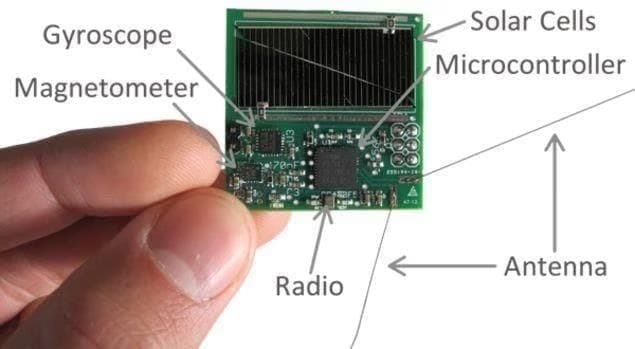 Why in News?
Researchers at the S N Bose National Centre for Basic Sciences (SNBNCBS) have made a significant discovery regarding the novel transport behavior in chromium antimonide (CrSb), a newly identified member of the promising class of magnetic materials known as altermagnets.
Key Takeaways
- Altermagnets combine features of both ferromagnets and antiferromagnets.
- They exhibit unique internal magnetic behavior without attracting external metals.
- Ideal for spintronics, enabling faster and energy-efficient electronic devices.
Additional Details
- Definition: Altermagnets are a new class of magnetic materials that merge the properties of ferromagnets (which display external magnetism) and antiferromagnets (which do not).
- Unique Feature: Unlike regular magnets, they do not attract metals but maintain active internal magnetic behavior, making them valuable in advanced technologies.
- Use in Spintronics: These materials leverage electron spin for improved device efficiency.
- No Magnetic Interference: They do not generate external magnetic fields, ensuring stability and safety for nearby electronics.
- Energy Efficient: Their structure mitigates heat and energy loss, suitable for modern, low-power gadgets.
- Scientific Rarity: With very few known altermagnets, each discovery holds significant importance to materials science.
- Potential Applications: Altermagnets could aid in developing smaller memory chips and faster processors, potentially even supporting quantum computing.
- Internal Action: They are likened to "quiet magnets," functioning internally without causing magnetic noise.
Recent Discovery - Chromium Antimonide (CrSb)
- Indian Breakthrough: Indian scientists have identified CrSb as a new altermagnet, exhibiting rare direction-dependent conduction properties.
- Directional Behavior: CrSb demonstrates n-type conduction when current flows along its layers and p-type conduction across them.
- First of its Kind: This marks the first instance of an altermagnet displaying dual conduction behavior in different directions.
- Device Simplification: The ability of CrSb to act as both p-type and n-type can lead to reduced circuit sizes and eliminate the need for doping.
- Eco-friendly Material: Composed of non-toxic, common elements, CrSb is ideal for sustainable electronics.
- Future Potential: CrSb may be used in solar cells, batteries, and processors, enhancing efficiency while being environmentally friendly.
- Environment-Friendly Tech: This material supports low-cost, eco-friendly electronics without compromising performance.
The discoveries surrounding altermagnets, particularly chromium antimonide, open new avenues for research and application in the field of materials science, reinforcing the importance of sustainable and efficient technologies.
Altermagnets
Why in News?
Researchers have recently discovered an intriguing electrical and thermal transport phenomenon in the high-quality single-crystalline altermagnet, chromium antimonide (CrSb), marking a significant advancement in the study of magnetic materials.
Key Takeaways
- Altermagnets possess unique properties combining features of both ferromagnets and antiferromagnets.
- CrSb is identified as a leading candidate for future electronic applications due to its remarkable attributes.
Additional Details
- Definition of Altermagnets: A newly identified class of magnetic materials that exhibit zero net magnetism externally, yet display useful electron behaviors internally, particularly beneficial for spintronics.
- Unique Properties: Altermagnets showcase a dual nature, resembling antiferromagnets with no net magnetization and ferromagnets with spin splitting, resulting from complex atomic interactions within their crystal structures.
- Spin Polarization: This refers to the tendency of electron spins to align in a specific direction, which is significant in both real space (physical arrangement) and momentum space (distribution of spins).
- Research suggests that altermagnets could play a crucial role in spin caloritronics, a field examining the relationship between spin and heat flow, offering advantages over traditional magnetic materials.
- CrSb Characteristics: As one of the most notable altermagnets, CrSb is metallic, sustaining magnetic order at temperatures exceeding twice that of room temperature and exhibiting the highest altermagnetic spin-splitting.
- CrSb is the first known altermagnet to display direction-dependent conduction polarity, making it exceptionally promising for practical applications.
- Constructed from earth-abundant and non-toxic elements, CrSb represents an environmentally friendly option for future electronic technologies.
In conclusion, the discovery of altermagnets, particularly CrSb, opens new avenues in the field of electronic materials, highlighting their potential in enhancing information processing and storage technologies.
Essential Tremors and the MRgFUS Procedure
Why in News?
The recent successful use of Magnetic Resonance-guided Focused Ultrasound (MRgFUS) for treating essential tremors has garnered attention as a promising non-surgical intervention for this neurological disorder.
Key Takeaways
- Essential tremors are common neurological disorders affecting approximately 1% of the global population.
- The MRgFUS procedure offers a non-invasive treatment option for individuals suffering from essential tremors.
Additional Details
- Essential Tremors: This neurological disorder causes uncontrollable shaking in various body parts, such as hands, head, and voice. It primarily affects individuals over 65 but can occur at any age.
- Causes: The exact cause of essential tremors remains unknown, but it is believed to involve improper communication within the cerebellum, which controls muscle coordination. Genetic factors play a role, with a 50% chance of inheritance if a parent has the disorder.
- Treatments: While there is no cure for essential tremor, treatment options include medications, assistive devices, botulinum toxin, deep brain stimulation, and focused ultrasound.
- MRgFUS Procedure: This non-surgical intervention utilizes MRI-guided focused ultrasound to target and ablate specific brain tissue in the thalamus, significantly reducing tremors, often within the same treatment session.
The advent of MRgFUS represents a significant advancement in the management of essential tremors, providing hope for patients whose daily lives are disrupted by this condition.
FAQs on Science and Technology: January to July 25
| 1. What is the significance of India joining the UN panel on Big Data? |  |
| 2. What is the Genome India Project and its objectives? | |
| 3. How does thorium-based nuclear energy production work? | |
| 4. Why is India positioning itself as a global hub for data centers? | |
| 5. What are the health implications of antibiotic resistance? | |
