


 | INFINITY COURSE SAGE 100 – accounting features, setup & reportingTeachTech · Last updated on Apr 14, 2026 |
SAGE 100 – accounting features, setup Study Material
|



Trending Courses for Data & Analytics

What is Sage 100 ERP? Complete Overview and Key Features
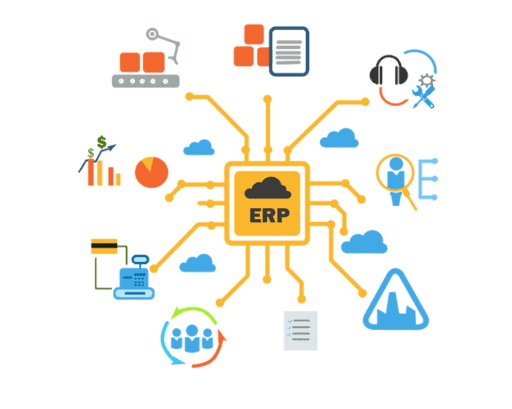
Sage 100 is a comprehensive business management software designed specifically for small to medium-sized enterprises (SMEs) looking to streamline their operations. Previously known as MAS 90 and MAS 200, this enterprise resource planning (ERP) system has evolved significantly to become one of the most reliable solutions for Indian businesses managing accounting, distribution, manufacturing, and business intelligence functions.
The latest version, Sage 100c, incorporates cloud-connected capabilities, making it more accessible and flexible for modern businesses. This integrated platform eliminates the need for multiple standalone software solutions, allowing your organization to maintain centralized control over all critical business operations from a single interface.
Core Capabilities of Sage 100
Sage 100 offers several integrated modules that work seamlessly together:
- Accounts Payable (AP): Manage vendor invoices, process checks, handle wire transfers, and process credit card payments efficiently
- Accounts Receivable (AR): Create invoices, record cash receipts, manage prepayments, and handle customer collections
- Sales Order Management: Process customer orders, create quotes, manage dropship operations, and track order-to-cash cycles
- Purchase Order Management: Create and track purchase orders, manage blanket orders, receipt goods, and handle vendor returns
- General Ledger: Maintain accurate financial records with journal entries, transaction reversals, and comprehensive reconciliation tools
- Payroll Processing: Manage employee records, process payroll, handle tax compliance, and generate quarterly reports
For businesses seeking to master these functionalities, our comprehensive Sage 100c guide provides detailed insights into the latest version features and capabilities.
How to Learn Sage 100: Step-by-Step Tutorial Guide
Learning Sage 100 doesn't have to be overwhelming when you follow a structured approach. Whether you're a beginner or transitioning from MAS 90 or MAS 200, starting with the fundamentals and progressively moving to advanced features will accelerate your proficiency.
Beginner's Roadmap for Sage 100 Training
The best way to learn Sage 100 is by understanding core concepts first. Begin with basic navigation and system setup, then progress to daily transaction processing tasks. Here's a logical learning sequence:
- Master the user interface and basic navigation
- Learn how to enter basic transactions in Accounts Receivable
- Understand Accounts Payable invoice processing and payments
- Progress to Sales Order creation and management
- Study Purchase Order workflows and receipt processes
- Explore General Ledger operations and reconciliation
- Advance to specialized modules like Payroll and Inventory
Our step-by-step Sage 100 tutorial guides break down complex processes into manageable chunks. Start with understanding how to enter a sales order, one of the most fundamental daily tasks that illustrates core system principles.
Sage 100 Accounts Payable: Essential Operations and Best Practices
The Accounts Payable module is critical for managing your vendor relationships and payment obligations. This module handles everything from invoice entry to payment processing, ensuring accurate records and timely vendor payments.
Key AP Operations You Need to Master
Invoice management forms the backbone of AP operations. When you receive vendor invoices, you'll need to enter them accurately into the system, matching them with purchase orders. Learn the complete process of entering invoices in Accounts Payable to establish a strong foundation.
Payment processing is equally important. Whether you're issuing checks, processing wire transfers, or making credit card payments, Sage 100 provides flexible payment options. Understanding how to create manual checks in Accounts Payable and print checks ensures smooth vendor payment workflows.
Advanced AP Capabilities
- Wire Transfers: Record wire transfers in Accounts Payable for faster vendor payments
- Credit Card Processing: Record and transfer vendor payments by credit card for streamlined cash management
- Check Voiding: Learn to void checks in Accounts Payable when corrections are needed
- Invoice Adjustments: Adjust invoices in Accounts Payable for discounts or corrections
Mastering Sage 100 Accounts Receivable Management
Accounts Receivable is where your business tracks customer invoices and collects payments. Effective AR management ensures steady cash flow and maintains healthy customer relationships.
Core AR Processes
Creating accurate invoices is the foundation of AR management. Learn how to create AR invoices properly, including line items, pricing, and customer information. Once invoices are issued, you'll need to track payments through cash receipt entry in Accounts Receivable.
Advanced AR Management Strategies
| AR Function | Purpose | When to Use |
|---|---|---|
| Prepayment Recording | Document customer advance payments | When customers pay before invoice creation |
| Invoice Adjustments | Correct pricing or other errors | When discrepancies are discovered |
| Bad Debt Write-off | Remove uncollectible amounts | After all collection efforts fail |
| Transaction Reversals | Undo previously recorded transactions | For posting errors or cancellations |
Handle prepayment situations with prepayment recording in AR. For uncollectible accounts, learn the proper procedure to write off bad debt in Accounts Receivable. Additionally, understand how to adjust invoices in Accounts Receivable and reverse cash receipts when necessary.
Invoice management extends to reprinting and date modifications. You can reprint invoices in Accounts Receivable or change invoice dates when adjustments are required.
Sage 100 Sales Order Processing: Complete Guide
Sales order processing is where customer demand meets your fulfillment operations. This critical module manages the entire order-to-invoice cycle, ensuring accurate customer deliveries and billing.
Sales Order Workflow
Begin by learning the fundamentals of entering a sales order. This involves capturing customer requirements, selecting products, defining quantities, and setting delivery details. Many sales processes start with quotes rather than immediate orders.
Master the ability to create quotes and convert them into orders in Sales Order. This flexibility allows you to provide customers with pricing estimates before they commit to a purchase. Once a customer accepts the quote, you can seamlessly convert it to a binding order.
Special Sales Order Features
- Customer Number Usage: Learn to use customer numbers in Sales Order for quick customer identification and information retrieval
- Dropship Processing: Understand how to create dropship orders where suppliers ship directly to customers
- Customer Deactivation: Learn when and how to inactivate customers who are no longer active
- Order Invoicing: Master Sales Order invoice creation for billing customers
Purchase Order Management in Sage 100: From Creation to Receipt
Purchase order management is essential for controlling inventory costs and maintaining vendor relationships. The complete PO lifecycle-from creation through payment-requires careful attention to detail.
Purchase Order Operations
Start by understanding how to create and print a purchase order. This foundational skill ensures vendors have clear specifications of what you're ordering. For recurring vendor needs, learn to create blanket purchase orders that provide flexibility with multiple releases.
Receipt and Return Processes
When goods arrive from suppliers, you need to record receipts accurately. Understand how to enter receipt of goods in Purchase Order and create receipt of invoice for Purchase Order. These processes ensure your inventory records match physical stock.
When goods don't meet specifications or quality standards, you'll need to handle returns. Learn the proper procedure to process returns of goods in Purchase Order to maintain accurate inventory and vendor relationships.
Sage 100 General Ledger: Journal Entries and Reconciliation
The General Ledger is the heart of your financial accounting system. This module maintains all account balances and ensures your financial statements are accurate and complete.
Journal Entry Management
Learn to enter general ledger journal entries for transactions that don't flow through standard modules. These might include accruals, adjustments, or inter-company transfers. Understanding proper journal entry procedures ensures accurate financial reporting.
When corrections are needed, you can reverse general ledger journal entries rather than deleting them, maintaining an audit trail of all changes. This approach aligns with accounting best practices and regulatory requirements.
Financial Reconciliation and Reporting
Reconciliation is critical for identifying errors and maintaining financial integrity. Learn to reconcile the trial balance and reconcile purchases clearing accounts. Additionally, understand the process of posting from bank reconciliation to general ledger.
For organizations managing multiple entities, national accounts feature groups parent and subsidiary companies for consolidated reporting. Monitor your organization's liquidity through cash flow analysis tools.
User Management and Security: Creating Roles and Users in Sage 100
Proper user management ensures that each team member has appropriate access to system functions while maintaining data security and audit trails. Sage 100 provides flexible role-based security controls.
Setting Up Users and Roles
Learn to create roles and users in Sage 100. This fundamental administrative task involves defining what functions each user can access and which modules they can view. You can also create user-defined fields to capture organization-specific information not covered by standard fields.
Sage 100 Integration Solutions: EDI, Shipping Software, and Tax Automation
Modern businesses require integration with external systems. Sage 100 offers several integration options to streamline operations and reduce manual data entry.
Integration Capabilities
| Integration Type | Solution | Benefits |
|---|---|---|
| Electronic Data Interchange (EDI) | TrueCommerce Integration | Automated purchase and sales order exchange with trading partners |
| Shipping Software | ShipGear for UPS | Integrated shipping label generation and carrier management |
| Sales Tax Automation | Avalara AvaTax | Automated tax calculation and compliance management |
For businesses managing multiple shipping carriers, explore alternatives like Starship vs. ShipGear shipping software comparisons to select the best solution for your operations. Integrate customer relationship management with SageCRM for complete business visibility.
Sage 100 vs MAS 90/200: Understanding the Evolution and Migration
If your organization currently runs MAS 90 or MAS 200, understanding the evolution to Sage 100 helps with migration planning and adoption strategies. The transition offers significant benefits while maintaining data compatibility.
Migration Considerations
The migration from legacy MAS systems to Sage 100 is straightforward but requires careful planning. Learn how to change customer numbers and change vendor numbers during migration processes.
Advanced Sage 100 Features: Production Entry, Dropship, and Blanket Orders
Manufacturing and distribution businesses benefit from specialized Sage 100 features. These advanced capabilities streamline complex operations.
Manufacturing companies utilize production entry to record finished goods from manufacturing processes. Distribution companies leverage blanket purchase orders for flexible vendor arrangements, while dropship capabilities enable direct supplier-to-customer fulfillment. Optimize pricing with pricing and commission management features.
Sage 100 Payroll Management: Processing and Reporting
Payroll processing is a critical business function requiring accuracy and compliance. Sage 100's payroll module handles employee management, tax calculations, and regulatory reporting seamlessly.
Payroll Operations and Tax Compliance
Understand the complete payroll processing workflow from employee setup through payment distribution. Stay compliant by updating payroll tax tables regularly. Generate required reports with quarterly payroll reporting and participate in e-filing for payroll compliance.
Best Free Sage 100 Training Resources and PDF Guides
Quality training resources help you master Sage 100 efficiently. EduRev provides comprehensive video tutorials, step-by-step guides, and downloadable resources covering all Sage 100 modules and operations. Access detailed guides on specific tasks, explore module overviews, and discover best practices through our complete learning platform.
Common Sage 100 Tasks: Reversing Transactions and Adjusting Invoices
Several transaction types require reversal procedures. Master the process of reversing wire transfers and reversing manual checks for financial corrections. When system-wide issues arise, understand correcting out-of-balance general ledgers and backing up data regularly.
Period-end closing requires careful attention. Review the period and year-end overview to understand closing procedures. For manufacturing businesses, explore job cost status post control and customer purchase order validation. Discover how to auto-create purchase orders from sales orders to improve workflow efficiency.
For organizations using the latest Sage 100 version, explore version 4.5 enhancements and intelligence reporting capabilities for advanced business insights and decision-making support.
A detailed Guide to SAGE 100 for Data & Analytics Exam Pattern 2026-2027
SAGE 100 is a comprehensive software solution that caters to the needs of businesses in various industries. It offers a wide range of modules, including Data & Analytics, which allows organizations to gather insights and make data-driven decisions. If you are planning to take the SAGE 100 Exam for Data & Analytics, it is essential to understand the exam pattern thoroughly. Here is a detailed guide to help you navigate through the exam successfully.
1. Understanding the Exam Structure:
The SAGE 100 Exam for Data & Analytics consists of multiple-choice questions that assess your knowledge and understanding of the software's functionalities and applications. The exam is divided into different sections, each focusing on a specific aspect of Data & Analytics within the SAGE 100 software.
2. Key Topics Covered:
The exam will test your proficiency in various areas related to Data & Analytics. Some of the key topics covered in the exam may include:
- Data Mining and Analysis
- Data Visualization Techniques
- Data Integration and Transformation
- Data Modeling and Reporting
- Predictive Analytics
- Machine Learning Algorithms
- Statistical Analysis
3. Recommended Study Materials:
To prepare for the SAGE 100 Exam for Data & Analytics, it is crucial to have access to relevant study materials. Some recommended resources include:
- Official SAGE 100 Documentation: The official documentation provided by SAGE is an excellent starting point for understanding the software's features and functionalities related to Data & Analytics.
- Online Tutorials and Courses: Various online platforms offer tutorials and courses specifically designed to help individuals prepare for the SAGE 100 Exam for Data & Analytics. These resources provide in-depth explanations, practical examples, and hands-on exercises to enhance your understanding.
4. Exam Preparation Strategies:
To maximize your chances of success in the SAGE 100 Exam for Data & Analytics, consider adopting the following strategies:
- Create a Study Plan: Develop a study plan that outlines the topics you need to cover and allocate sufficient time for each area. This will help you stay organized and ensure you cover all the necessary material.
- Practice with Sample Questions: Familiarize yourself with the exam format by practicing with sample questions. This will help you understand the types of questions asked and improve your time management skills.
- Hands-on Experience: Gain practical experience with the SAGE 100 software by working on real-world data and analytics projects. This will not only enhance your understanding but also reinforce your knowledge.
- Join Discussion Forums: Engage with fellow candidates or professionals in online discussion forums related to SAGE 100 and Data & Analytics. This will provide opportunities to seek guidance, share insights, and clarify any doubts.
5. Exam Day Tips:
On the day of the exam, keep the following tips in mind:
- Get a Good Night's Sleep: Ensure you are well-rested before the exam to stay focused and alert throughout the test.
- Read Instructions Carefully: Take the time to read each question and its instructions thoroughly to avoid any misunderstandings or mistakes.
- Manage Your Time: Allocate time for each question based on its complexity. If you find a question particularly challenging, move on and come back to it later.
- Review Your Answers: Before submitting your exam, review your answers to ensure accuracy and make any necessary corrections.
By following this detailed guide, you can approach the SAGE 100 Exam for Data & Analytics with confidence and increase your chances of success. Remember to stay focused, practice diligently, and make the most of the available study resources. Good luck!


A detailed Guide to SAGE 100 Syllabus 2026-2027 PDF Download
I. Introduction to Data & Analytics
- Definition of Data & Analytics
- Importance and benefits of Data & Analytics in business
- Overview of SAGE 100 and its role in Data & Analytics
II. Understanding Data Management
- Introduction to data management
- Data collection methods and techniques
- Data cleansing and quality assurance
- Data integration and consolidation
- Data storage and security
III. Exploratory Data Analysis
- Introduction to exploratory data analysis
- Data visualization techniques
- Statistical analysis and data interpretation
- Identifying patterns and trends in data
- Understanding data outliers and anomalies
IV. Data Mining and Predictive Analytics
- Introduction to data mining
- Techniques for data mining and predictive analytics
- Regression analysis and forecasting
- Classification and clustering algorithms
- Evaluation and validation of predictive models
V. Business Intelligence and Reporting
- Introduction to business intelligence
- Designing and developing effective reports
- Key performance indicators (KPIs) and dashboards
- Data visualization tools and platforms
- Analyzing and presenting data insights
VI. Big Data and Data Warehousing
- Introduction to big data
- Characteristics and challenges of big data
- Data warehousing concepts and architecture
- Extract, Transform, Load (ETL) processes
- Big data analytics and tools
VII. Data Governance and Ethics
- Importance of data governance
- Data governance frameworks and best practices
- Data privacy and security regulations
- Ethical considerations in data and analytics
- Ensuring data integrity and compliance
VIII. Case Studies and Practical Applications
- Real-world examples of Data & Analytics implementation
- Case studies on using SAGE 100 for data analysis
- Hands-on exercises and practice sessions
- Applying data analytics techniques to solve business problems
- Best practices for successful Data & Analytics projects
IX. Emerging Trends in Data & Analytics
- Overview of emerging trends in Data & Analytics
- Artificial Intelligence and Machine Learning
- Internet of Things (IoT) and data analytics
- Cloud computing and data analytics
- Predictive analytics for decision-making
X. Conclusion
- Recap of key concepts and topics covered
- Importance of Data & Analytics in the digital age
- Future prospects and career opportunities in Data & Analytics
Note: This syllabus is a comprehensive guide to understanding and utilizing SAGE 100 for Data & Analytics purposes. It covers various aspects of data management, exploratory data analysis, data mining, business intelligence, big data, data governance, ethics, practical applications, and emerging trends. The syllabus aims to provide a detailed and structured approach to learning Data & Analytics, specifically focusing on SAGE 100.
This course is helpful for the following exams: Data & Analytics
How to Prepare A detailed Guide to SAGE 100 for Data & Analytics?
SAGE 100 is a powerful software solution that allows businesses to manage their financials, operations, and customer relationships all in one place. With its extensive data management capabilities, it is an ideal tool for businesses looking to analyze and make data-driven decisions. In this detailed guide, we will explore how to prepare for using SAGE 100 for data and analytics.
1. Understand the Course: The first step in preparing for SAGE 100 for data and analytics is to understand the course content offered by EduRev. Familiarize yourself with the course outline, objectives, and learning outcomes. This will give you a clear understanding of what to expect from the course and how to approach your studies.
2. Familiarize Yourself with SAGE 100: Before delving into data and analytics, it is essential to have a solid understanding of the SAGE 100 software. Take the time to explore its features, functionalities, and user interface. Familiarize yourself with its data management capabilities, reporting tools, and customization options. This will help you navigate the software confidently and efficiently.
3. Learn Data Management: Data management is a crucial aspect of data and analytics. Familiarize yourself with the different types of data, such as structured and unstructured data, and learn how to extract, transform, and load (ETL) data into SAGE 100. Understand how to clean and validate data to ensure its accuracy and reliability. Additionally, learn about data security and privacy to safeguard sensitive information.
4. Master Reporting and Analysis: SAGE 100 offers a range of reporting and analysis tools to help businesses gain insights from their data. Learn how to create custom reports, dashboards, and visualizations using SAGE 100's reporting features. Understand how to analyze data using various statistical techniques and data visualization methods. This will enable you to present data in a meaningful and actionable way.
5. Explore Advanced Analytics: Once you have a solid foundation in reporting and analysis, take your skills to the next level by exploring advanced analytics techniques. Learn about predictive analytics, machine learning, and artificial intelligence to uncover hidden patterns, trends, and correlations in your data. This will enable you to make more accurate predictions and data-driven decisions.
6. Stay Updated with Industry Trends: Data and analytics are constantly evolving fields. Stay updated with the latest industry trends, advancements, and best practices. Join online communities, attend webinars, and read industry blogs to expand your knowledge and stay ahead of the curve. This will help you apply the latest techniques and tools to maximize the value of SAGE 100 for data and analytics.
By following these steps, you can effectively prepare for using SAGE 100 for data and analytics. Remember to practice hands-on with the software, apply the concepts learned in the course, and continuously seek opportunities to enhance your skills. With EduRev's comprehensive course and your dedication, you will be well-equipped to leverage SAGE 100 for data-driven decision-making in your business.
Importance of A detailed Guide to SAGE 100 for Data & Analytics
Importance of A detailed Guide to SAGE 100 Course for Data & Analytics
In today's data-driven world, businesses rely heavily on data and analytics to make informed decisions and gain a competitive edge. SAGE 100 is one of the leading enterprise resource planning (ERP) software solutions that helps businesses manage their finances, inventory, sales, and other critical aspects of their operations. To leverage the full potential of SAGE 100 for data and analytics, it is crucial to have a comprehensive understanding of the software. This is where the Guide to SAGE 100 Course offered by EduRev becomes invaluable.
1. Mastering SAGE 100
The Guide to SAGE 100 Course offered by EduRev allows individuals to master the intricacies of the software. It covers all the key features, functionalities, and modules of SAGE 100, enabling learners to become proficient users. Through this course, participants gain practical knowledge and hands-on experience, empowering them to navigate the software with ease.
2. Understanding Data Management
Data management is a critical aspect of any data and analytics project. The Guide to SAGE 100 Course provides learners with a detailed understanding of how to effectively manage and organize data within the software. Participants learn how to import, export, and manipulate data, ensuring accuracy and consistency. This knowledge is essential for data professionals working with SAGE 100, enabling them to extract valuable insights from the vast amount of data stored within the system.
3. Analyzing Business Performance
SAGE 100 offers robust reporting and analytics capabilities that can provide valuable insights into a business's performance. The Guide to SAGE 100 Course equips learners with the skills to leverage these features effectively. Participants learn how to create customized reports, analyze key performance indicators (KPIs), and visualize data in meaningful ways. This knowledge allows businesses to make data-driven decisions, identify trends, and optimize their operations for success.
4. Streamlining Financial Management
Financial management is a critical aspect of any organization. SAGE 100 offers comprehensive financial management tools that simplify processes such as budgeting, invoicing, and financial reporting. The Guide to SAGE 100 Course provides learners with a deep understanding of these tools, enabling them to streamline financial management processes within their organizations. Participants learn how to track expenses, manage accounts receivable and payable, and generate accurate financial statements.
5. Enhancing Business Efficiency
Efficiency is key to success in today's fast-paced business environment. The Guide to SAGE 100 Course empowers learners to leverage the full potential of SAGE 100 to enhance business efficiency. Participants gain insights into automating workflows, integrating different functions of the software, and optimizing processes for maximum productivity. This knowledge allows businesses to streamline their operations, reduce manual errors, and save valuable time and resources.
In conclusion, the Guide to SAGE 100 Course offered by EduRev is of utmost importance for individuals and businesses looking to harness the power of data and analytics through SAGE 100. By mastering the software, understanding data management, analyzing business performance, streamlining financial management, and enhancing business efficiency, learners can unlock the full potential of SAGE 100 and drive success in their organizations.
A detailed Guide to SAGE 100 for Data & Analytics FAQs
| 1. How do I set up a new company file in SAGE 100 for accounting purposes? |  |
| 2. What is the difference between accounts payable and accounts receivable in SAGE 100? | |
| 3. How do I record journal entries correctly in SAGE 100 to ensure data integrity? | |
| 4. What are the main reports I should generate from SAGE 100 for financial analysis? | |
| 5. How do I reconcile bank statements with SAGE 100 records? | |
| 6. What steps should I follow to process vendor payments efficiently in SAGE 100? | |
| 7. How can I manage inventory and track stock levels effectively using SAGE 100? | |
| 8. What is the purpose of the general ledger in SAGE 100 and how do I use it? | |
| 9. How do I generate a trial balance in SAGE 100 and why is it important? | |
| 10. What are the best practices for data entry and preventing errors in SAGE 100 transactions? | |
 | View your Course Analysis |  |
 | Create your own Test | |



|
 Videos
 Ratings
 | Explore Courses for Data & Analytics exam |  |


