Prepare for
Class 7 Exam
with EduRev
Class 7 syllabus



All Courses for Class 7


Science (Curiosity) Class 7 - New NCERT
Mathematics (Ganita Prakash) Class 7 - New NCERT Part 1 & 2
Social Science Class 7 - New NCERT ( Part 1 and Part 2)
English Grammar Advanced
Improve Your Calculations: Vedic Maths (English)
English Poorvi Class 7 - New NCERT
English Grammar Class 7
Hindi (Malhar) Class 7 - New NCERT
Social Studies (SST) Class 7 (Old NCERT)
Worksheets with solutions for Class 7
Cursive Writing Course-Improve Your Handwriting
Mathematics (Maths) Class 7 (Old NCERT)
Calligraphy Course: Beginner to Advanced
Mathematics Class 7 ICSE
Mathematics Olympiad Class 7
Science Class 7 (Old NCERT)
ChatGPT for Everything: How to Use ChatGPT?
Chapter Notes For Class 7
Daily GK & Current Affairs Tests
Physics Class 7 ICSE
Hindi Grammar Class 7
PPTs for Class 7
Build Your Own Games with Scratch & Roblox
Abacus
Chess Tutorial Course: Beginner to Advanced
Gul Mohar Class 7: Book Solutions, Summaries & Worksheets
संस्कृत Class 7 (Deepakam) - New NCERT
Chemistry Class 7 ICSE
French for Class 7
Mahabharat Tales: The Battle of Good and Evil
Spanish: Beginner A1 Level
Class 7 English Oxford
Biology Class 7 ICSE
Exploring the World of Harry Potter
Core Skills
RD Sharma Solutions for Class 7 Mathematics
Piano Tutorials Course: Beginners to Advance
Robotics Workshop for kids
Cooking Basics for Teens
6 Months Preparation for Class 7 (CBSE)
Footprints Class 7: Book Solutions, Notes & Worksheets
Canva for Beginners
Know Your Aptitude Class 6 To 8
Learn German (Hallo Deutsch 2)
How to become an Expert of MS Excel
HTML for Junior Classes
Complete Drawing Course: Learn to Draw
Vedic Mathematics
Parent's Guide to EduRev Infinity for Class 7
Crossword Puzzles: Solve like a Pro
Class 7 Oxford Science: Chapter Notes, Worksheets & Tests
NCERT Textbooks & Solutions for Class 7
Science Project Ideas for Students
Online MCQ Tests for Class 7
Become a YouTube Creator
Crash Course for Class 7
Science Olympiad Class 7
Geography Class 7 ICSE
Solve Like a Pro: Rubik Cube Tutorials
Understanding AI & Machine Learning for Young Minds
Civics Class 7 ICSE
Vocational Education (Kaushal Bodh) Class 7 - New NCERT
IGCSE Cambridge Science for Year 7
Essays for Class 7
Master Sudoku: From Beginner to Expert
Sample Papers For Class 7
How to become an Expert of MS Word
Study Plan for Class 7
Class 7 BBC Compacta Solutions
Advance Learner Course: Science Class 7
NCERT Video Explanations - English Poorvi Class 7
DIY Science Fun: Cool School Projects
English Olympiad for Class 7
Learn Japanese Language – Elementary Level Course
How to Speak with Confidence & Clarity in 6 Weeks
Yoga: A Healthy Way of Living
Basic Creativity Tutorials
Confidence Building for Teenagers
Year 7 Physics (Cambridge)
History Class 7 ICSE
Amazing Animation Tutorials: Basics to Advanced
Pro Video Editing-Adobe Premiere
General Knowledge Encyclopedia
Powerpoint: Become an Expert
CSS for Beginners
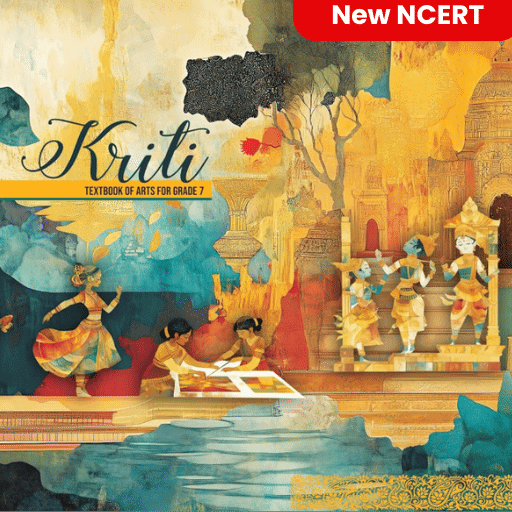
Arts (kriti) Class 7 - New NCERT
Year 7 English IGCSE (Cambridge)
Design Thinking
Spanish: Elementary A2 Level
Extra Documents & Videos for Class 7
Year 7 Mathematics IGCSE (Cambridge)
Daily Meditation Practices for Students
Photoshop: Become an Expert
Half Yearly and Final Exam Papers for Class 7
Year 7 Biology (Cambridge)
Marvel Through Time: A Journey Across Universes
Commercial Applications
Advance Learner Course: Mathematics (Maths) Class 7
Flashcards for Kids
Short Film Making for Beginners
The Legendary Tale of Ramayan: Heroes, Villains, and Divine
Complete Vocal Training– Beginner to Performer
C Programming for Beginners
The Ultimate Violin Course: From Beginner to Advanced
Computer Science for Class 7
National Cyber Olympiad Class 7
Grammar for German
Practice Questions for Class 7
Mental Health & Mindfulness for Students
Year 7 English (Cambridge)
Graphic Designing
From Ideas to Stories: Creative Writing Course
Internet Safety
Year 7 Chemistry (Cambridge)
Canva for Everyone: Design Like a Pro
The Ultimate Guitar Course: From Beginner to Advanced
Buzzword Workbook Class 7: Solutions, Notes & Worksheets
Social Media
Physical Education (Khel Yatra) Class 7 - New NCERT
Mind Maps for Class 7
Worksheets for ICSE Class 7
IGCSE Cambridge Computing for Year 7
IGCSE Oxford Geography Foundations for Year 7
International Social Studies Olympiad (ISSO) for Class 7
International GK Encyclopedia
The Grand Saga of Gita : Krishna's Guidance for Life
Crash Course for Class 7 (Hinglish)
Pixel Perfection: Creating & Editing Pictures with Photoshop
Year 7 Computing (Cambridge)
Flashcards for Class 7
Cyber Security and Ethical Hacking: Basics for Students
Playing Drums: Step-by-Step Course
Ukulele Foundations: Beginner to Advanced
GK Olympiad for Class 7




































Main Subjects for Class 7
Science (Curiosity) Class 7 - New NCERT
Mathematics (Ganita Prakash) Class 7 - New NCERT Part 1 & 2
Social Science Class 7 - New NCERT ( Part 1 and Part 2)
English Poorvi Class 7 - New NCERT
Hindi (Malhar) Class 7 - New NCERT
Social Studies (SST) Class 7 (Old NCERT)
Mathematics (Maths) Class 7 (Old NCERT)
Science Class 7 (Old NCERT)
संस्कृत Class 7 (Deepakam) - New NCERT
Arts (kriti) Class 7 - New NCERT
New NCERTs for Class 7
Science (Curiosity) Class 7 - New NCERT
Mathematics (Ganita Prakash) Class 7 - New NCERT Part 1 & 2
Social Science Class 7 - New NCERT ( Part 1 and Part 2)
English Poorvi Class 7 - New NCERT
Hindi (Malhar) Class 7 - New NCERT
संस्कृत Class 7 (Deepakam) - New NCERT
Vocational Education (Kaushal Bodh) Class 7 - New NCERT
Arts (kriti) Class 7 - New NCERT
Physical Education (Khel Yatra) Class 7 - New NCERT
Grammar for Class 7
Practice for Class 7
Improve Your Calculations: Vedic Maths (English)
Worksheets with solutions for Class 7
RD Sharma Solutions for Class 7 Mathematics
NCERT Textbooks & Solutions for Class 7
Online MCQ Tests for Class 7
Essays for Class 7
Sample Papers For Class 7
Extra Documents & Videos for Class 7
Half Yearly and Final Exam Papers for Class 7
Practice Questions for Class 7
Old NCERTs for Class 7
Skill Building for Class 7
Cursive Writing Course-Improve Your Handwriting
Calligraphy Course: Beginner to Advanced
ChatGPT for Everything: How to Use ChatGPT?
Daily GK & Current Affairs Tests
Build Your Own Games with Scratch & Roblox
Abacus
Chess Tutorial Course: Beginner to Advanced
Mahabharat Tales: The Battle of Good and Evil
Exploring the World of Harry Potter
Core Skills
Piano Tutorials Course: Beginners to Advance
Robotics Workshop for kids
Cooking Basics for Teens
Canva for Beginners
Know Your Aptitude Class 6 To 8
How to become an Expert of MS Excel
HTML for Junior Classes
Complete Drawing Course: Learn to Draw
Vedic Mathematics
Crossword Puzzles: Solve like a Pro
Science Project Ideas for Students
Become a YouTube Creator
Solve Like a Pro: Rubik Cube Tutorials
Understanding AI & Machine Learning for Young Minds
Master Sudoku: From Beginner to Expert
How to become an Expert of MS Word
DIY Science Fun: Cool School Projects
Learn Japanese Language – Elementary Level Course
How to Speak with Confidence & Clarity in 6 Weeks
Yoga: A Healthy Way of Living
Basic Creativity Tutorials
Confidence Building for Teenagers
Amazing Animation Tutorials: Basics to Advanced
Pro Video Editing-Adobe Premiere
General Knowledge Encyclopedia
Powerpoint: Become an Expert
CSS for Beginners
Design Thinking
Daily Meditation Practices for Students
Photoshop: Become an Expert
Marvel Through Time: A Journey Across Universes
Commercial Applications
Short Film Making for Beginners
The Legendary Tale of Ramayan: Heroes, Villains, and Divine
Complete Vocal Training– Beginner to Performer
C Programming for Beginners
The Ultimate Violin Course: From Beginner to Advanced
Mental Health & Mindfulness for Students
Graphic Designing
From Ideas to Stories: Creative Writing Course
Internet Safety
Canva for Everyone: Design Like a Pro
The Ultimate Guitar Course: From Beginner to Advanced
Social Media
International GK Encyclopedia
The Grand Saga of Gita : Krishna's Guidance for Life
Pixel Perfection: Creating & Editing Pictures with Photoshop
Cyber Security and Ethical Hacking: Basics for Students
Playing Drums: Step-by-Step Course
Ukulele Foundations: Beginner to Advanced
ICSE for Class 7
Olympiads for Class 7
Revision for Class 7
Chapter Notes For Class 7
PPTs for Class 7
Crash Course for Class 7
Advance Learner Course: Science Class 7
NCERT Video Explanations - English Poorvi Class 7
Advance Learner Course: Mathematics (Maths) Class 7
Flashcards for Kids
Mind Maps for Class 7
Crash Course for Class 7 (Hinglish)
Flashcards for Class 7
Other Subjects for Class 7
Other Books for Class 7
Guided Learning for Class 7
Strategy for Class 7
IGCSE for Class 7
IGCSE Cambridge Science for Year 7
Year 7 Physics (Cambridge)
Year 7 English IGCSE (Cambridge)
Year 7 Mathematics IGCSE (Cambridge)
Year 7 Biology (Cambridge)
Year 7 English (Cambridge)
Year 7 Chemistry (Cambridge)
IGCSE Cambridge Computing for Year 7
IGCSE Oxford Geography Foundations for Year 7
Year 7 Computing (Cambridge)













Complete Class 7 Syllabus Overview: CBSE, ICSE & New NCERT Subjects
Class 7 is a pivotal year in a student's academic journey. Under the National Education Policy (NEP) 2020, Class 7 falls under the Middle Stage (Classes 6-8), which emphasizes subject-specific learning, critical thinking, and hands-on experimentation. Whether you're following CBSE, ICSE, or the new NCERT curriculum, having a clear picture of the Class 7 syllabus is the first step toward scoring well.
CBSE Class 7 Core Subjects
| Subject | New NCERT Textbook | Old NCERT Textbook |
|---|---|---|
| Science | Curiosity | Old NCERT Science |
| Mathematics | Ganita Prakash (Part 1 & 2) | Old NCERT Maths |
| Social Science | New SS (Part 1 & 2) | Old NCERT SST |
| English | Poorvi | Honeycomb |
| Hindi | Malhar | Vasant II |
| Sanskrit | Deepakam | - |
ICSE Class 7 Subject Overview
ICSE-affiliated schools teach science as three separate disciplines at Class 7 level - Physics, Chemistry, and Biology. Students also study Geography as a standalone subject and follow a separate Mathematics Class 7 ICSE curriculum, making the overall syllabus broader compared to CBSE.
Best NCERT Solutions for Class 7 Maths, Science & Social Science
NCERT solutions remain the most reliable reference for CBSE Class 7 students. Solving NCERT exercises thoroughly is the foundation of exam preparation, especially for Maths and Science. On EduRev, you can access comprehensive NCERT Textbooks & Solutions for Class 7 all in one place.
- Maths: Focus on Ganita Prakash Part 1 & 2 - chapters on fractions, integers, algebraic expressions, and geometry are high-weightage topics.
- Science: The new Curiosity textbook uses inquiry-based learning, so understanding concepts rather than rote memorization is key. Refer to the NCERT Solutions for Class 7 Science (Curiosity) for chapter-wise worked answers that help consolidate your understanding.
- Social Science: The integrated new NCERT SS textbook covers History, Geography, and Civics together - revise all three components equally. You can also practise with CBSE Sample Papers for Class 7 Social Science to test your preparation across all three components before exams.
For additional Maths practice, RD Sharma Solutions for Class 7 Mathematics is highly recommended as a supplementary resource beyond NCERT.
New NCERT Books for Class 7: Curiosity, Ganita Prakash, Poorvi & More
The NCF-SE 2023 reforms have brought in a fresh set of NCERT textbooks for Class 7, replacing the older series. CBSE has directed affiliated schools to adopt these new books. Here's what's changed:
- Curiosity replaces the old Science textbook - it follows an activity-driven, curiosity-based pedagogy.
- Ganita Prakash (Part 1 & Part 2) replaces the old Maths textbook, with emphasis on mathematical thinking and problem-solving.
- Poorvi is the new English reader, while Malhar is the new Hindi textbook replacing Vasant II.
- Deepakam is the updated Sanskrit textbook for Class 7.
Students can also supplement their English studies with English Poorvi Class 7 course materials and strengthen grammar skills through English Grammar Class 7 and English Grammar Advanced resources on EduRev. For Hindi, the Hindi Grammar Class 7 course is equally useful.
How to Score Good Marks in Class 7: Effective Study Tips & Strategies
Securing good marks in Class 7 requires consistent effort and smart preparation. Here are practical tips that have helped thousands of Indian students:
- Stick to NCERT first - Master your textbook before moving to supplementary material.
- Practice with worksheets - Use Worksheets with Solutions for Class 7 to reinforce concepts after every chapter.
- Attempt MCQ tests regularly - Regular testing with CBSE Class 7 MCQ with Solutions sharpens your accuracy and time management across all subjects.
- Revise using chapter notes - Quick revision is easier with CBSE Revision Notes for Class 7 and subject-specific PPTs for Class 7.
- Practise important questions - Go through CBSE Class 7 Important Questions to focus your effort on high-yield topics before exams.
- Solve sample papers - Practise with Sample Papers for Class 7 before exams to get comfortable with the format.
Students targeting other boards can also explore the Class 7 Oxford Science: Chapter Notes, Worksheets & Tests and Class 7 English Oxford resources available on EduRev.
Best Study Plan for Class 7: Subject-Wise Preparation Guide
A structured study plan makes all the difference when preparing for Class 7 exams. EduRev offers a dedicated Study Plan for Class 7 and a thorough 6 Months Preparation for Class 7 (CBSE) course to keep students on track throughout the year.
| Month | Focus Area |
|---|---|
| Months 1-2 | Complete new NCERT chapters for all subjects; make chapter notes |
| Months 3-4 | Solve worksheets, RD Sharma Maths; attempt subject MCQs |
| Months 5-6 | Full revision, sample papers, crash course revision |
For last-minute revision, the Crash Course for Class 7 is a time-efficient option. Parents can also refer to the Parent's Guide to EduRev Infinity for Class 7 to better support their child's learning journey.
Class 7 Olympiad Preparation: Maths, Science & National Cyber Olympiad
Class 7 students across India participate in national-level Olympiads conducted by the Science Olympiad Foundation (SOF). These include the IMO (International Mathematics Olympiad), NSO (National Science Olympiad), and NCO (National Cyber Olympiad). Olympiad preparation sharpens analytical thinking and gives students a competitive edge.
- Mathematics Olympiad Class 7 - Covers IMO-level problem types, including advanced geometry and number theory.
- Science Olympiad Class 7 - Aligned with NSO syllabus; includes concept-based MCQs.
- National Cyber Olympiad Class 7 - Covers computer science fundamentals and logical reasoning for NCO.
Boost your aptitude further with the Know Your Aptitude Class 6 to 8 course, which builds reasoning and problem-solving skills useful across all Olympiads.
ICSE Class 7 Study Resources: Physics, Chemistry, Biology & Geography
ICSE students have a broader and more detailed syllabus compared to CBSE at Class 7. Subject-specific resources make it easier to manage each discipline effectively. On EduRev, you'll find dedicated courses for all ICSE Class 7 subjects. Alongside these, supplementary books like Footprints Class 7 and Gul Mohar Class 7 also support English literature preparation for ICSE students. The IGCSE Cambridge Science for Year 7 course is ideal for students in international curriculum schools.
Chapter Notes, Worksheets & Sample Papers for Class 7 (PDF)
Access to quality study material can significantly improve a student's preparation. EduRev provides a wide range of downloadable resources for Class 7 students:
- Subject-wise chapter notes for quick revision before exams
- Practice worksheets with solutions covering all chapters
- Sample papers to simulate real exam conditions
- Well-structured PPTs for Class 7 for visual learners
- Curated Essays for Class 7 to improve English writing skills
Top Skill-Building Courses for Class 7 Students
NEP 2020 actively encourages skill development alongside academics at the Middle Stage. Class 7 is the ideal time to explore interests beyond textbooks. EduRev offers a rich selection of skill-building courses:
- Maths Skills: Vedic Maths, Vedic Mathematics, and Abacus for mental Maths improvement
- Tech & Coding: HTML for Junior Classes, Build Your Own Games with Scratch & Roblox, Robotics Workshop for Kids, and Understanding AI & Machine Learning for Young Minds
- Languages: French for Class 7, Spanish: Beginner A1 Level, Learn German (Hallo Deutsch 2)
- Creative Arts: Improve Your Handwriting, Calligraphy Course, Complete Drawing Course, Amazing Animation Tutorials
- Other Interests: Chess Tutorial Course, Piano Tutorials, Cooking Basics for Teens, Daily Meditation Practices
- Digital Skills: Canva for Beginners, MS Excel, ChatGPT for Everything, Become a YouTube Creator
- General Knowledge: Daily GK & Current Affairs Tests to stay sharp year-round
- Fun & Reading: Mahabharat Tales, Exploring the World of Harry Potter, Crossword Puzzles: Solve like a Pro
- Science Projects: Science Project Ideas for Students to fuel curiosity beyond textbooks
RD Sharma Solutions & Key Practice Resources for Class 7 Maths
For students aiming to build a strong Maths foundation ahead of higher classes, RD Sharma Solutions for Class 7 Mathematics is the go-to supplementary book. It offers chapter-wise practice problems that go beyond NCERT, covering topics like rational numbers, geometry, and data handling in greater depth.
Alongside RD Sharma, students can strengthen their core academic skills with the Core Skills course on EduRev. To keep up with all your Class 7 studies efficiently, explore the complete Crash Course for Class 7 that covers all major subjects in a structured, time-bound manner - perfect for exam season revision.
Class 7 FAQs
| 1. How many subjects are there in Class 7 and which ones are the most important? |  |
| 2. What is the best way to study for Class 7 exams without getting stressed? | |
| 3. Is Class 7 syllabus harder than Class 6, and how much should I study daily? | |
| 4. What are the best ways to improve marks in Class 7 Mathematics? | |
| 5. How do I prepare for Class 7 Science if I find it really difficult? | |
| 6. What does NCERT Class 7 cover and is it enough for school exams? | |
| 7. How do I make good notes for Class 7 that actually help during revision? | |
| 8. What is the marking scheme for Class 7 unit tests and half-yearly exams? | |
| 9. How can I score full marks in Class 7 English grammar and writing sections? | |
| 10. What is the easiest way to remember all the formulas in Class 7 Maths? | |
| 11. How do I understand maps and diagrams in Class 7 Social Science? | |
| 12. What are some good habits a Class 7 student should build to do well in school throughout the year? | |
| 13. How much does Class 7 performance actually matter for future classes and exams? | |
| 14. What is the difference between CBSE Class 7 and ICSE Class 7 in terms of difficulty? | |
| 15. Are there any free practice tests or mock tests available for Class 7 students online? | |