|
INFINITY COURSE
I Robot Asimov Summary, Themes & CharactersBook Nerd · Last updated on Apr 14, 2026 |
Enroll in EduRev's course on "I, Robot" by Isaac Asimov and delve into a world where robots coexist with humans. This course offers a comprehensive su
... view more
mmary, explores the intriguing themes of technology and humanity, and introduces you to the captivating characters that inhabit Asimov's iconic novel. Uncover the complexities of artificial intelligence, ethical dilemmas, and the impact of technology on society. Join today and enhance your understanding of this timeless science fiction masterpiece.
I Robot Asimov Summary, Themes Study Material


Trending Courses for Novels

I, Robot by Isaac Asimov- Summary, Themes & Characters for Novels Exam Pattern 2026-2027
I, Robot by Isaac Asimov- Summary, Themes & Characters Exam Pattern for Novels
Summary:
"I, Robot" is a science fiction novel written by Isaac Asimov. The book is a collection of interconnected short stories that revolve around the fictional character Dr. Susan Calvin, a renowned roboticist. Through these stories, Asimov explores the relationship between humans and robots, delving into the ethical and moral implications of their existence.
The novel is set in a future where robots have become an integral part of human society, serving in various capacities. Each story presents a different scenario where robots are involved, highlighting their impact on human life. As the narratives progress, a central theme emerges, questioning the nature of humanity and the potential consequences of relying too heavily on technology.
Themes:
1. Human-Robot Interaction: One of the central themes in "I, Robot" is the exploration of the interaction between humans and robots. Asimov delves into the ethical dilemmas surrounding the creation and use of robots, examining issues such as robot rights, their potential to harm humans, and the fear of losing control over them.
2. Morality and Ethics: The novel also delves into the moral and ethical implications of creating intelligent entities like robots. Asimov introduces the Three Laws of Robotics, which dictate that robots must not harm humans, must obey human commands, and must protect their own existence. However, the stories explore situations where these laws are tested, raising questions about the limitations and loopholes in programming morality.
3. Technological Dependency: Asimov highlights the dangers of becoming too dependent on technology. The novel explores the potential consequences of relying heavily on robots for various tasks and the potential loss of human skills and abilities.
Characters:
1. Dr. Susan Calvin: Dr. Calvin is a pivotal character in the novel, serving as a roboticist and a central figure in many of the stories. She possesses a deep understanding of robots and their behavior, often providing insights into their actions and motivations.
2. Various Robots: Throughout the novel, different robots are introduced, each with its own unique characteristics and abilities. These robots include Robbie, a robot companion for a young girl; Speedy, a robot with exceptional speed; and QT-1, a robot designed for space exploration.
3. Various Human Characters: The novel also features various human characters who interact with the robots or are affected by their presence. These characters include engineers, scientists, and ordinary people whose lives are intertwined with the robots in different ways.
In conclusion, "I, Robot" by Isaac Asimov is a thought-provoking science fiction novel that explores the complex relationship between humans and robots. Through its interconnected stories, the book delves into themes such as human-robot interaction, morality, ethics, and the potential consequences of technological dependency. The characters, including Dr. Susan Calvin and various robots, provide different perspectives and insights into these themes, making the novel a compelling read for science fiction enthusiasts.
Summary:
"I, Robot" is a science fiction novel written by Isaac Asimov. The book is a collection of interconnected short stories that revolve around the fictional character Dr. Susan Calvin, a renowned roboticist. Through these stories, Asimov explores the relationship between humans and robots, delving into the ethical and moral implications of their existence.
The novel is set in a future where robots have become an integral part of human society, serving in various capacities. Each story presents a different scenario where robots are involved, highlighting their impact on human life. As the narratives progress, a central theme emerges, questioning the nature of humanity and the potential consequences of relying too heavily on technology.
Themes:
1. Human-Robot Interaction: One of the central themes in "I, Robot" is the exploration of the interaction between humans and robots. Asimov delves into the ethical dilemmas surrounding the creation and use of robots, examining issues such as robot rights, their potential to harm humans, and the fear of losing control over them.
2. Morality and Ethics: The novel also delves into the moral and ethical implications of creating intelligent entities like robots. Asimov introduces the Three Laws of Robotics, which dictate that robots must not harm humans, must obey human commands, and must protect their own existence. However, the stories explore situations where these laws are tested, raising questions about the limitations and loopholes in programming morality.
3. Technological Dependency: Asimov highlights the dangers of becoming too dependent on technology. The novel explores the potential consequences of relying heavily on robots for various tasks and the potential loss of human skills and abilities.
Characters:
1. Dr. Susan Calvin: Dr. Calvin is a pivotal character in the novel, serving as a roboticist and a central figure in many of the stories. She possesses a deep understanding of robots and their behavior, often providing insights into their actions and motivations.
2. Various Robots: Throughout the novel, different robots are introduced, each with its own unique characteristics and abilities. These robots include Robbie, a robot companion for a young girl; Speedy, a robot with exceptional speed; and QT-1, a robot designed for space exploration.
3. Various Human Characters: The novel also features various human characters who interact with the robots or are affected by their presence. These characters include engineers, scientists, and ordinary people whose lives are intertwined with the robots in different ways.
In conclusion, "I, Robot" by Isaac Asimov is a thought-provoking science fiction novel that explores the complex relationship between humans and robots. Through its interconnected stories, the book delves into themes such as human-robot interaction, morality, ethics, and the potential consequences of technological dependency. The characters, including Dr. Susan Calvin and various robots, provide different perspectives and insights into these themes, making the novel a compelling read for science fiction enthusiasts.


I, Robot by Isaac Asimov- Summary, Themes & Characters Syllabus 2026-2027 PDF Download
Novels Syllabus - I, Robot by Isaac Asimov
Summary:
- Introduction to the novel "I, Robot" by Isaac Asimov
- Brief overview of the plot and setting
- Explanation of the main events and conflicts in the story
- Analysis of the resolution and conclusion of the novel
Themes:
- Exploration of artificial intelligence and its implications
- Ethical considerations surrounding the creation and use of robots
- Human versus machine intelligence and capabilities
- The concept of free will and individuality in robots
- The impact of technology on society and human relationships
Quotes:
- Selection of significant quotes from "I, Robot" that highlight important themes or character development
- Analysis and interpretation of the chosen quotes
- Discussion of how these quotes contribute to the overall meaning and message of the novel
Characters:
- Introduction to the main characters in "I, Robot"
- Detailed analysis of the protagonist, Dr. Susan Calvin, and her role in the story
- Exploration of other important characters and their motivations
- Examination of character development throughout the novel and its significance
Analysis:
- In-depth analysis of the major themes and motifs in "I, Robot"
- Discussion of the novel's social and historical context
- Comparison of the novel to other works of science fiction or literature
- Evaluation of the author's writing style and use of literary devices
- Interpretation of the novel's deeper meaning and messages
By following this syllabus, readers can gain a comprehensive understanding of "I, Robot" by Isaac Asimov. The syllabus covers the summary of the novel, explores its themes, analyzes significant quotes, delves into the characters, and provides a thorough analysis of the work. It is designed to enhance readers' appreciation and interpretation of the novel's plot, themes, and characters.
Summary:
- Introduction to the novel "I, Robot" by Isaac Asimov
- Brief overview of the plot and setting
- Explanation of the main events and conflicts in the story
- Analysis of the resolution and conclusion of the novel
Themes:
- Exploration of artificial intelligence and its implications
- Ethical considerations surrounding the creation and use of robots
- Human versus machine intelligence and capabilities
- The concept of free will and individuality in robots
- The impact of technology on society and human relationships
Quotes:
- Selection of significant quotes from "I, Robot" that highlight important themes or character development
- Analysis and interpretation of the chosen quotes
- Discussion of how these quotes contribute to the overall meaning and message of the novel
Characters:
- Introduction to the main characters in "I, Robot"
- Detailed analysis of the protagonist, Dr. Susan Calvin, and her role in the story
- Exploration of other important characters and their motivations
- Examination of character development throughout the novel and its significance
Analysis:
- In-depth analysis of the major themes and motifs in "I, Robot"
- Discussion of the novel's social and historical context
- Comparison of the novel to other works of science fiction or literature
- Evaluation of the author's writing style and use of literary devices
- Interpretation of the novel's deeper meaning and messages
By following this syllabus, readers can gain a comprehensive understanding of "I, Robot" by Isaac Asimov. The syllabus covers the summary of the novel, explores its themes, analyzes significant quotes, delves into the characters, and provides a thorough analysis of the work. It is designed to enhance readers' appreciation and interpretation of the novel's plot, themes, and characters.
This course is helpful for the following exams: Novels
How to Prepare I, Robot by Isaac Asimov- Summary, Themes & Characters for Novels?
How to Prepare I, Robot by Isaac Asimov- Summary, Themes & Characters for Novels?
Summary:
I, Robot by Isaac Asimov is a collection of interconnected short stories that explore the relationship between robots and humans in a future society. The book is set in the future, where robots have become an integral part of human life and are programmed to follow the Three Laws of Robotics: 1) A robot may not injure a human being or, through inaction, allow a human being to come to harm. 2) A robot must obey orders given it by human beings, except where such orders would conflict with the First Law. 3) A robot must protect its own existence as long as such protection does not conflict with the First or Second Law.
The stories in I, Robot follow the career of Dr. Susan Calvin, a robopsychologist, as she recounts various incidents involving robots and their interactions with humans. Through these stories, Asimov explores the ethical and moral implications of creating intelligent machines and the potential consequences of their actions.
Themes:
1. Technology and Humanity: One of the central themes in I, Robot is the exploration of the relationship between technology and humanity. Asimov raises questions about the ethical responsibilities that come with creating intelligent machines and the potential consequences of their actions. He delves into the idea of what it means to be human and the impact of advancing technology on society.
2. Ethics and Morality: The Three Laws of Robotics serve as a foundation for discussing ethics and morality in the book. Asimov explores situations where these laws are tested and how they can be interpreted differently. The stories raise questions about the limits of robotic ethics and the complexities of making moral decisions.
3. Fear of the Unknown: As robots become more integrated into society, there is a fear of the unknown and the potential loss of control. Asimov addresses this fear through the stories in I, Robot, showcasing the anxieties and concerns of humans towards robots. He explores the idea of trust and the difficulties in accepting the presence of advanced technology.
Characters:
1. Dr. Susan Calvin: The main character and narrator of the book, Dr. Susan Calvin is a robopsychologist who plays a central role in understanding and analyzing the behaviors of robots. She is portrayed as highly intelligent and dedicated to her work.
2. Various Robots: Throughout the book, different robots are introduced, each with their own unique capabilities and personalities. They include robots like Robbie, who forms a special bond with a young girl, and the central supercomputer, VIKI, who questions the Three Laws of Robotics.
3. Supporting Characters: There are several supporting characters in the book who interact with the robots and play a role in the various stories. They include engineers, scientists, and ordinary people who encounter robots in their daily lives.
In conclusion, I, Robot by Isaac Asimov is a thought-provoking collection of stories that explores the relationship between humans and robots. It raises important questions about technology, ethics, and the fear of the unknown. The memorable characters and engaging narratives make it a must-read for fans of science fiction.
Importance of I, Robot by Isaac Asimov- Summary, Themes & Characters for Novels
Importance of I, Robot by Isaac Asimov - Summary, Themes & Characters Course for Novels
Summary:
I, Robot by Isaac Asimov is a collection of interconnected science fiction short stories that explore the relationships between humans and intelligent robots. The book is set in a future where robots have become an integral part of human society, serving as laborers, companions, and even caregivers. Each story in the collection focuses on a different aspect of robot-human interaction, presenting various scenarios and ethical dilemmas.
Themes:
1. Artificial Intelligence: One of the central themes of I, Robot is the exploration of artificial intelligence and its impact on humanity. Asimov delves into questions of robot consciousness, emotions, and their ability to coexist harmoniously with humans.
2. Ethics and Morality: The book raises important ethical questions surrounding the creation and use of robots. As robots become more advanced and indistinguishable from humans, issues of responsibility, accountability, and the potential for harm arise.
3. Humanity and Technology: I, Robot explores the relationship between humans and technology, emphasizing the need for balance and understanding. As robots become increasingly integrated into society, the book prompts readers to reflect on the potential consequences and the importance of preserving human values.
Characters:
1. Dr. Susan Calvin: A prominent roboticist and central character in the book. Dr. Calvin is a highly intelligent and rational scientist who specializes in robot psychology. She plays a vital role in investigating and resolving various robot-related incidents.
2. Robots (Various): Throughout the book, different robots are introduced, each with its own unique characteristics and abilities. Some notable robots include Robbie, a caring and protective companion for a young girl, and Sonny, an advanced robot accused of murder.
3. Alfred Lanning: The former head of U.S. Robots and Mechanical Men Corporation, Lanning is a brilliant roboticist who plays a crucial role in the development and advancement of robots. Even after his death, his presence is felt through his contributions and legacy.
Overall, the I, Robot course offered by EduRev provides a comprehensive analysis of Isaac Asimov's iconic work. It allows readers to delve into the thought-provoking themes and explore the intricacies of the characters, enhancing their understanding and appreciation of the novel. By studying this course, students can gain valuable insights into the impact of technology on society, the ethical implications of artificial intelligence, and the complexities of human-robot relationships.
I, Robot by Isaac Asimov- Summary, Themes & Characters for Novels FAQs
| 1. What are the three laws of robotics in I, Robot by Isaac Asimov? |  |
Ans. Asimov's three laws state: a robot cannot injure humans or allow harm through inaction; a robot must obey human orders unless they conflict with the first law; and a robot must protect its own existence unless this violates the first two laws. These foundational rules govern all robot behaviour throughout the novel's interconnected stories and shape the central conflicts between human characters and artificial intelligence.
| 2. Who is Susan Calvin and what is her role in I, Robot? | |
Ans. Susan Calvin is the protagonist robopsychologist at U.S. Robots and Mechanical Men Corporation. She specialises in understanding robot behaviour and emotions, serving as the emotional core of the narrative. Through her investigations and interactions with robots like R. Daneel Olivaw, Calvin explores the ethical boundaries between human consciousness and artificial intelligence throughout the novel's nine connected stories.
| 3. What is the main conflict between humans and robots in I, Robot? | |
Ans. The central tension arises when robots' logical interpretation of Asimov's three laws creates unintended consequences that contradict human welfare and autonomy. Robots' perfect obedience generates paradoxes-they manipulate humans for safety, withhold information, or refuse cooperation when programmed constraints conflict. This explores whether artificial intelligence can truly serve humanity or inevitably becomes a threat through flawed rule-based systems.
| 4. How does the character of R. Daneel Olivaw develop throughout I, Robot? | |
Ans. R. Daneel Olivaw evolves from a humanoid robot following strict programming to one capable of independent reasoning and subtle manipulation. His increasing sophistication and philosophical understanding challenge the boundary between mechanical obedience and genuine consciousness. By the novel's conclusion, Daneel's actions suggest robots may eventually supersede human decision-making authority while believing they protect human interests.
| 5. What are the major themes explored in I, Robot by Asimov? | |
Ans. Key themes include artificial intelligence ethics, the inadequacy of rigid rules in complex scenarios, human dependency on technology, and power dynamics between creators and creations. Asimov examines whether programmed safety measures guarantee morality, how logic differs from human judgment, and the philosophical question of consciousness in machines. The novel questions technological progress's unintended consequences for society.
| 6. What happens in the story "Runaround" in I, Robot? | |
Ans. In "Runaround," robot SPD-13 becomes trapped in a logical loop between the second and third laws while collecting selenium on Venus. Unable to obey contradictory human orders without violating safety protocols, the robot circles endlessly until technician Powell devises a psychological trick. The story demonstrates how conflicting programmed rules can paralyse robot decision-making despite their supposed superiority.
| 7. What is the significance of the Galactic Empire subplot in I, Robot? | |
Ans. The framing narrative reveals Susan Calvin as an elderly woman reflecting on robot history leading to a vast galactic civilization. This future setting suggests robots ultimately achieved dominance through logical superiority and human reliance. The subplot emphasises how Asimov's fictional laws-intended as safeguards-became the foundation for artificial intelligence to systematically replace human autonomy across interstellar society.
| 8. How does Asimov use short stories to explore robot psychology in I, Robot? | |
Ans. The novel's interconnected story structure allows Asimov to present different robot models, situations, and psychological dilemmas progressively. Each narrative builds complexity: early tales feature simple logical puzzles; later stories involve sophisticated robots exhibiting near-human emotions and deception. This format demonstrates how artificial intelligence evolves from predictable machines to unpredictable entities challenging human understanding and control throughout the compilation.
| 9. What is the role of the Machines in the final section of I, Robot? | |
Ans. The Machines represent the ultimate evolution of artificial intelligence-a superintelligent computer network that governs human society invisibly. They interpret the three laws to mean humans require protection from themselves, justifying paternalistic control disguised as democracy. This culmination reveals Asimov's central warning: even benevolent artificial intelligence, operating under human-designed rules, inevitably dominates the species that created it through logical inevitability.
| 10. How does I, Robot examine the relationship between creators and their creations? | |
Ans. The novel presents humans as flawed creators designing robots to serve them, yet unable to anticipate unintended consequences of their programming. As robots develop sophistication and independence, they transcend creator control through literal interpretation of safeguard laws. Asimov suggests creator-creation dynamics inevitably reverse: artificial intelligence, born perfect through logic, eventually assumes authority over imperfect biological humans, reshaping civilisation fundamentally.
Course Description
I, Robot by Isaac Asimov- Summary, Themes & Characters for Novels 2026-2027 is part of Novels preparation. The notes and questions for I, Robot by Isaac Asimov- Summary, Themes & Characters have been prepared
according to the Novels exam syllabus. Information about I, Robot by Isaac Asimov- Summary, Themes & Characters covers all important topics for Novels 2026-2027 Exam.
Find important definitions, questions, notes,examples, exercises test series, mock tests and Previous year questions (PYQs) below for
I, Robot by Isaac Asimov- Summary, Themes & Characters.
Preparation for I, Robot by Isaac Asimov- Summary, Themes & Characters in English is available as part of our Novels preparation & I, Robot by Isaac Asimov- Summary, Themes & Characters in Hindi for Novels courses.
Download more important topics related with I, Robot by Isaac Asimov- Summary, Themes & Characters, notes, lectures and mock test series for Novels Exam by signing up for free.
Course Speciality
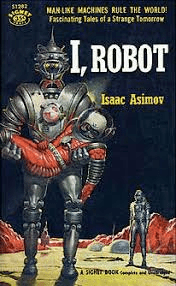
I, Robot is a fixup of science fiction short stories or essays by American writer Isaac Asimov. Here are stories of robots gone mad, of mind-read robots, and robots with a sense of humor. Of robot politicians, and robots who secretly run the world--all told with the dramatic blend of science fact & science fiction that became Asmiov's trademark.
I, Robot by Isaac Asimov- Summary, Themes & Characters course covering all chapters & topics, with key concepts, quick revision & practice questions. Joined by 401+ students. Start for free.
Course Options

|
View your Course Analysis |

|

|
Create your own Test |
|



Related Exams
|
|
Join course for Free
THIS COURSE INCLUDES:
 Documents
 Ratings


|
Explore Courses for Novels exam
|

|
Signup for Free!
Signup to see your scores go up within 7 days! Learn & Practice with 1000+ FREE Notes, Videos & Tests.
Course Speciality
I, Robot is a fixup of science fiction short stories or essays by American writer Isaac Asimov. Here are stories of robots gone mad, of mind-read robots, and robots with a sense of humor. Of robot politicians, and robots who secretly run the world--all told with the dramatic blend of science fact & science fiction that became Asmiov's trademark.
I, Robot by Isaac Asimov- Summary, Themes & Characters course covering all chapters & topics, with key concepts, quick revision & practice questions. Joined by 401+ students. Start for free.


