|
INFINITY COURSE
The God of Small Things Summary – themes & charactersEducatree · Last updated on Apr 14, 2026 |
The God of Small Things- Summary, Themes & Characters Course for Novels on EduRev provides a comprehensive exploration of Arundhati Roy's acclaimed no
... view more
vel. This course delves into the intricate plot, captivating characters, and thought-provoking themes that make up The God of Small Things. Join us as we unravel the complexities of love, caste, and societal norms in this beautifully crafted story. Enhance your understanding of this literary masterpiece with EduRev's engaging and informative course.
The God of Small Things Summary Study Material


Trending Courses for Novels

The God of Small Things- Summary, Themes & Characters for Novels Exam Pattern 2026-2027
The God of Small Things- Summary, Themes & Characters Exam Pattern for Novels
Summary:
"The God of Small Things" is a novel written by Indian author Arundhati Roy. Set in the southern state of Kerala, India, the story revolves around the lives of two fraternal twins, Estha and Rahel, and the events that unfold in their family. The narrative jumps back and forth in time, providing glimpses into the characters' childhood and adulthood.
The novel explores themes of love, loss, social hierarchy, and the consequences of breaking societal norms. It delves into the lives of the characters, their relationships, and the impact of the "Love Laws" that govern their actions. The story takes a tragic turn when a forbidden love affair and a tragic death disrupt the fragile equilibrium of the family.
Themes:
1. Love and Loss: The novel delves into the complexities of love and the profound impact it can have on individuals. It explores the loss experienced when love is forbidden or lost, and the lasting consequences it can have on the characters.
2. Social Hierarchy: The novel examines the rigid social hierarchy prevalent in Indian society, particularly through the lens of the caste system. It highlights the discrimination and inequality faced by individuals based on their social status.
3. Family and Identity: The concept of family and its influence on personal identity is a central theme in the novel. It explores how family dynamics, secrets, and relationships shape the characters' sense of self and their place in the world.
4. Breaking Societal Norms: "The God of Small Things" challenges societal norms and expectations through its portrayal of forbidden love and unconventional relationships. It critiques the consequences of defying societal boundaries and the ways in which society enforces conformity.
Characters:
1. Estha: One of the fraternal twins, Estha is a sensitive and deeply affected character. He struggles with trauma from his past and faces challenges in navigating his adult life.
2. Rahel: The other twin, Rahel is a rebellious and free-spirited individual who often finds herself at odds with societal expectations. She forms a strong bond with her brother Estha and experiences her own share of personal tragedies.
3. Ammu: The twins' mother, Ammu, is a complex and defiant character. She defies societal norms by engaging in a forbidden love affair, which ultimately leads to dire consequences for her and her family.
4. Velutha: A lower-caste worker who becomes involved in a love affair with Ammu, Velutha represents the marginalized and oppressed in society. His relationship with Ammu challenges societal boundaries and leads to tragic consequences.
5. Baby Kochamma: The twins' grandaunt, Baby Kochamma, is a manipulative and bitter character. She is obsessed with social status and is willing to go to great lengths to maintain her position in society.
In conclusion, "The God of Small Things" is a thought-provoking novel that explores themes of love, loss, social hierarchy, and the consequences of breaking societal norms. The characters, including Estha, Rahel, Ammu, Velutha, and Baby Kochamma, each contribute to the intricate web of relationships and conflicts that drive the narrative.
Summary:
"The God of Small Things" is a novel written by Indian author Arundhati Roy. Set in the southern state of Kerala, India, the story revolves around the lives of two fraternal twins, Estha and Rahel, and the events that unfold in their family. The narrative jumps back and forth in time, providing glimpses into the characters' childhood and adulthood.
The novel explores themes of love, loss, social hierarchy, and the consequences of breaking societal norms. It delves into the lives of the characters, their relationships, and the impact of the "Love Laws" that govern their actions. The story takes a tragic turn when a forbidden love affair and a tragic death disrupt the fragile equilibrium of the family.
Themes:
1. Love and Loss: The novel delves into the complexities of love and the profound impact it can have on individuals. It explores the loss experienced when love is forbidden or lost, and the lasting consequences it can have on the characters.
2. Social Hierarchy: The novel examines the rigid social hierarchy prevalent in Indian society, particularly through the lens of the caste system. It highlights the discrimination and inequality faced by individuals based on their social status.
3. Family and Identity: The concept of family and its influence on personal identity is a central theme in the novel. It explores how family dynamics, secrets, and relationships shape the characters' sense of self and their place in the world.
4. Breaking Societal Norms: "The God of Small Things" challenges societal norms and expectations through its portrayal of forbidden love and unconventional relationships. It critiques the consequences of defying societal boundaries and the ways in which society enforces conformity.
Characters:
1. Estha: One of the fraternal twins, Estha is a sensitive and deeply affected character. He struggles with trauma from his past and faces challenges in navigating his adult life.
2. Rahel: The other twin, Rahel is a rebellious and free-spirited individual who often finds herself at odds with societal expectations. She forms a strong bond with her brother Estha and experiences her own share of personal tragedies.
3. Ammu: The twins' mother, Ammu, is a complex and defiant character. She defies societal norms by engaging in a forbidden love affair, which ultimately leads to dire consequences for her and her family.
4. Velutha: A lower-caste worker who becomes involved in a love affair with Ammu, Velutha represents the marginalized and oppressed in society. His relationship with Ammu challenges societal boundaries and leads to tragic consequences.
5. Baby Kochamma: The twins' grandaunt, Baby Kochamma, is a manipulative and bitter character. She is obsessed with social status and is willing to go to great lengths to maintain her position in society.
In conclusion, "The God of Small Things" is a thought-provoking novel that explores themes of love, loss, social hierarchy, and the consequences of breaking societal norms. The characters, including Estha, Rahel, Ammu, Velutha, and Baby Kochamma, each contribute to the intricate web of relationships and conflicts that drive the narrative.


The God of Small Things- Summary, Themes & Characters Syllabus 2026-2027 PDF Download
< b="">Novels: The God of Small Things<>
< b="">Summary:<>
The God of Small Things is a novel written by Arundhati Roy. The story is set in Kerala, India, and explores the lives of the twins Estha and Rahel, along with their family and the society they live in. The narrative jumps between different time periods, revealing the events leading up to a tragic incident that changes the course of their lives.
< b="">Themes:<>
- Love and Forbidden Relationships: The novel delves into the theme of forbidden love and relationships, as the twins' mother falls in love with a man from a lower caste, which goes against societal norms.
- Identity and Cultural Clash: The story explores the clash between traditional Indian culture and the influence of Western ideas, highlighting the struggle for identity faced by the characters.
- Social Hierarchies and Oppression: The novel explores the rigid social hierarchies in Indian society, with a focus on the oppression faced by lower castes and the marginalized.
- Loss and Trauma: The narrative delves into the theme of loss and trauma, as the characters experience tragic events that haunt them throughout their lives.
< b="">Characters:<>
1. Estha: One of the protagonists, Estha is a sensitive and introverted boy who struggles with the trauma of his past.
2. Rahel: The other protagonist, Rahel is Estha's twin sister. She is rebellious and independent, seeking freedom from societal constraints.
3. Ammu: The twins' mother, Ammu, is a woman who defies societal norms by falling in love with a man from a lower caste.
4. Velutha: A lower-caste man and Ammu's love interest, Velutha represents the oppressed and marginalized in society.
5. Baby Kochamma: The twins' grandaunt, Baby Kochamma, is a bitter and manipulative woman who plays a significant role in the events of the novel.
< b="">Conclusion:<>
The God of Small Things is a powerful novel that explores themes of love, identity, social hierarchies, and loss. Through its vivid characters and evocative storytelling, Arundhati Roy brings to life the complexities of Indian society and the impact of societal norms on individual lives.
< b="">Summary:<>
The God of Small Things is a novel written by Arundhati Roy. The story is set in Kerala, India, and explores the lives of the twins Estha and Rahel, along with their family and the society they live in. The narrative jumps between different time periods, revealing the events leading up to a tragic incident that changes the course of their lives.
< b="">Themes:<>
- Love and Forbidden Relationships: The novel delves into the theme of forbidden love and relationships, as the twins' mother falls in love with a man from a lower caste, which goes against societal norms.
- Identity and Cultural Clash: The story explores the clash between traditional Indian culture and the influence of Western ideas, highlighting the struggle for identity faced by the characters.
- Social Hierarchies and Oppression: The novel explores the rigid social hierarchies in Indian society, with a focus on the oppression faced by lower castes and the marginalized.
- Loss and Trauma: The narrative delves into the theme of loss and trauma, as the characters experience tragic events that haunt them throughout their lives.
< b="">Characters:<>
1. Estha: One of the protagonists, Estha is a sensitive and introverted boy who struggles with the trauma of his past.
2. Rahel: The other protagonist, Rahel is Estha's twin sister. She is rebellious and independent, seeking freedom from societal constraints.
3. Ammu: The twins' mother, Ammu, is a woman who defies societal norms by falling in love with a man from a lower caste.
4. Velutha: A lower-caste man and Ammu's love interest, Velutha represents the oppressed and marginalized in society.
5. Baby Kochamma: The twins' grandaunt, Baby Kochamma, is a bitter and manipulative woman who plays a significant role in the events of the novel.
< b="">Conclusion:<>
The God of Small Things is a powerful novel that explores themes of love, identity, social hierarchies, and loss. Through its vivid characters and evocative storytelling, Arundhati Roy brings to life the complexities of Indian society and the impact of societal norms on individual lives.
This course is helpful for the following exams: Novels
How to Prepare The God of Small Things- Summary, Themes & Characters for Novels?
How to Prepare The God of Small Things- Summary, Themes & Characters for Novels?
Summary:
"The God of Small Things" is a novel written by Indian author Arundhati Roy. The story is set in the southern state of Kerala, India, and follows the lives of fraternal twins Estha and Rahel. The narrative jumps back and forth between different time periods, revealing the events that led to a tragedy that forever changed their lives.
Themes:
1. Love and Forbidden Relationships: The novel explores the theme of forbidden love and the consequences it can have on individuals and their families. Estha and Rahel's mother, Ammu, falls in love with a man from a lower caste, which is considered unacceptable in their society.
2. Social Hierarchy and Discrimination: The novel delves into the rigid social hierarchy in Indian society, where individuals are judged and treated differently based on their caste, class, and gender. It highlights the discrimination faced by those who do not conform to societal norms.
3. Loss and Grief: The story revolves around a tragic event that leads to the loss of innocence and the grief experienced by the characters. It explores how the characters cope with their loss and the impact it has on their relationships and outlook on life.
4. Memory and Time: The narrative is non-linear and jumps between different time periods, emphasizing the importance of memory and its influence on the characters' lives. It explores how memories shape our understanding of the present and the past.
Characters:
1. Estha: Estha is one of the central characters in the novel and is shown as a sensitive and observant child. He is deeply affected by the events that unfold in his life and struggles to find his place in the world.
2. Rahel: Rahel is Estha's twin sister and shares a close bond with him. She is portrayed as rebellious and independent, often challenging societal norms. Rahel's experiences and perspectives provide insight into the themes of the novel.
3. Ammu: Ammu is the twins' mother and plays a significant role in the story. She is portrayed as a strong-willed woman who defies societal expectations but faces the consequences of her actions.
4. Velutha: Velutha is an untouchable, a member of the lowest caste in Indian society. He develops a forbidden relationship with Ammu, which leads to tragic consequences. Velutha represents the marginalized and oppressed in society.
In conclusion, "The God of Small Things" explores themes of forbidden love, social hierarchy, loss, and memory. The characters, including Estha, Rahel, Ammu, and Velutha, provide different perspectives on these themes. By understanding the summary, themes, and characters in the novel, readers can gain a deeper appreciation for the complexities of the story.
Summary:
"The God of Small Things" is a novel written by Indian author Arundhati Roy. The story is set in the southern state of Kerala, India, and follows the lives of fraternal twins Estha and Rahel. The narrative jumps back and forth between different time periods, revealing the events that led to a tragedy that forever changed their lives.
Themes:
1. Love and Forbidden Relationships: The novel explores the theme of forbidden love and the consequences it can have on individuals and their families. Estha and Rahel's mother, Ammu, falls in love with a man from a lower caste, which is considered unacceptable in their society.
2. Social Hierarchy and Discrimination: The novel delves into the rigid social hierarchy in Indian society, where individuals are judged and treated differently based on their caste, class, and gender. It highlights the discrimination faced by those who do not conform to societal norms.
3. Loss and Grief: The story revolves around a tragic event that leads to the loss of innocence and the grief experienced by the characters. It explores how the characters cope with their loss and the impact it has on their relationships and outlook on life.
4. Memory and Time: The narrative is non-linear and jumps between different time periods, emphasizing the importance of memory and its influence on the characters' lives. It explores how memories shape our understanding of the present and the past.
Characters:
1. Estha: Estha is one of the central characters in the novel and is shown as a sensitive and observant child. He is deeply affected by the events that unfold in his life and struggles to find his place in the world.
2. Rahel: Rahel is Estha's twin sister and shares a close bond with him. She is portrayed as rebellious and independent, often challenging societal norms. Rahel's experiences and perspectives provide insight into the themes of the novel.
3. Ammu: Ammu is the twins' mother and plays a significant role in the story. She is portrayed as a strong-willed woman who defies societal expectations but faces the consequences of her actions.
4. Velutha: Velutha is an untouchable, a member of the lowest caste in Indian society. He develops a forbidden relationship with Ammu, which leads to tragic consequences. Velutha represents the marginalized and oppressed in society.
In conclusion, "The God of Small Things" explores themes of forbidden love, social hierarchy, loss, and memory. The characters, including Estha, Rahel, Ammu, and Velutha, provide different perspectives on these themes. By understanding the summary, themes, and characters in the novel, readers can gain a deeper appreciation for the complexities of the story.
Importance of The God of Small Things- Summary, Themes & Characters for Novels
Importance of The God of Small Things- Summary, Themes & Characters Course for Novels
Novels hold a special place in the world of literature, allowing readers to escape into different worlds and explore various themes and characters. One such novel that has captivated readers worldwide is "The God of Small Things" by Arundhati Roy. EduRev offers a comprehensive course on this remarkable novel, providing students with a deep understanding of its summary, themes, and characters.
The summary of "The God of Small Things" revolves around the lives of the twin siblings, Estha and Rahel, and their experiences growing up in Ayemenem, a small town in Kerala, India. The narrative shifts between their childhood and adulthood, unraveling a tragic incident that occurred when they were young and its far-reaching consequences. The course provides a detailed summary of the novel, enabling students to grasp the intricacies of the plot and its various subplots.
Themes play a crucial role in any literary work, as they provide a deeper insight into the underlying messages and ideas conveyed by the author. In "The God of Small Things," several themes are explored, including love, social hierarchy, family dynamics, and the impact of colonialism. The EduRev course delves into these themes, analyzing their significance and exploring how they shape the narrative and characters' lives. By studying the themes, students gain a broader understanding of the novel's overall message and the issues it seeks to address.
One of the most compelling aspects of "The God of Small Things" is its richly developed characters. From the enigmatic Ammu to the resilient Velutha, each character is intricately crafted, with their own unique struggles, desires, and flaws. The course delves into the characterization of the novel, examining the motivations and complexities of each character. By studying the characters in depth, students develop a deeper connection with the story and its inhabitants, enhancing their overall reading experience.
EduRev's course on "The God of Small Things" is invaluable for anyone interested in exploring this celebrated novel. By providing a comprehensive summary, analyzing the key themes, and delving into the intricate characterization, the course offers a holistic understanding of the novel. Whether you are a literature enthusiast, a student, or simply someone looking to delve into a thought-provoking literary work, this course is an excellent resource to enhance your understanding and appreciation of "The God of Small Things."
Novels hold a special place in the world of literature, allowing readers to escape into different worlds and explore various themes and characters. One such novel that has captivated readers worldwide is "The God of Small Things" by Arundhati Roy. EduRev offers a comprehensive course on this remarkable novel, providing students with a deep understanding of its summary, themes, and characters.
The summary of "The God of Small Things" revolves around the lives of the twin siblings, Estha and Rahel, and their experiences growing up in Ayemenem, a small town in Kerala, India. The narrative shifts between their childhood and adulthood, unraveling a tragic incident that occurred when they were young and its far-reaching consequences. The course provides a detailed summary of the novel, enabling students to grasp the intricacies of the plot and its various subplots.
Themes play a crucial role in any literary work, as they provide a deeper insight into the underlying messages and ideas conveyed by the author. In "The God of Small Things," several themes are explored, including love, social hierarchy, family dynamics, and the impact of colonialism. The EduRev course delves into these themes, analyzing their significance and exploring how they shape the narrative and characters' lives. By studying the themes, students gain a broader understanding of the novel's overall message and the issues it seeks to address.
One of the most compelling aspects of "The God of Small Things" is its richly developed characters. From the enigmatic Ammu to the resilient Velutha, each character is intricately crafted, with their own unique struggles, desires, and flaws. The course delves into the characterization of the novel, examining the motivations and complexities of each character. By studying the characters in depth, students develop a deeper connection with the story and its inhabitants, enhancing their overall reading experience.
EduRev's course on "The God of Small Things" is invaluable for anyone interested in exploring this celebrated novel. By providing a comprehensive summary, analyzing the key themes, and delving into the intricate characterization, the course offers a holistic understanding of the novel. Whether you are a literature enthusiast, a student, or simply someone looking to delve into a thought-provoking literary work, this course is an excellent resource to enhance your understanding and appreciation of "The God of Small Things."
The God of Small Things- Summary, Themes & Characters for Novels FAQs
| 1. What is the ending of The God of Small Things and why do Rahul and Estha separate? |  |
Ans. The novel ends with adult Estha returning to Ammu after thirty years. Rahul and Estha separate because Estha is arrested for Velutha's death, though he's innocent. Their childhood bond fractures due to this traumatic event and societal shame, forcing them apart permanently. The tragic climax reveals how small things-a broken watch, a carnival visit-destroy their lives irreversibly.
| 2. Who is Velutha in The God of Small Things and what is his relationship with Ammu? | |
Ans. Velutha is a lower-caste carpenter and communist sympathiser who becomes Ammu's lover. He represents forbidden love across caste boundaries in Kerala's rigid social hierarchy. Their secret relationship scandalises the family and society. Velutha is falsely accused of Estha's murder and dies in police custody, becoming a pivotal tragic figure whose death triggers the novel's catastrophic ending.
| 3. What are the main themes in The God of Small Things novel? | |
Ans. Central themes include caste discrimination, forbidden love, childhood innocence corrupted by societal rules, and the impact of family secrets. Arundhati Roy explores how rigid social hierarchies destroy relationships and lives. The novel examines communist ideals, maternal love, and the intersection of personal desire with collective prejudice. Each theme interconnects through the children's perspective and tragic experiences.
| 4. Who is Mammachi in The God of Small Things and what is her character role? | |
Ans. Mammachi is the family matriarch and Rahul and Estha's grandmother who runs a pickle factory. She's a strong-willed, authoritarian figure who upholds family honour and caste values rigidly. Though deaf and abusive towards her husband Pappachi, Mammachi controls family dynamics and enforces social conformity. Her character represents conservative Kerala society's oppressive traditions and moral hypocrisy regarding class and caste.
| 5. What happens to Ammu in The God of Small Things and why is her character significant? | |
Ans. Ammu, the children's mother, pursues a forbidden relationship with Velutha despite her divorced status. She's branded immoral and abandoned by her family, ultimately dying alone at a hotel from heartbreak and alcoholism. Ammu embodies the novel's exploration of women's powerlessness within patriarchal structures. Her tragic death demonstrates how small rebellions against societal rules result in devastating personal consequences for marginalised women.
| 6. How does the carnival scene impact the plot of The God of Small Things? | |
Ans. The carnival visit becomes the pivotal moment where Estha witnesses adult behaviour and Rahul gets lost, triggering a series of catastrophic events. Sophie Mol drowns during this outing, and Estha's traumatic experience leads to his false confession about Velutha. This seemingly innocent childhood moment represents the novel's core concept-how small, ordinary events carry enormous destructive power and reshape family destinies irreversibly.
| 7. What is the significance of the pickle factory in The God of Small Things? | |
Ans. Paradise Pickles, owned by Mammachi, symbolises family wealth, female entrepreneurship, and capitalist participation despite communist ideals. The factory's success contrasts with the family's moral corruption and caste hypocrisy. It represents how the family maintains respectability through business while harbouring dark secrets. The pickle factory anchors the novel's exploration of class privilege protecting families from social consequences.
| 8. Why does Rahul get separated from Estha in The God of Small Things? | |
Ans. Following the carnival drowning and Velutha's death, Estha is traumatised and falsely implicated in the crime. The family separates the twins to protect their reputations and escape police scrutiny. Estha is sent away to live with their father. This separation represents the novel's tragic theme-how institutional power, shame, and family preservation destroy individual bonds and childhood innocence permanently.
| 9. What is the role of caste and communism in The God of Small Things narrative? | |
Ans. Caste discrimination creates the novel's central conflict: Velutha's lower status makes his relationship with upper-caste Ammu criminal in societal eyes. Velutha's communist beliefs contrast with his powerlessness against the caste system. The clash between communist ideology and entrenched social hierarchies reveals how systemic oppression supersedes political principles. Both forces shape character motivations and tragic outcomes throughout the narrative.
| 10. How do Rahul and Estha's perspectives shape The God of Small Things storytelling? | |
Ans. The novel alternates between child and adult perspectives, revealing how trauma fragments memory and identity. Readers experience events through innocent childhood understanding, then adult comprehension of consequences. This dual narrative demonstrates the novel's central argument: small childhood moments carry lifelong psychological weight. Their fractured viewpoints expose how power structures exploit vulnerable children and distort their understanding of love and morality.
Course Description
The God of Small Things- Summary, Themes & Characters for Novels 2026-2027 is part of Novels preparation. The notes and questions for The God of Small Things- Summary, Themes & Characters have been prepared
according to the Novels exam syllabus. Information about The God of Small Things- Summary, Themes & Characters covers all important topics for Novels 2026-2027 Exam.
Find important definitions, questions, notes,examples, exercises test series, mock tests and Previous year questions (PYQs) below for
The God of Small Things- Summary, Themes & Characters.
Preparation for The God of Small Things- Summary, Themes & Characters in English is available as part of our Novels preparation & The God of Small Things- Summary, Themes & Characters in Hindi for Novels courses.
Download more important topics related with The God of Small Things- Summary, Themes & Characters, notes, lectures and mock test series for Novels Exam by signing up for free.
Course Speciality
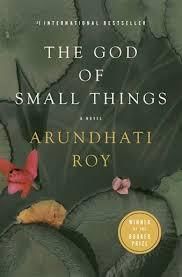
he God of Small Things is the debut novel of Indian writer Arundhati Roy. It is a story about the childhood experiences of fraternal twins whose lives are destroyed by the "Love Laws" that lay down "who should be loved, and how. And how much." The book explores how the small things affect people's behavior and their lives. It won the Booker Prize in 1997.
The God of Small Things- Summary, Themes & Characters course covering all chapters & topics, with key concepts, quick revision & practice questions. Joined by 337+ students. Start for free.
Course Options

|
View your Course Analysis |

|

|
Create your own Test |
|



Related Exams
|
|
Join course for Free
THIS COURSE INCLUDES:
 Documents
 Ratings


|
Explore Courses for Novels exam
|

|
Signup for Free!
Signup to see your scores go up within 7 days! Learn & Practice with 1000+ FREE Notes, Videos & Tests.
Course Speciality
he God of Small Things is the debut novel of Indian writer Arundhati Roy. It is a story about the childhood experiences of fraternal twins whose lives are destroyed by the "Love Laws" that lay down "who should be loved, and how. And how much." The book explores how the small things affect people's behavior and their lives. It won the Booker Prize in 1997.
The God of Small Things- Summary, Themes & Characters course covering all chapters & topics, with key concepts, quick revision & practice questions. Joined by 337+ students. Start for free.


