Chemistry Optional Notes for UPSC UPSC CSE - Notes & Study Material for UPSC CSE
Comprehensive Revision Notes for UPSC Chemistry Optional - Free PDF Download
Well-prepared revision notes are the backbone of any serious UPSC Chemistry Optional strategy. Our notes cover the entire syllabus in a concise, exam-oriented format - from atomic structure and chemical bonding to pericyclic reactions, spectroscopy, and bioinorganic chemistry. Each set of notes is designed to help you revisit key concepts quickly without losing depth or accuracy. You can download these notes as free PDFs, making it easy to study offline at your own pace.
- Structured notes on Physical Chemistry: thermodynamics, kinetics, and electrochemistry
- Inorganic Chemistry notes covering transition metals, lanthanides, actinides, and coordination theory
- Organic Chemistry notes on reaction mechanisms, named reactions, and stereochemistry
- Spectroscopy notes including IR, NMR, UV-Vis, and mass spectrometry
Atomic Structure
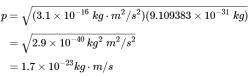
| De Broglie's Postulate & Heisenberg Uncertainty Principle 14 pages |  |
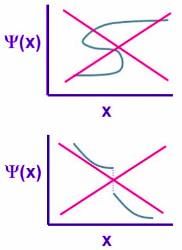
| Schrödinger Wave Equation & Wavefunction 3 pages |  |
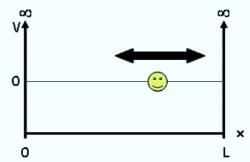
| Particle in a One-Dimensional Box 5 pages |  |
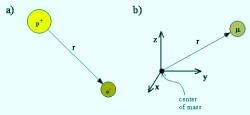
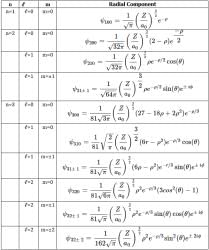
| Hydrogen Atom Wave Functions and Quantum Numbers 9 pages |  |
| Atomic Orbital Shapes: Radial and Angular Wave Functions 16 pages |  |
Chemical bonding
| Chemical Bonds and Their Types 7 pages |  |
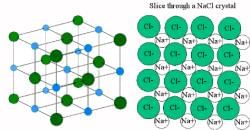
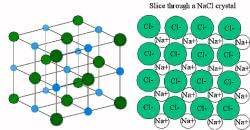
| Ionic Bonding & Characteristics of Ionic Compounds 13 pages |  |
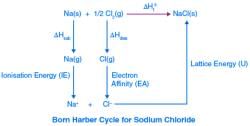
| Lattice Energy & Born-Haber cycle 5 pages |  |
| Covalent Bonding: Lewis Structure & Formal Charges 12 pages |  |
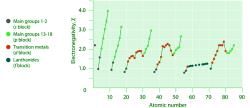
| Electronegativity and Bond Polarity 16 pages |  |
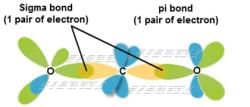
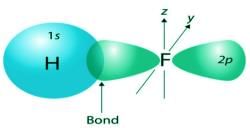
| Valence Bond Theory - Chemical Bonding 8 pages |  |
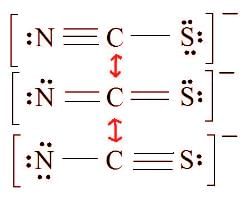
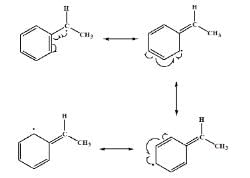
| Concept of Resonance and Delocalization of electrons 20 pages |  |
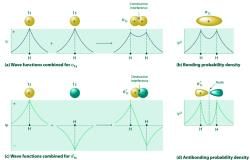
| Molecular Orbital Theory (LCAO) 39 pages |  |
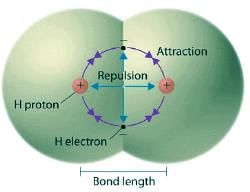
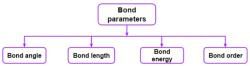
| Bond Parameters: Bond angle, Bond length, Bond order 3 pages |  |
| Comparison of Valence Bond and Molecular Orbital Theories 10 pages |  |
Solid State
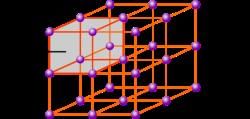
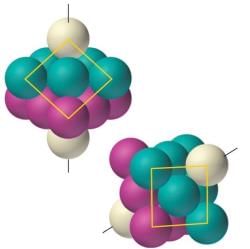
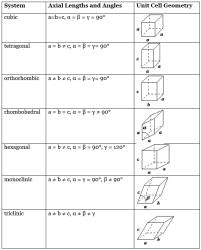
| Crystal Lattices & Unit Cells 9 pages |  |
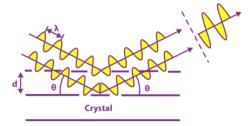
| X-Ray Diffraction and Bragg’s Law 5 pages |  |
| Close Packed Structures, Packing Efficiency & Imperfections in Solids 22 pages |  |
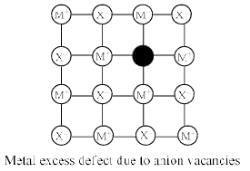
| Structure Of Ionic Compounds And Defects 11 pages |  |
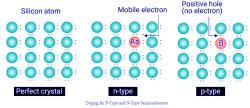
| N-type and P type Semiconductors 8 pages |  |
| Crystal Structure: Overview 26 pages |  |
Topic-wise Study Notes to Master UPSC Chemistry Optional Syllabus
The UPSC Chemistry Optional syllabus is vast, and approaching it without structured, topic-wise notes can quickly become overwhelming. Our study notes break the syllabus into manageable sections - covering everything from the kinetic molecular theory of gases and Maxwell's speed distribution to crystal field theory, organometallic chemistry, and polymer science. Each document is written with clarity and precision, ensuring that both foundational principles and advanced concepts are explained in a way that directly serves the examination. Candidates who use focused, topic-wise notes consistently report better retention and more coherent written answers.
The Gaseous State and Transport Phenomenon
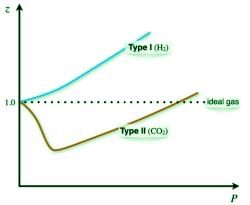
| Equation of State: Ideal and Real Gases 3 pages |  |
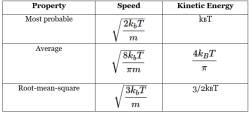
| The Kinetic Molecular Theory of Gases 10 pages |  |
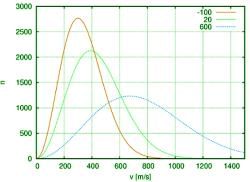
| Maxwell’s distribution of speeds 7 pages |  |
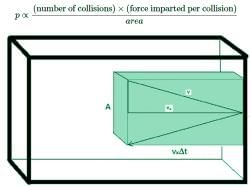
| Kinetic Energy & Collisions with the Wall 2 pages |  |
| Graham’s Law of Effusion & Intermolecular Collisions 3 pages |  |
| Thermal Conductivity of An Ideal Gas 2 pages |  |
| The viscosity of an ideal gas 11 pages |  |
| Critical Phenomena 3 pages |  |
Liquid State
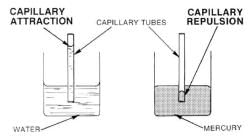
| Cohesive and Adhesive Forces 6 pages |  |
| Wetting and Contact Angles 7 pages |  |
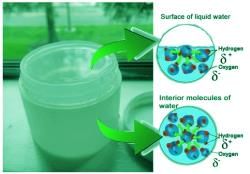
| Unusual Properties of Water 5 pages |  |
Thermodynamics
| Systems, States and Processes 11 pages |  |
| The First Law of Thermodynamics: Internal Energy, Work, and Heat 4 pages |  |
| Heat Capacity, Enthalpy, and Calorimetry 24 pages |  |
| Thermodynamic Variables and Equations of State 10 pages |  |
| The Maxwell Relations 2 pages |  |
| Enthalpy of a Reaction 8 pages |  |
| Enthalpies of Formation 13 pages |  |
| The Nature of Spontaneous Processes 7 pages |  |
| Entropy and Spontaneity - A Molecular Statistical Interpretation 17 pages |  |
| Entropy and Heat - Experimental Basis of the Second Law of Thermodynamics 2 pages |  |
| Entropy Changes in Reversible Processes 15 pages |  |
| Entropy Changes and Spontaneity 3 pages |  |
| Carnot Cycle, Efficiency and Entropy 2 pages |  |
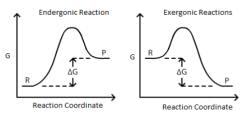
| The Gibbs Free Energy 18 pages |  |
| The Third Law of Thermodynamics 10 pages |  |
Important Concepts and Reaction Notes for UPSC Chemistry Optional Paper 2
Paper 2 of the UPSC Chemistry Optional is particularly demanding, testing your command over organic chemistry mechanisms, aromaticity, spectral analysis, and photochemistry. Our curated notes for Paper 2 highlight the most important reactions, mechanisms, and analytical techniques that frequently appear in the examination. From Woodward-Hoffmann rules and Diels-Alder reactions to NMR interpretation and named organic reactions, every major concept is covered with sufficient depth. These notes also include worked examples and summary tables that make revision faster and more effective.
Phase Equilibria and Solutions
| Prelude to Phase Equilibrium 1 page |  |
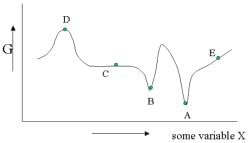
| Criterion for Phase Equilibrium 2 pages |  |
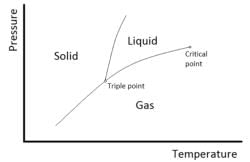
| Single Component Phase Diagrams 1 page |  |
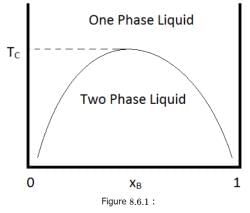
| Phase Diagrams for Binary Mixtures 3 pages |  |
| A Phase Diagram Summarizes the Solid-Liquid-Gas Behavior of a Substance 10 pages |  |
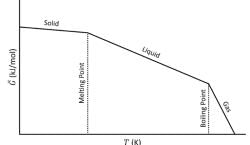
| Gibbs Energies and Phase Diagrams 5 pages |  |
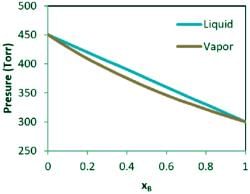
| Liquid-Vapor Systems - Raoult’s Law 1 page |  |
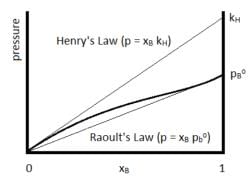
| Non-ideality - Henry's Law and Azeotropes 2 pages |  |
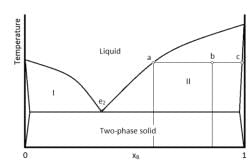
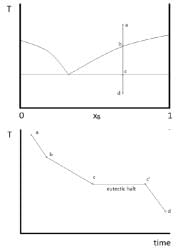
| Solid-Liquid Systems - Eutectic Points 3 pages |  |
| Partial Molar Quantities 14 pages |  |
| The Chemical Potentials of a Pure Substance in Two Phases in Equilibrium 1 page |  |
| Chemical Potential Can be Evaluated From a Partition Function 1 page |  |
| The Clausius-Clapeyron Equation 5 pages |  |
Electrochemistry
| Concentration cells 5 pages |  |
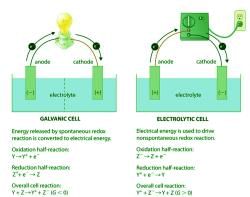
| Electrolytic Cells 6 pages |  |
| Half-Cell Reaction 4 pages |  |
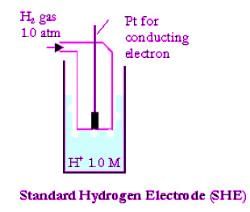
| Standard Electrodes 5 pages |  |
| Connection between Cell Potential, ∆G, and K 3 pages |  |
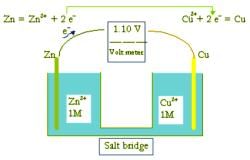
| The Cell Potential 7 pages |  |
| Gibbs Energy and Redox Reactions 9 pages |  |
| The Debye-Hückel Theory 5 pages |  |
| Extending Debye-Hückel Theory to Higher Concentrations 5 pages |  |
| Electrochemical or Activity series 11 pages |  |
| Oxidation States and Redox Reactions 7 pages |  |
| Balanced Oxidation-Reduction Equations 9 pages |  |
| Cell Potential Under Standard Conditions 23 pages |  |
| Cell Potential Under Nonstandard Conditions 11 pages |  |
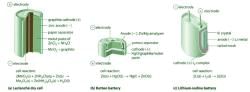
| Batteries and Fuel Cells 13 pages |  |
Chemical Kinetics
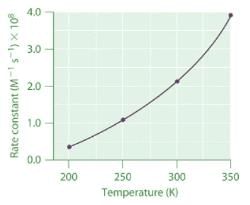
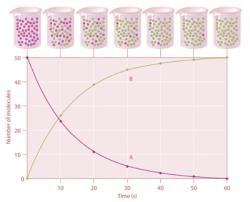
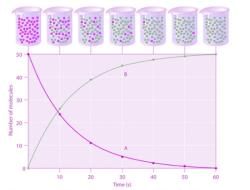
| Rate of a Chemical Reaction 9 pages |  |
| Factors that Affect Reaction Rates 4 pages |  |
| Instantaneous Rate of a Chemical Reaction 9 pages |  |
| Concentration and Rates (Differential Rate Laws) 12 pages |  |
| Integrated Rate Laws (Zeroth, First, and second order reactions) 20 pages |  |
| Temperature and Rate 14 pages |  |
| Reaction Mechanisms 8 pages |  |
| More Complex Reactions 5 pages |  |
| Theories of Reaction Rates 8 pages |  |
| Isotope Effects in Chemical Reactions 7 pages |  |
| Reactions in Solution 7 pages |  |
| Fast Reactions in Solution 7 pages |  |
Why Quality Study Notes Are Essential for UPSC Chemistry Optional Aspirants
Chemistry Optional is one of the most content-rich optional subjects in the UPSC examination, requiring candidates to understand a wide range of theoretical and applied chemistry. Relying on generic textbooks alone can make it difficult to identify what truly matters for the exam. Our notes are specifically aligned with the UPSC syllabus, filtering out irrelevant content and emphasizing high-priority areas such as thermodynamic equilibria, coordination compounds, bioinorganic chemistry, and organic synthesis. Having reliable, exam-focused notes means you spend less time searching for information and more time genuinely understanding and applying concepts.
Photochemistry
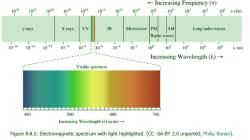
| Electromagnetic Radiation 4 pages |  |
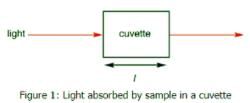
| Absorption of light & The Beer-Lambert Law 6 pages |  |
| Radio Active Decay: Fluorescence & Phosphorescence 7 pages |  |
| Photochemistry: Overview 4 pages |  |
Surface Phenomena and Catalysis
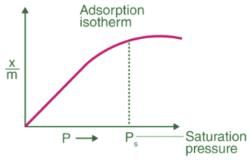
| Adsorption of gases on solids 5 pages |  |
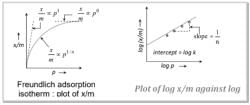
| Adsorption Isotherms: Freundlich, Langmuir, and BET 3 pages |  |
| Heterogeneous catalysis: Reactions and Mechanisms 1 page |  |
Bio-inorganic Chemistry
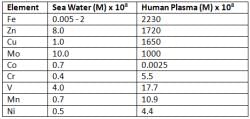
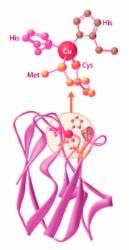
| Biological Significance of Metals 7 pages |  |
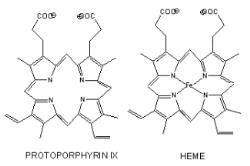
| Oxygen Transport by the Proteins Myoglobin and Hemoglobin 11 pages |  |
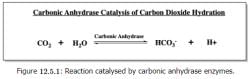
| Zinc as Lewis Acid: Carbonic Anhydrase 7 pages |  |
| Electron Transfer: Cytochromes and Ferredoxins 12 pages |  |
General Chemistry of ‘f’ Block Element
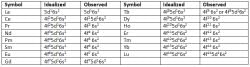
| Lanthanides: Properties and Reactions 7 pages |  |
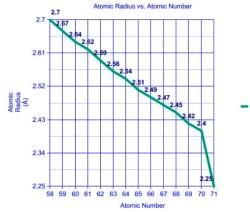
| Lanthanide Contraction 4 pages |  |
| General Properties and Reactions of The Actinides 15 pages |  |
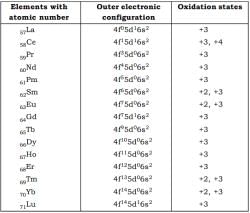
| F block: Oxidation States and their Stability 2 pages |  |
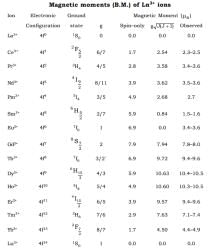
| F block: Magnetic, Spectral Properties & Separation Technologies 10 pages |  |
Main Group Chemistry
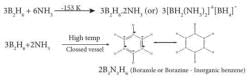
| Chemistry of Boranes 4 pages |  |
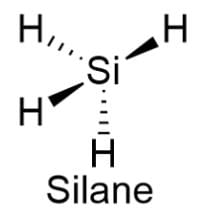
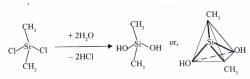
| Silanes, Silicon Halides, Silicates 4 pages |  |
| Silicones and Phosphazenes 10 pages |  |
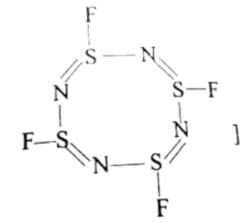
| Sulphur-Nitrogen compounds 2 pages |  |
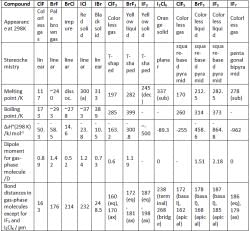
| Interhalogen compounds 10 pages |  |
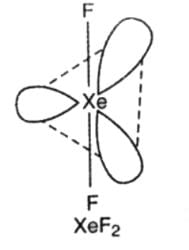
| Compounds of Xenon and uses of Noble Gases 3 pages |  |
Delocalised Covalent Bonding
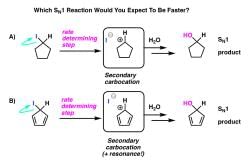
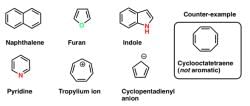
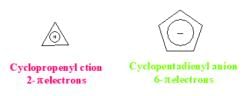
| Introduction to Aromaticity 7 pages |  |
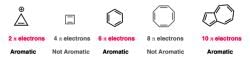
| Rules For Aromaticity 10 pages |  |
| Huckel's Rule: What Does 4n+2 Mean? 2 pages |  |
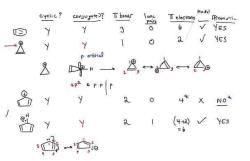
| Aromatic, Non-Aromatic, or Antiaromatic? Some Practice Problems 5 pages |  |
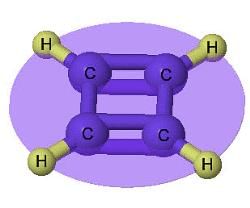
| Antiaromatic Compounds and Antiaromaticity 6 pages |  |
| Aromaticity in Annulenes 2 pages |  |
| Tropones And Tropolones 2 pages |  |
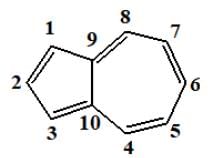
| Azulenes: Synthesis and Reactions 2 pages |  |
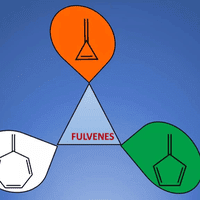
| Aromaticity of Fulvenes 6 pages |  |
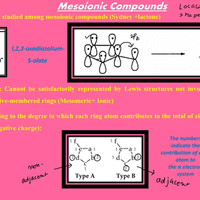
| Aromaticity of Sydnones 5 pages |  |
Reactive intermediates
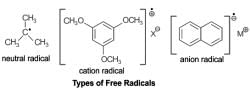
| Reaction Intermediates: Definition, Examples 8 pages |  |
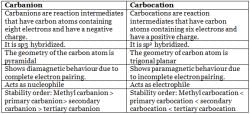
| Generation, Structure, Stability and Reactivity of Carbanions 15 pages |  |
| Reactive Intermediates Carbocation 22 pages |  |
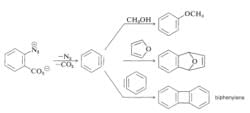
| Carbenes and Nitrenes: Structure, Generation and Reactivity 29 pages |  |
| Reaction Intermediates: Complete Overview 20 pages |  |
Substitution reactions
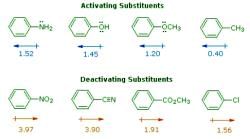
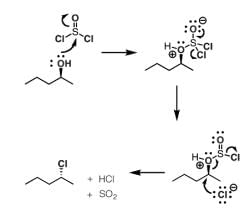
| The Discovery of Nucleophilic Substitution Reactions 3 pages |  |
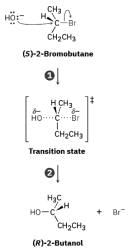
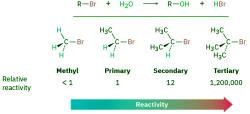
| The SN2 Reaction & Characteristics of the SN2 Reaction 11 pages |  |
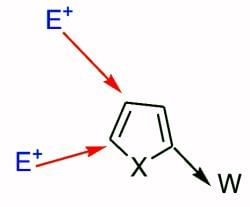
| Pyrrole, Furan and Thiophene Electrophilic Substitution Reactions 26 pages |  |
| Pyrrole, Furan and Thiophene Nucleophilic Substitution Reactions 2 pages |  |
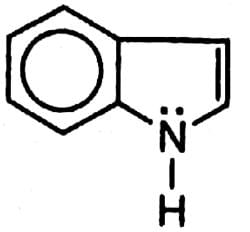
| Preparation and Properties of Indole 2 pages |  |
| Introduction to Neighboring Group Participation, Rearrangements, and Fragmentations 5 pages |  |
| The SN1 Reaction & Characteristics of the SN1 Reaction 9 pages |  |
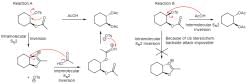
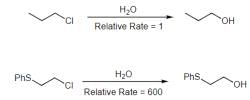
| Neighboring Group Participation 5 pages |  |
| Electrophilic Aromatic Substitution Reactions - Bromination 3 pages |  |
| Other Aromatic Substitutions 4 pages |  |
| Alkylation and Acylation of Aromatic Rings - The Friedel-Crafts Reaction 3 pages |  |
| Substituent Effects in Substituted Aromatic Rings 2 pages |  |
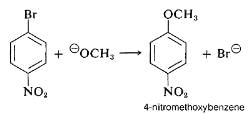
| Nucleophilic Aromatic Substitution 3 pages |  |
| Oxidation and Reduction of Aromatic Compounds 5 pages |  |
Elimination reactions
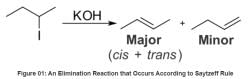
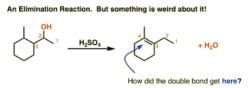
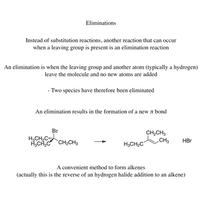
| Elimination Reactions and The Zaitsev Rule 8 pages |  |
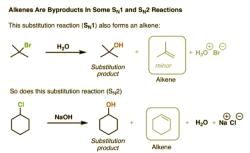
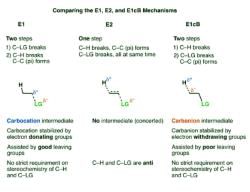
| E1, E2 Reactions & their Comparison 8 pages |  |
| Difference Between Saytzeff and Hofmann Rule 5 pages |  |
| E1cb Reaction and mechanism 7 pages |  |
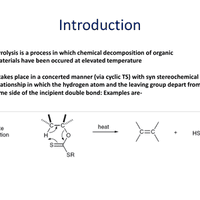
| Syn Elimination Rxns: Pyrolysis of Esters & Cope Elimination 11 pages |  |
| E1 Rxn Rearrangements & SN1 E1 Comparison 4 pages |  |
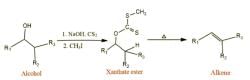
| Chugaev Reaction and Mechanism 1 page |  |
| Revision: All about Elimination Reactions 40 pages |  |
Reactions and Rearrangements
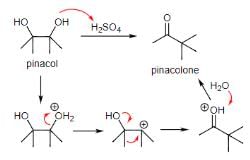
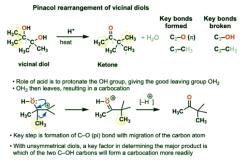
| Pinacol Rearrangement 3 pages |  |
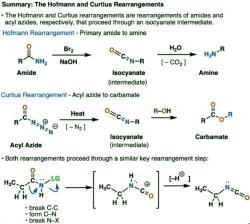
| The Hofmann and Curtius Rearrangements 8 pages |  |
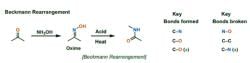
| Beckmann Rearrangement 2 pages |  |
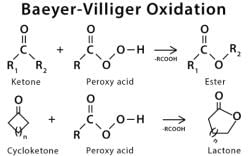
| Baeyer-Villiger Oxidation & Rearrangement 1 page |  |
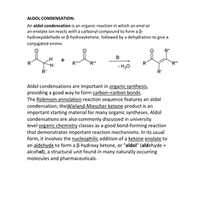
| Aldol, Cannizzaro, Benzoin, Perkin, Knoevenagel, Reformatsky & Wittig Reactions 17 pages |  |
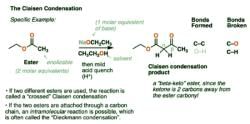
| Claisen Condensation and Dieckmann Condensation 9 pages |  |
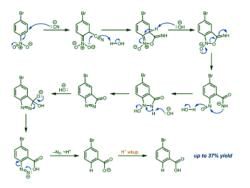
| Von Richter reaction 1 page |  |
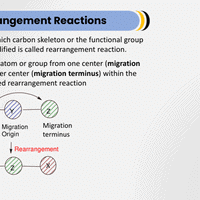
| Rearrangement Rxns: Wagner–Meerwein, Favorskii, Claisen, Cope 114 pages |  |
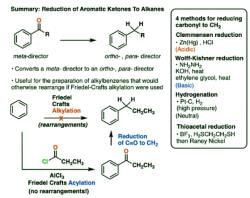
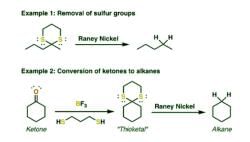
| The Wolff-Kishner, Clemmensen, And Other Carbonyl Reductions 5 pages |  |
| Benzoin Condensation and Stobbe Condensation 9 pages |  |
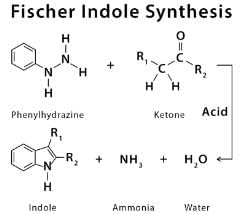
| Fischer indole synthesis 1 page |  |
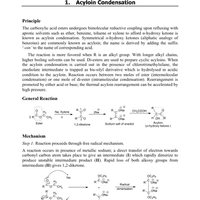
| Acyloin condensations 2 pages |  |
| Bischler Napieralski 4 pages |  |
| Sandmeyer, Reimer-Tiemann and Reformatsky reactions 1 page |  |
| Reformatsky reactions 1 page |  |
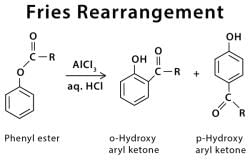
| Fries Rearrangement 1 page |  |
Pericyclic reactions
| Pericyclic Reactions: Classification and Examples 8 pages |  |
| Woodward-Hoffmann rules: Electrocyclic reactions 10 pages |  |
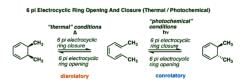
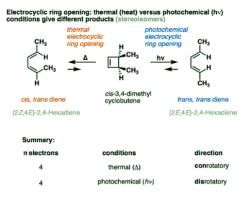
| Electrocyclic Ring Opening And Closure 9 pages |  |
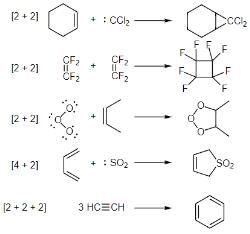
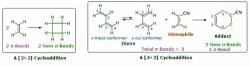
| Cycloaddition Reactions [2 + 2 and 4 + 2] 8 pages |  |
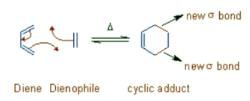
| Diels-Alder Cycloaddition Rxn & its Stereochemistry 7 pages |  |
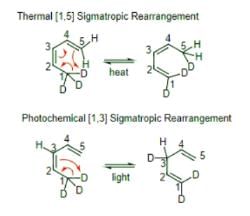
| Sigmatropic Rearrangements: Cope, Oxy-Cope & Claisen 8 pages |  |
Synthetic Uses of Reagents
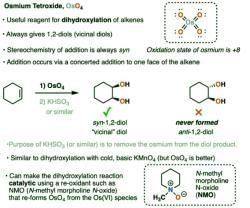
| OsO4 (Osmium Tetroxide) for Dihydroxylation of Alkenes 5 pages |  |
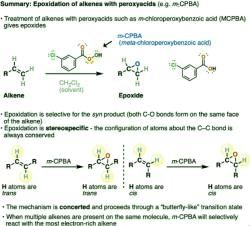
| M-CPBA (meta-chloroperoxybenzoic acid) 7 pages |  |
| Oxidation of Alcohols: CrO3, PCC, DMP 6 pages |  |
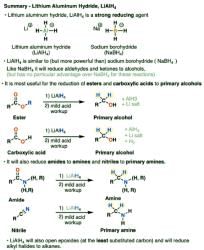
| Lithium Aluminum Hydride (LiAlH4) For Reduction of Carboxylic Acid Derivatives 7 pages |  |
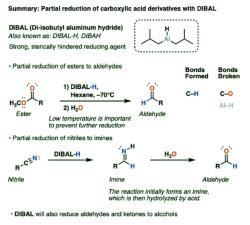
| Di-isobutyl Aluminum Hydride (DIBAL) 3 pages |  |
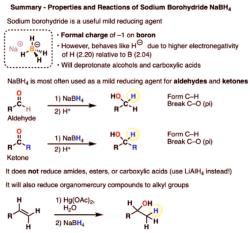
| Sodium Borohydride (NaBH4 ) 5 pages |  |
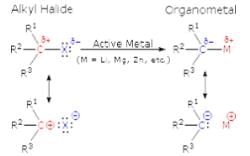
| Grignard and Organolithium Reagents 3 pages |  |
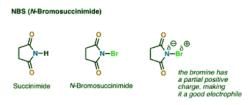
| NBS (N-Bromo Succinimide) 2 pages |  |
| Glycol cleavage: HlO4, Pb(OAc)4 2 pages |  |
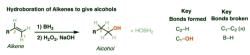
| Hydroboration of Alkenes 2 pages |  |
Photochemistry
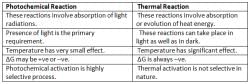
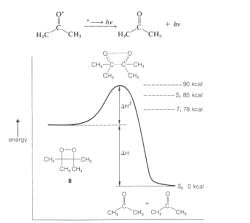
| Photochemical reactions of simple organic compounds 13 pages |  |
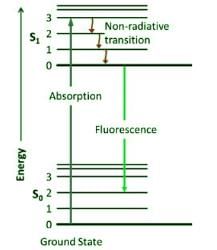
| Light Absorption, Flourescence, and Phosphorescence 8 pages |  |
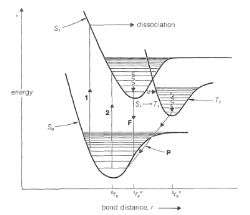
| Jablonski diagram 8 pages |  |
| Chemiluminescence 4 pages |  |
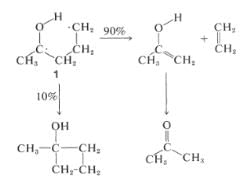
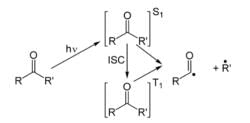
| Norrish-Type I and Type II reactions 2 pages |  |
How to Prepare for Chemistry Optional?
| UPSC Optional Subject Syllabus: Chemistry 4 pages |  |
2025
| Chemistry Optional Paper 1 - 2025 20 pages |  |
| Chemistry Optional Paper 2 - 2025 16 pages |  |
2024
| Chemistry Optional Paper 1 - 2024 16 pages |  |
| Chemistry Optional Paper 2 - 2024 20 pages |  |
2023
| Chemistry Optional Paper 1 - 2023 12 pages |  |
| Chemistry Optional Paper 2 - 2023 16 pages |  |
2022
| Chemistry Optional Paper 1 - 2022 11 pages |  |
| Chemistry Optional Paper 2 - 2022 15 pages |  |
2021
| Chemistry Optional Paper 1 - 2021 8 pages |  |
| Chemistry Optional Paper 2 - 2021 11 pages |  |
2020
| Chemistry Optional Paper 2 - 2020 12 pages |  |
| Chemistry Optional Paper 1 - 2020 8 pages |  |
2019
| Chemistry Optional Paper 2 - 2019 10 pages |  |
| Chemistry Optional Paper 1 - 2019 7 pages |  |
2018
| Chemistry Optional Paper 1 - 2018 12 pages |  |
| Chemistry Optional Paper 2 - 2018 11 pages |  |
Electrophilic addition to Alkenes & Alkynes
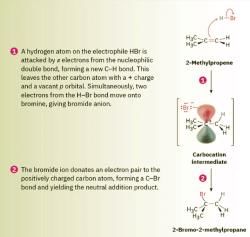
| Electrophilic Addition Reactions of Alkenes 2 pages |  |
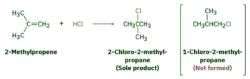
| Orientation of Electrophilic Additions - Markovnikov's Rule 3 pages |  |
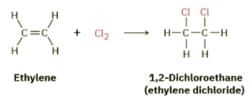
| Halogenation of Alkenes - Addition of X₂ 2 pages |  |
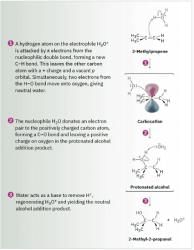
| Hydration of Alkenes - Addition of H₂O by Oxymercuration 3 pages |  |
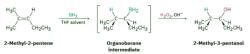
| Hydration of Alkenes - Addition of H₂O by Hydroboration 3 pages |  |
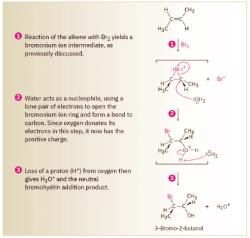
| Halohydrins from Alkenes - Addition of HO-X 1 page |  |
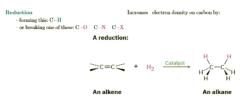
| Reduction of Alkenes - Hydrogenation 3 pages |  |
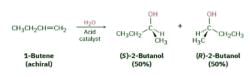
| Stereochemistry of Reactions - Addition of H₂O to an Achiral and Chiral Alkenes 4 pages |  |
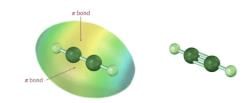
| Reactions of Alkynes - Addition of HX and X₂ 2 pages |  |
| Hydration of Alkynes 2 pages |  |
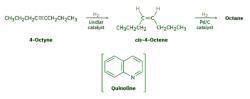
| Reduction of Alkynes 2 pages |  |
Aldehydes and Ketones- Nucleophilic Addition Reactions
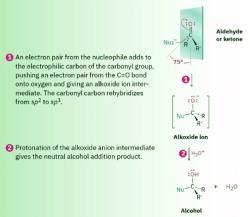
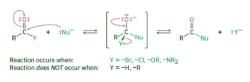
| Nucleophilic Addition Reactions of Aldehydes and Ketones 2 pages |  |
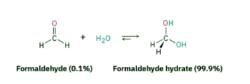
| Nucleophilic Addition of Water - Hydration 2 pages |  |
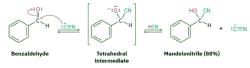
| Nucleophilic Addition of HCN- Cyanohydrin Formation 1 page |  |
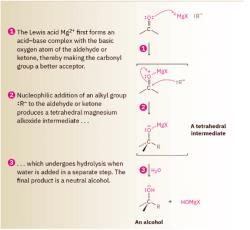
| Nucleophilic Addition of Hydride and Grignard Reagents- Alcohol Formation 1 page |  |
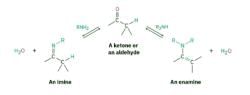
| Nucleophilic Addition of Amines- Imine and Enamine Formation 3 pages |  |
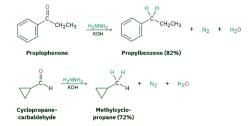
| Nucleophilic Addition of Hydrazine - The Wolff-Kishner Reaction 1 page |  |
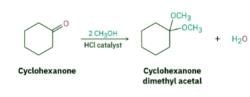
| Nucleophilic Addition of Alcohols- Acetal Formation 3 pages |  |
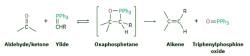
| Nucleophilic Addition of Phosphorus Ylides- The Wittig Reaction 2 pages |  |
| Biological Reductions 1 page |  |
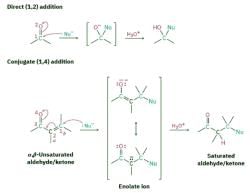
| Conjugate Nucleophilic Addition to α,β‑Unsaturated Aldehydes and Ketones 3 pages |  |
Polymers
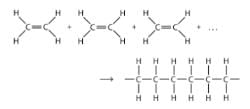
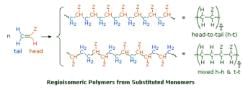
| Polymers and Polymerization Reactions 8 pages |  |
| Ziegler–Natta Catalysts and Polymer Stereochemistry 2 pages |  |
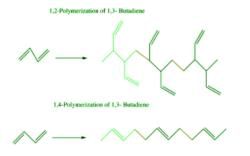
| Natural and Synthetic Rubbers 4 pages |  |
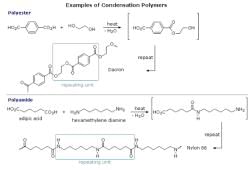
| Step-Growth Polymers—Condensation Polymers 6 pages |  |
| Molecular Weights of Polymers 27 pages |  |
Biopolymers
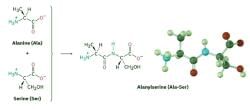
| Structures of Amino Acids 3 pages |  |
| Amino Acids, the Henderson-Hasselbalch Equation, and Isoelectric Points 4 pages |  |
| Synthesis of Amino Acids 2 pages |  |
| Peptides and Proteins 1 page |  |
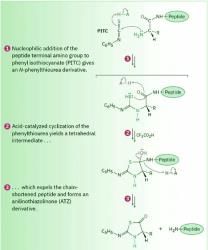
| Peptide Sequencing- The Edman Degradation 2 pages |  |
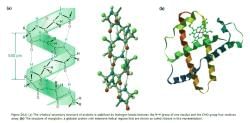
| Protein Structure 3 pages |  |
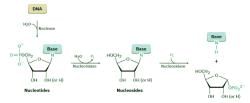
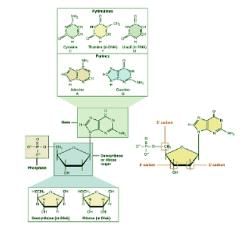
| Nucleotides and Nucleic Acids 1 page |  |
Bonding in Transition Metal Compounds and Coordination Complexes
| Chemistry of Transition Metals & Bonding in Molecules 17 pages |  |
| Optical Properties and the Spectrochemical Series 8 pages |  |
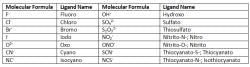
| Introduction to Coordination Chemistry & Types of Ligands 9 pages |  |
| IUPAC Nomenclature of Coordination Complexes 6 pages |  |
| Structures & Isomerism in Coordination Complexes 19 pages |  |
| VBT, CFT & LFT Theories - 1 28 pages |  |
| VBT, CFT & LFT Theories - 2 25 pages |  |
| VBT, CFT & LFT Theories - 3 24 pages |  |
| Crystal Field Theory: Optical and Magnetic Properties 16 pages |  |
| Chelating Ligands and the Chelate Effect 13 pages |  |
Coordination Chemistry-Reactions and Mechanisms
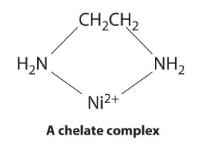
| Thermodynamic Stability of Metal Complexes 5 pages |  |
| Trends in Kinetic Lability 8 pages |  |
| Ligand Substitution Mechanisms 7 pages |  |
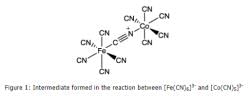
| Electron Transfer Reactions 17 pages |  |
Organometallic Chemistry
| Organometallic Ligands 22 pages |  |
| The 18 Electron Rule 14 pages |  |
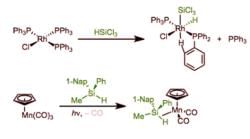
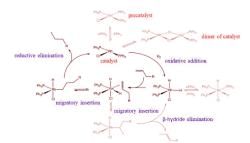
| Oxidative Addition 3 pages |  |
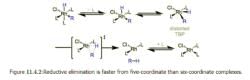
| Reductive Elimination 2 pages |  |
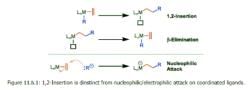
| Migratory Insertion- 1,2-Insertions 4 pages |  |
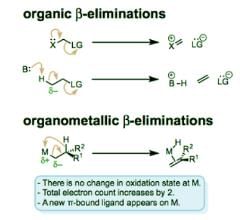
| Β-Elimination Reactions 6 pages |  |
| Organometallic Catalysts 9 pages |  |
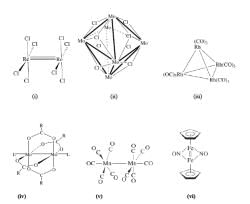
| Metal π-Complexes and Metal Clusters 7 pages |  |
Rotational Spectroscopy
| Introduction to Spectroscopy 1 page |  |
| Microwave Rotational Spectroscopy 10 pages |  |
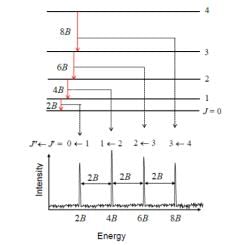
| Rotational Spectroscopy of Diatomic Molecules 6 pages |  |
| Rotation of Linear Molecules 2 pages |  |
| Rovibrational Spectroscopy 9 pages |  |
Vibrational Spectroscopy
| Combination Bands, Overtones and Fermi Resonances 10 pages |  |
| Introduction to Vibrations 6 pages |  |
| Isotope Effects in Vibrational Spectroscopy 6 pages |  |
| Infrared Spectroscopy 1 page |  |
| Interpreting Infrared Spectra 3 pages |  |
| Infrared Spectra of Some Common Functional Groups 5 pages |  |
Nuclear Magnetic Resonance (1H NMR)
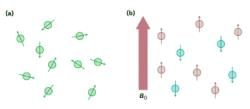
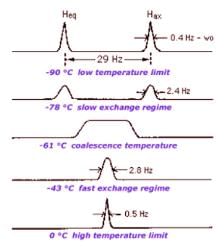
| Nuclear Magnetic Resonance Spectroscopy 3 pages |  |
| The Nature of NMR Absorptions 4 pages |  |
| Chemical Shifts in ¹H NMR Spectroscopy 1 page |  |
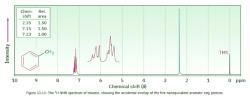
| Integration of ¹H NMR Absorptions- Proton Counting 1 page |  |
| Spin-Spin Splitting in ¹H NMR Spectra 6 pages |  |
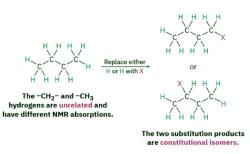
| ¹H NMR Spectroscopy and Proton Equivalence 2 pages |  |
| More Complex Spin-Spin Splitting Patterns 2 pages |  |
Electronic Spectroscopy
| Electronic Spectroscopy - Interpretation 17 pages |  |
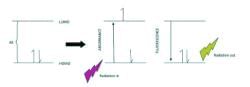
| Fluorescence and Phosphorescence 19 pages |  |
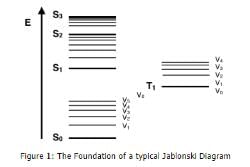
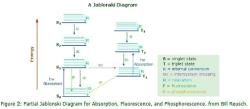
| Jablonski diagram 8 pages |  |
| Metal to Ligand and Ligand to Metal Charge Transfer Bands 10 pages |  |
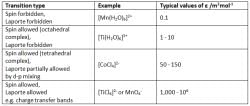
| Selection Rules for Electronic Spectra of Transition Metal Complexes 1 page |  |
Visible & Ultraviolet Spectroscopy
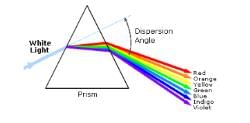
| Visible and Ultraviolet Spectroscopy 10 pages |  |
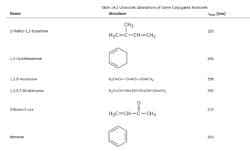
| Interpreting Ultraviolet Spectra- The Effect of Conjugation 1 page |  |
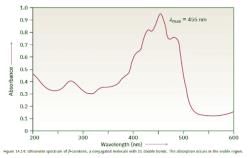
| Conjugation, Color, and the Chemistry of Vision 2 pages |  |
| Woodward-Fieser Rules: Conjugated Dienes and Polyenes 5 pages |  |
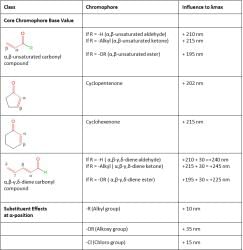
| Woodward-Fieser Rules: Conjugated Carbonyl Compounds 3 pages |  |
Mass Spectrometry
| Mass Spectrometry of Small Molecules - Magnetic-Sector Instruments 3 pages |  |
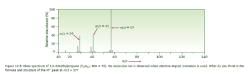
| Interpreting Mass Spectra 5 pages |  |
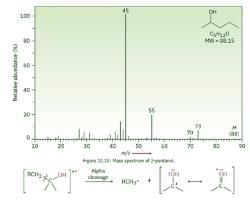
| Mass Spectrometry of Some Common Functional Groups 4 pages |  |
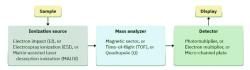
| Mass Spectrometry in Biological - Time-of-flight (TOF) Instruments 1 page |  |